BIOGRAPHY
The Story
Alpharita Constantia Anderson was born on July 25, 1946, in Cuba and was raised largely in Kingston, Jamaica. Kingston—not celebrity or marriage—was the environment that formed her as a singer. By the mid-1960s she was already pursuing music professionally, placing the beginning of her career before the later international history of Bob Marley & The Wailers.
In 1964 Rita joined with Marlene “Precious” Gifford and Constantine “Dream” Walker in the Soulettes. The group entered the Studio One orbit of producer Clement “Coxsone” Dodd, where Rita encountered the young Wailers as fellow working singers. Bob Marley helped coach the Soulettes, and the relationship between Bob and Rita developed inside that shared Jamaican recording environment.
The Soulettes chapter matters because it establishes Rita as a recording artist in her own right. Her 1960s group and solo recordings belong to the singles-driven Jamaican industry of the period and should not be treated as an appendix to Bob Marley’s career. The Vault therefore separates Soulettes recordings, Rita’s solo recordings and later I-Threes performances rather than merging them under one artist credit.
Rita and Bob Marley married in 1966. Their family and musical lives became deeply intertwined, but Rita continued to participate in recording. The independent Wailers environment around Wail’N Soul’M also linked the Wailers and Soulettes musical circles before the I-Threes existed.
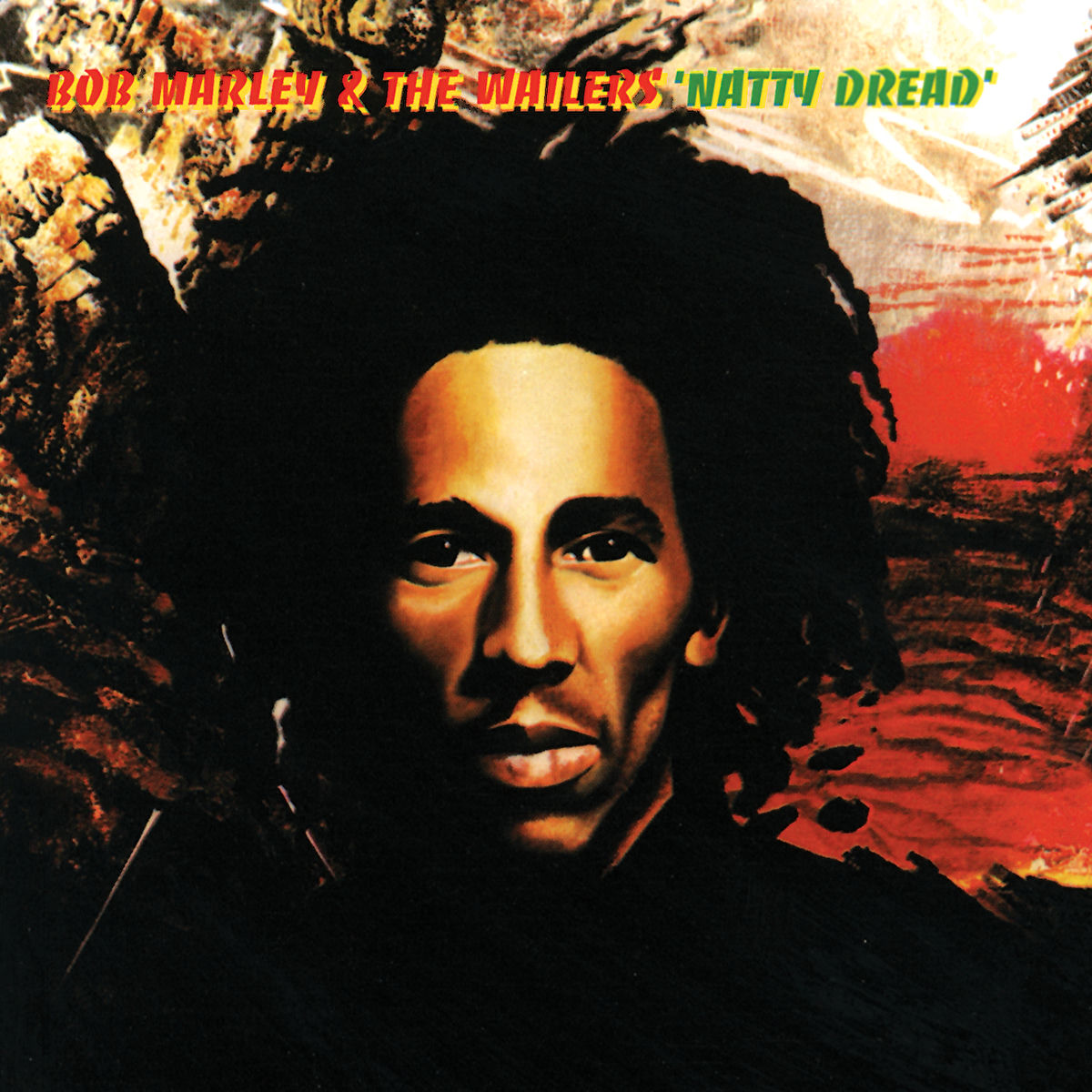
After Peter Tosh and Bunny Wailer left the original touring configuration, Rita joined Marcia Griffiths and Judy Mowatt as the I-Threes. From the Natty Dread period onward, the trio’s harmonies became a defining element of Bob Marley & The Wailers in the studio and onstage. The I-Threes were a recognizable vocal unit, not simply three anonymous backing singers.
Rita was present at 56 Hope Road when gunmen attacked the Marley residence on December 3, 1976, during preparations for the Smile Jamaica concert. She was wounded in the attack. The event belongs to Rita’s biography as well as Bob’s; the Vault treats it as one historical event connected to multiple people rather than retelling it only from the perspective of the most famous participant.
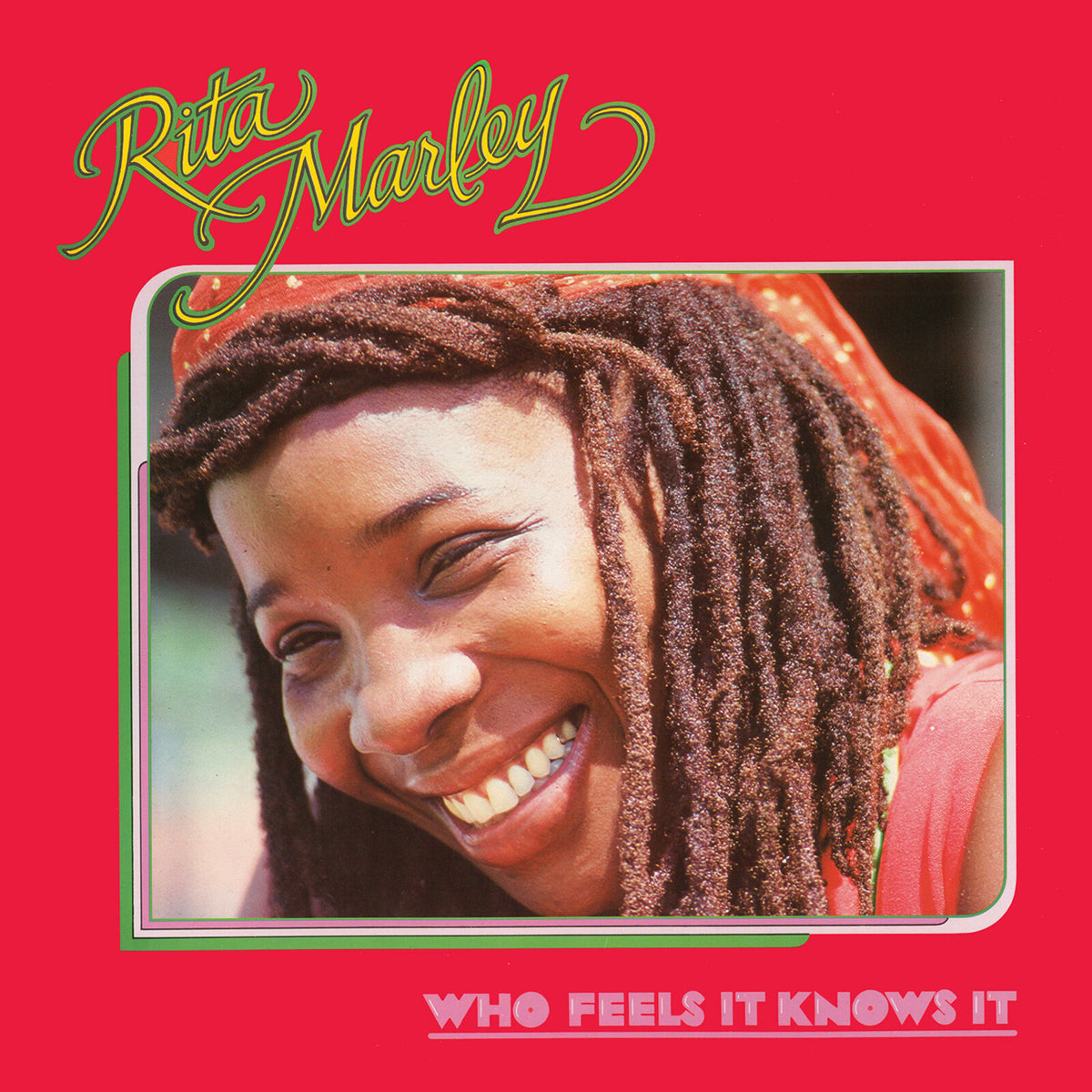
As the I-Threes travelled internationally with Bob Marley & The Wailers, Rita retained an individual musical identity. Her solo catalogue came increasingly into focus around Who Feels It Knows It, whose songs include “One Draw,” one of her signature recordings. The album demonstrates why Rita’s page cannot end with the I-Threes.
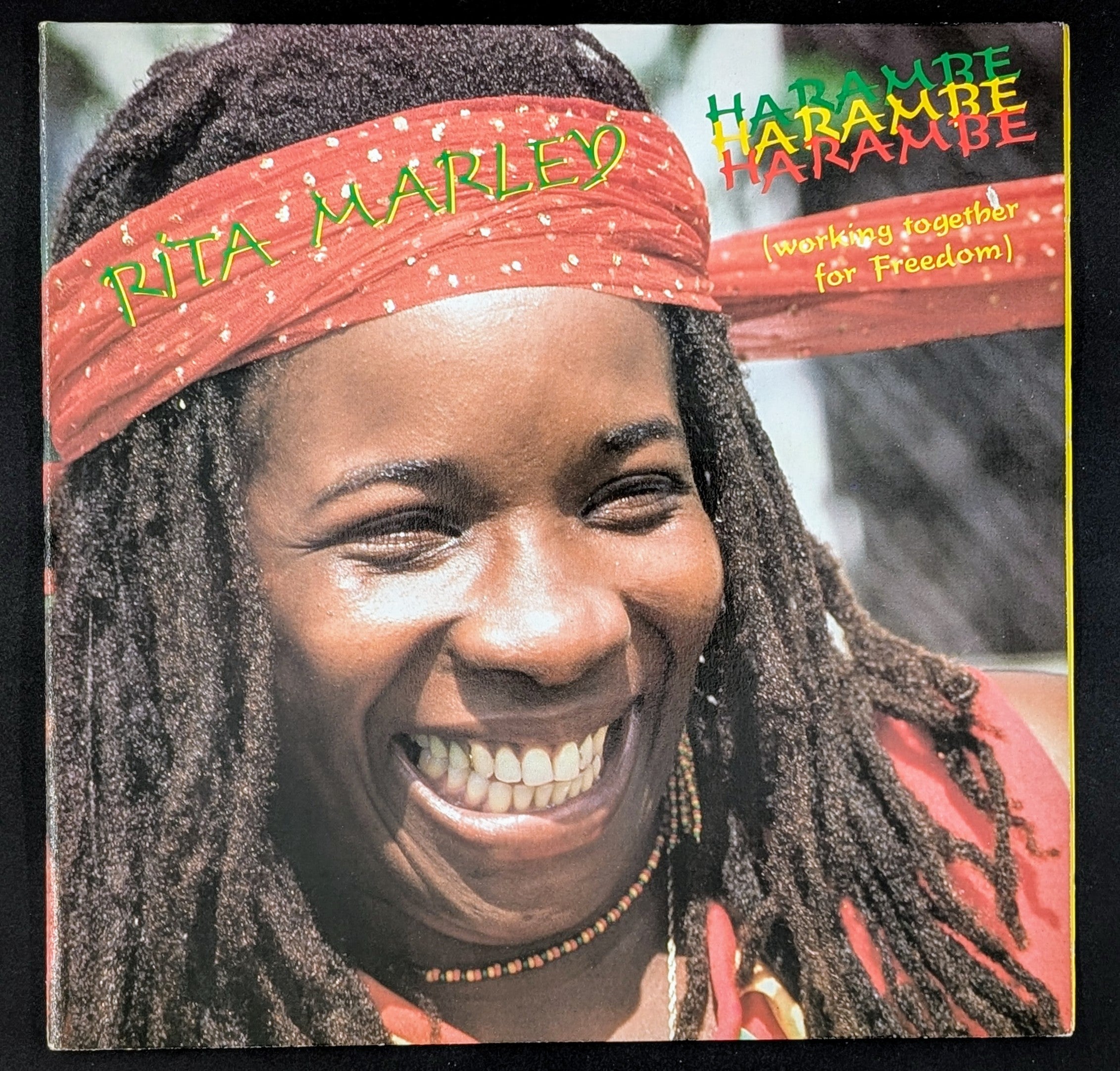
Harambe followed in 1982 and made Pan-African identity especially visible in her solo work. The title invokes collective effort, and the album forms part of a longer trajectory connecting Rita’s music, Rastafari, African identity and her later relationship with Ghana.
Bob Marley’s death in 1981 changed Rita’s life but did not end her work as an artist. She continued recording and performing while also becoming increasingly involved in preserving the Marley musical legacy. These roles should remain distinct: Rita the recording artist, Rita the I-Three, Rita the Marley-family cultural figure and Rita the philanthropist overlap, but they are not the same thing.
Her humanitarian and cultural work eventually extended strongly into Africa. Ghana became an important part of her later life, and the Ghanaian government granted her honorary citizenship in 2013. Through the Rita Marley Foundation and related work, her public role expanded beyond music into education, community support and cultural preservation.
Jamaica recognized Rita with the Order of Distinction in 1996, while later honors included Caribbean Hall of Fame induction, an honorary Doctor of Letters from the University of the West Indies and elevation to the Order of Jamaica. Those honors reflect both her musical contribution and the humanitarian work that became an increasingly visible part of her later public life.