BIOGRAPHY
The Story
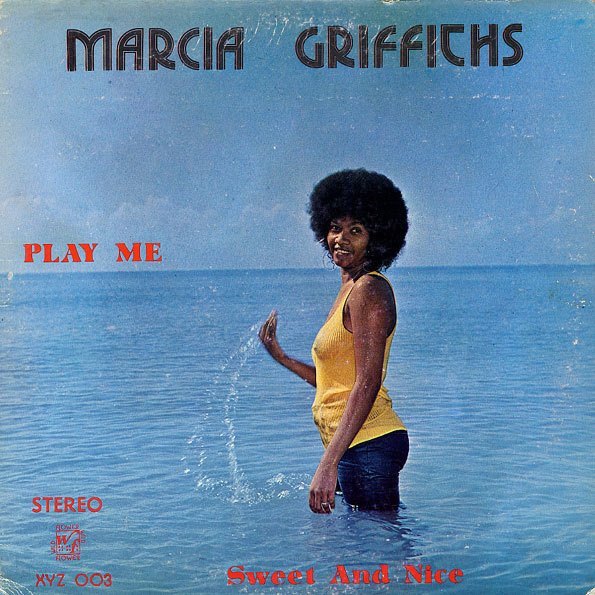
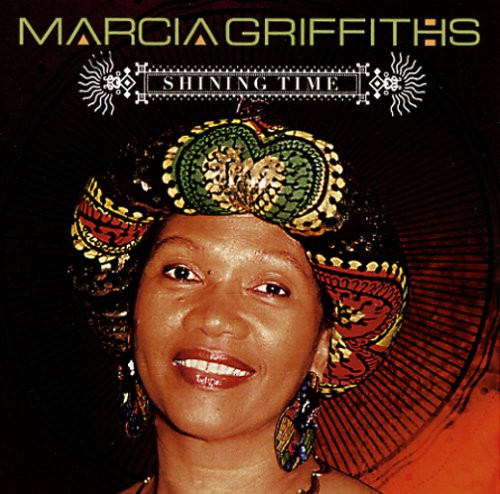
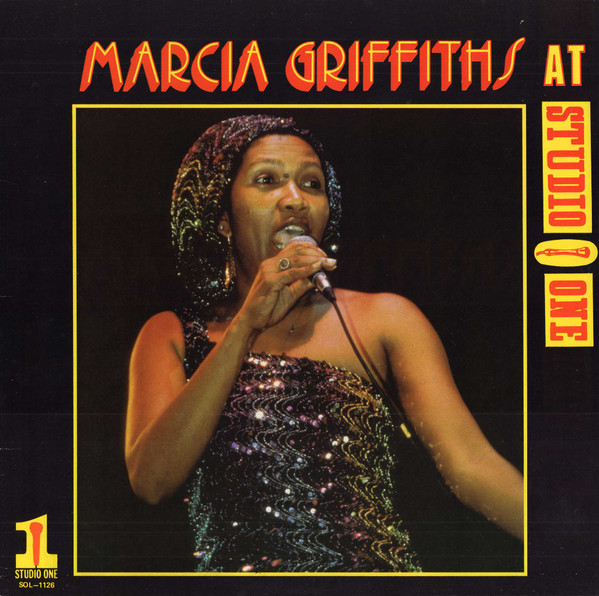
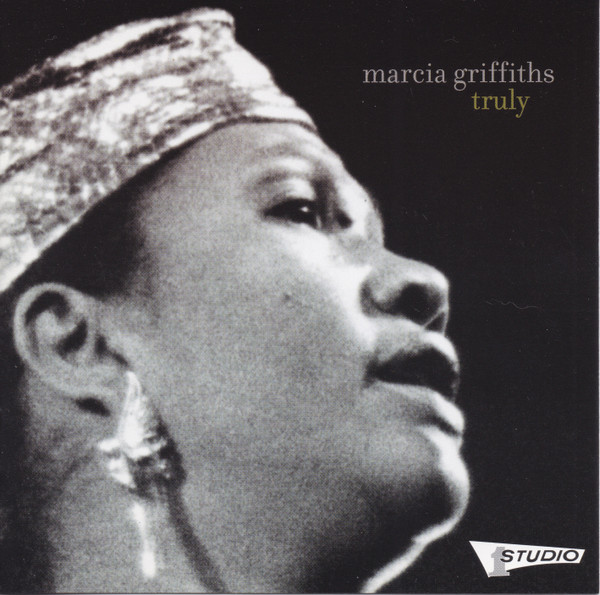
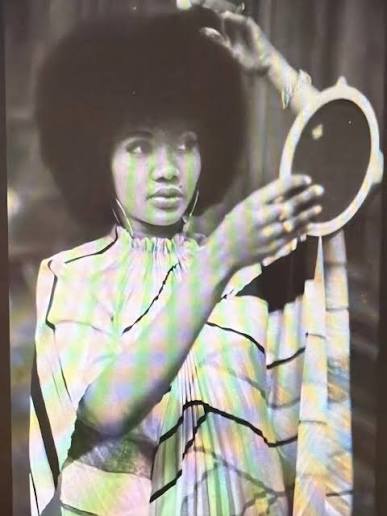
Marcia Griffiths grew up in West Kingston and entered professional music in the mid-1960s. As a teenager she entered Clement “Coxsone” Dodd’s Studio One orbit, where singers, writers and musicians were helping transform ska and rocksteady into reggae. Her first recording for Dodd, “Wall of Love,” was not released, but it began a relationship with the studio that defined her earliest recorded work.
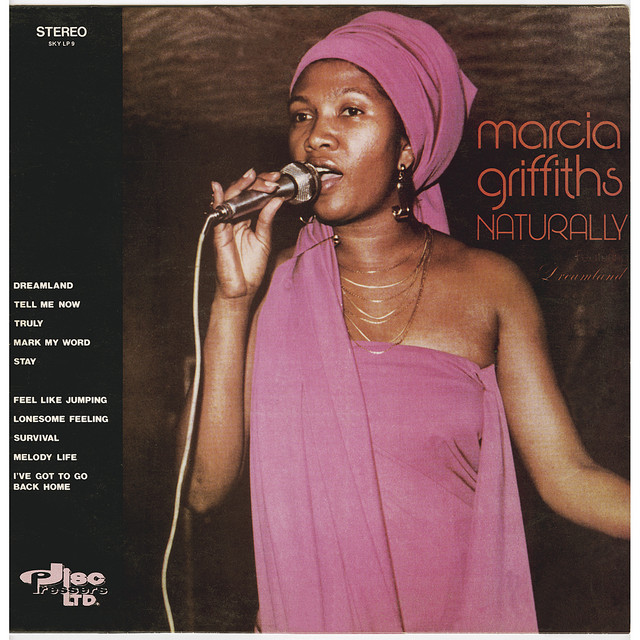
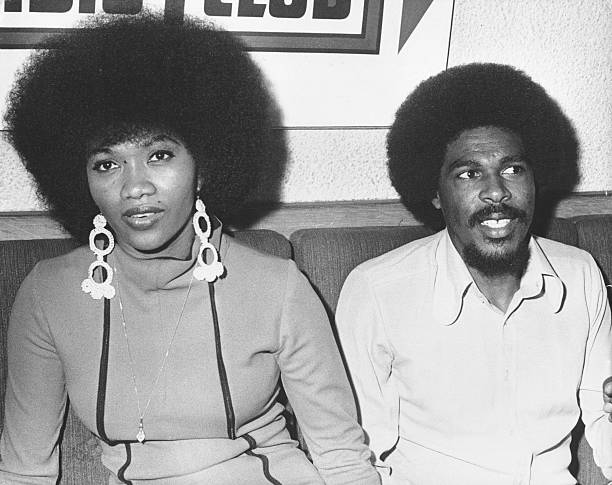
At Studio One, Griffiths developed an important creative relationship with Bob Andy. Andy wrote “Feel Like Jumping,” Jackie Mittoo arranged it and Dodd produced it; the song became one of Griffiths’ defining early recordings. Andy continued to write for her, and their partnership eventually developed into the duo Bob & Marcia.
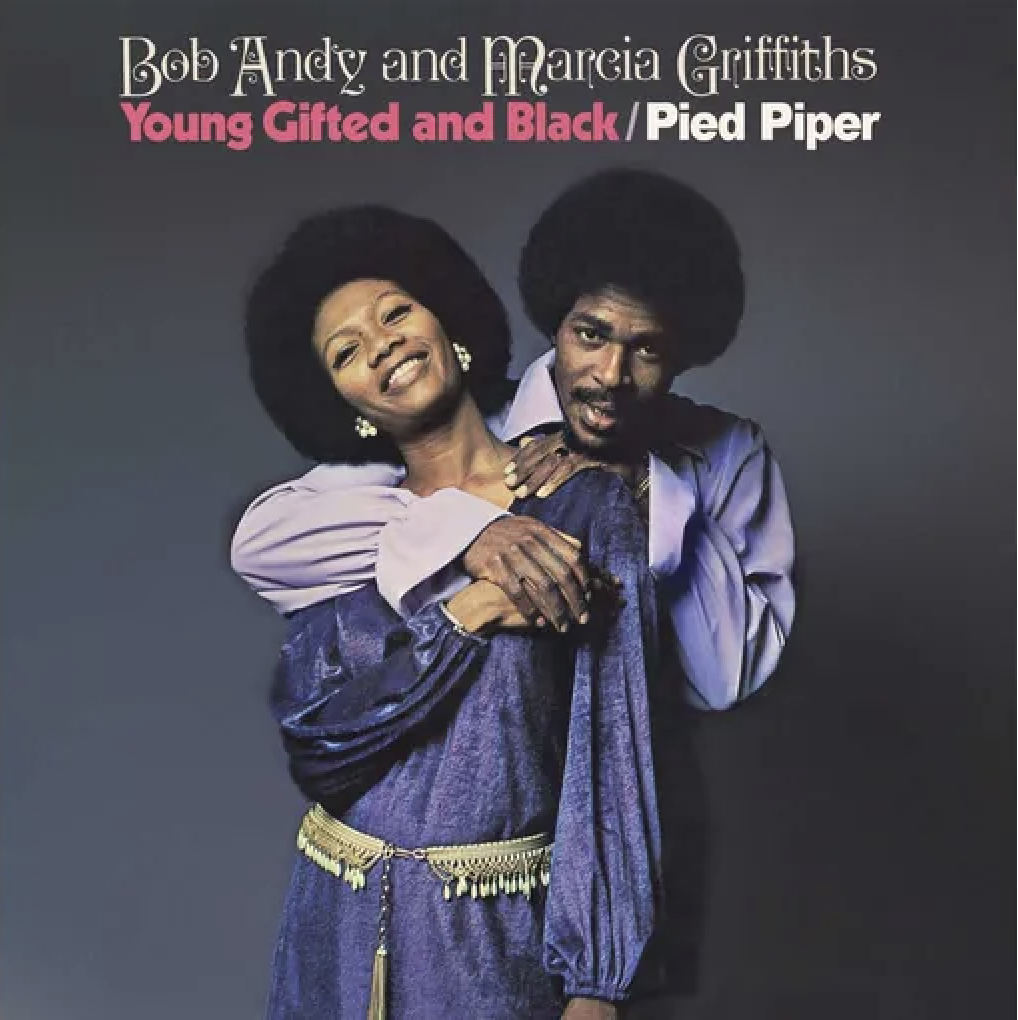
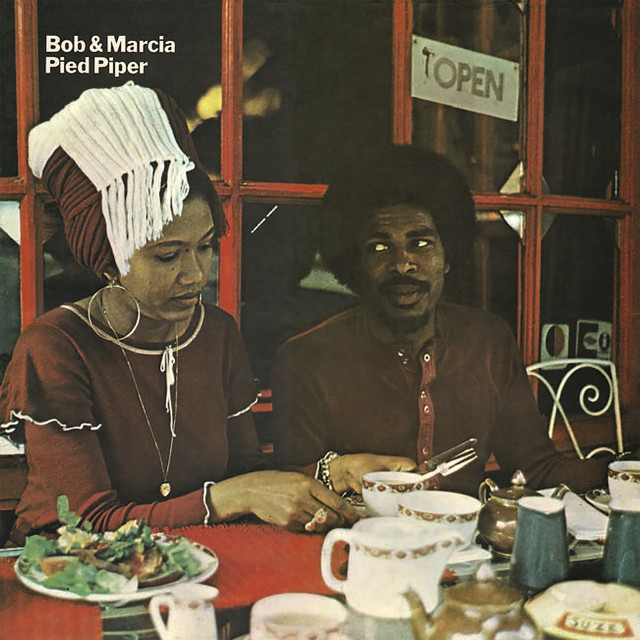
Bob & Marcia became a major career chapter in its own right. Their recording of “Young, Gifted and Black” broke internationally and led to British television appearances and touring. The duo did not replace Griffiths’ solo identity: her independent recordings continued alongside their partnership.
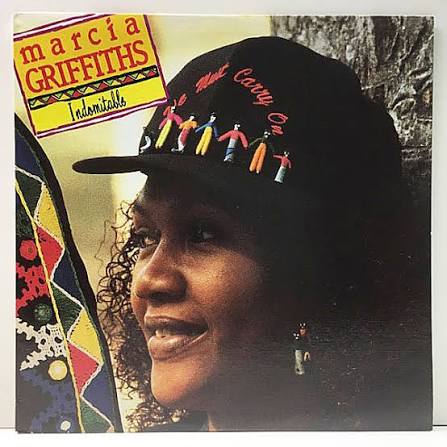
In the 1970s Griffiths joined Rita Marley and Judy Mowatt as the I-Threes. Their harmonies became central to Bob Marley & The Wailers after Peter Tosh and Bunny Wailer left the original group. Griffiths recorded and toured internationally through the Natty Dread, Rastaman Vibration, Exodus, Kaya, Survival and Uprising years while continuing to make records under her own name.
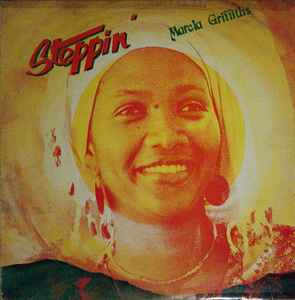
Producer Sonia Pottinger gave Griffiths another important independent chapter. Naturally and Steppin’ demonstrated that she remained an active solo artist during the I-Threes period and connected her catalogue to Pottinger’s High Note operation.
In the 1980s Griffiths recorded Bunny Wailer’s “Electric Boogie.” A later remix and the popularity of the Electric Slide gave the recording an extraordinary second life internationally. The song links Bunny Wailer’s writing history with Griffiths’ solo career while remaining one of her most recognizable recordings.
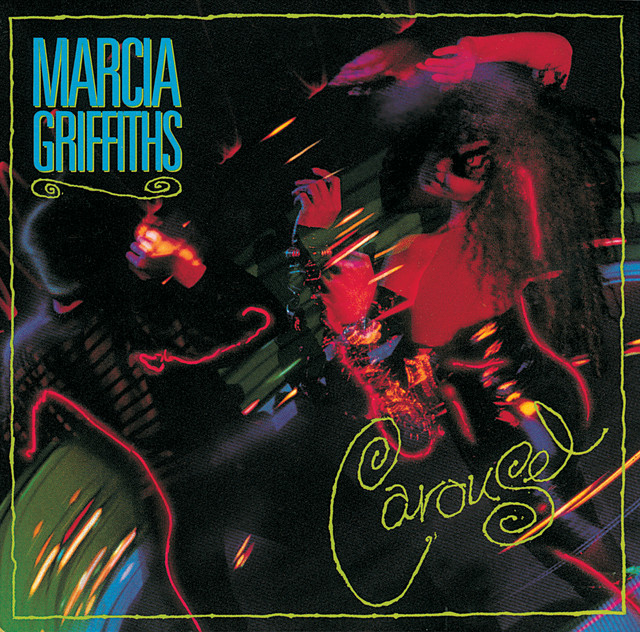
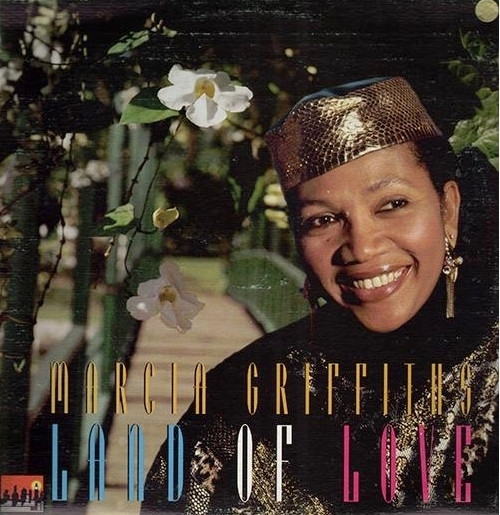
Griffiths later worked with Donovan Germain and Penthouse Records, reaching younger reggae audiences while continuing to tour and record. Across later albums she moved through roots reggae, lovers rock and contemporary Jamaican production without losing the vocal identity established at Studio One.
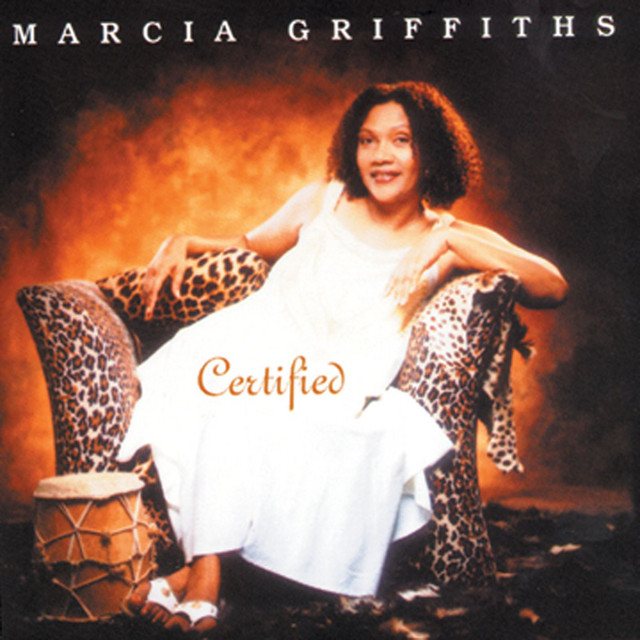
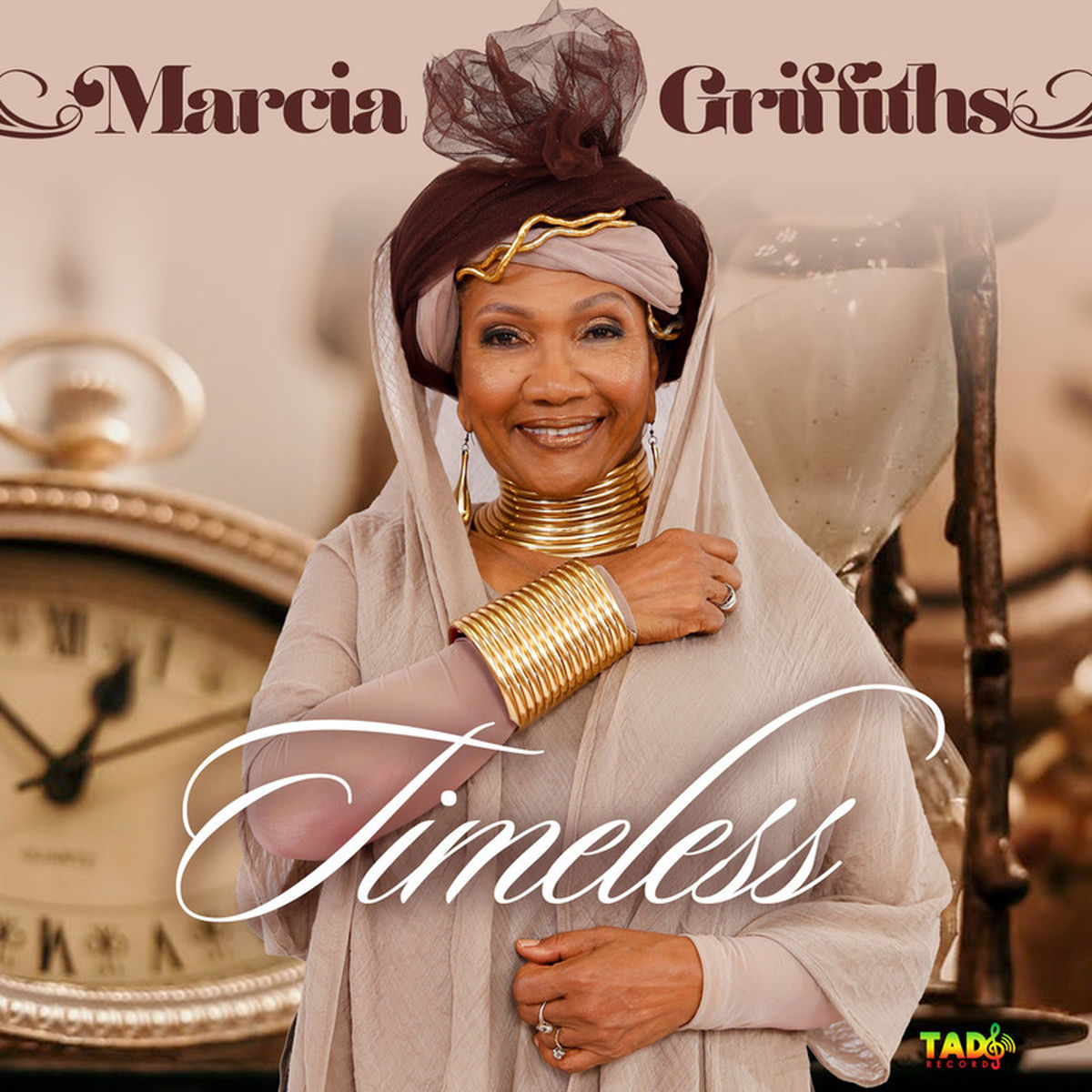
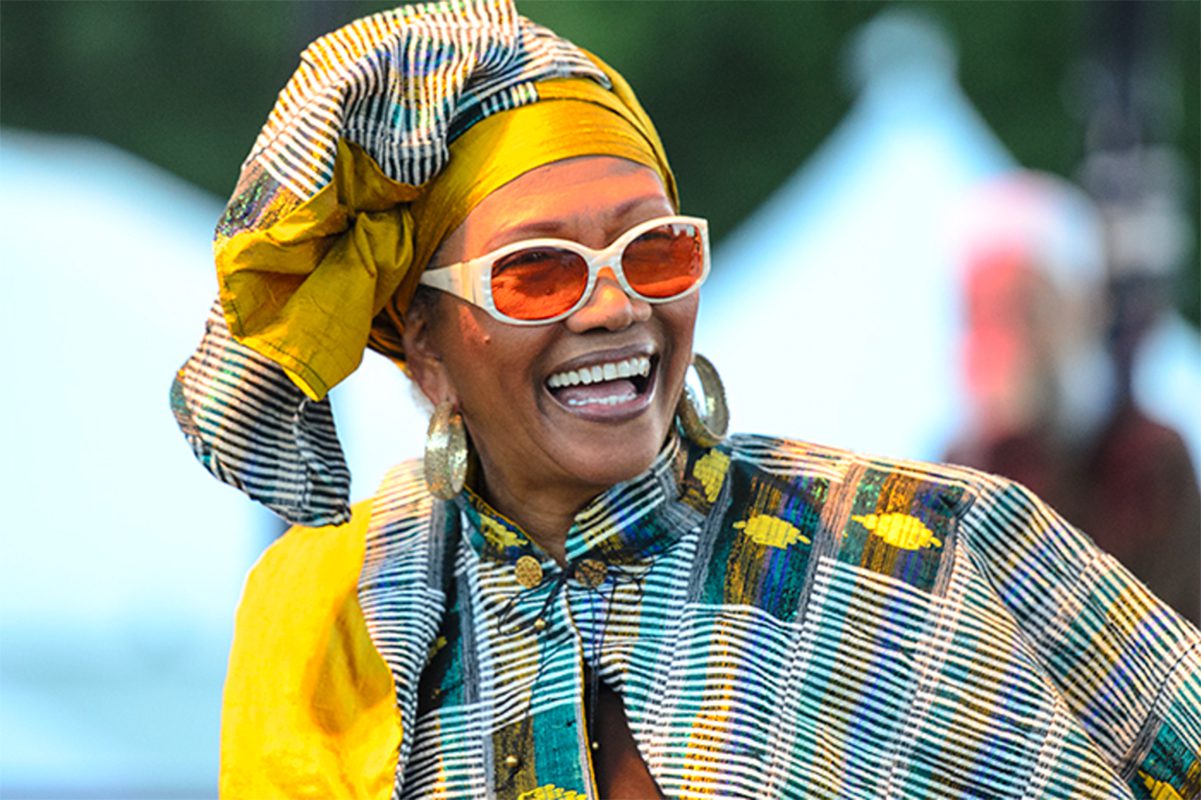
Her later career has brought sustained national recognition and continued recording. Timeless deliberately returned to classic Jamaican and Studio One repertoire, completing a historical circle for an artist whose professional career has extended across more than six decades.