BIOGRAPHY
The Story
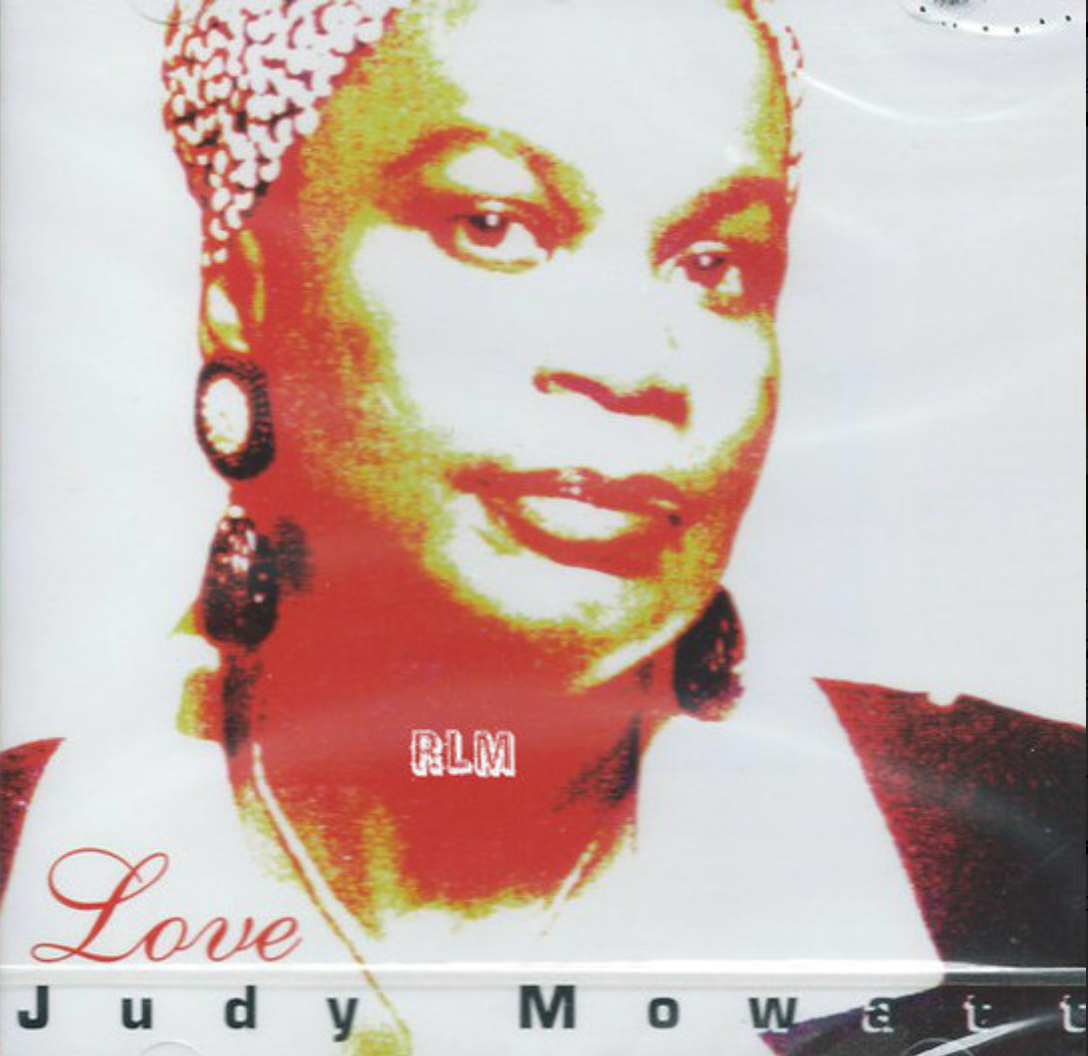
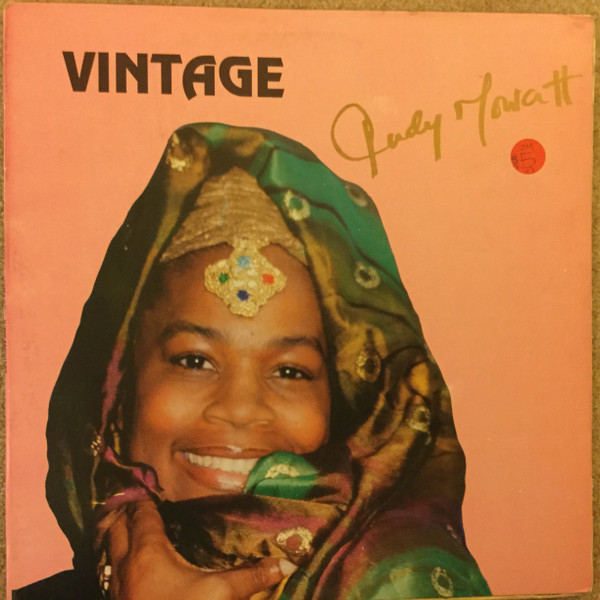
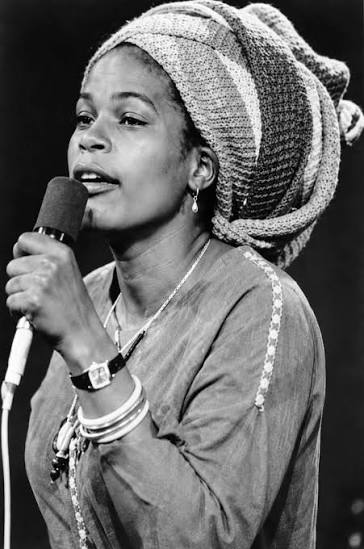
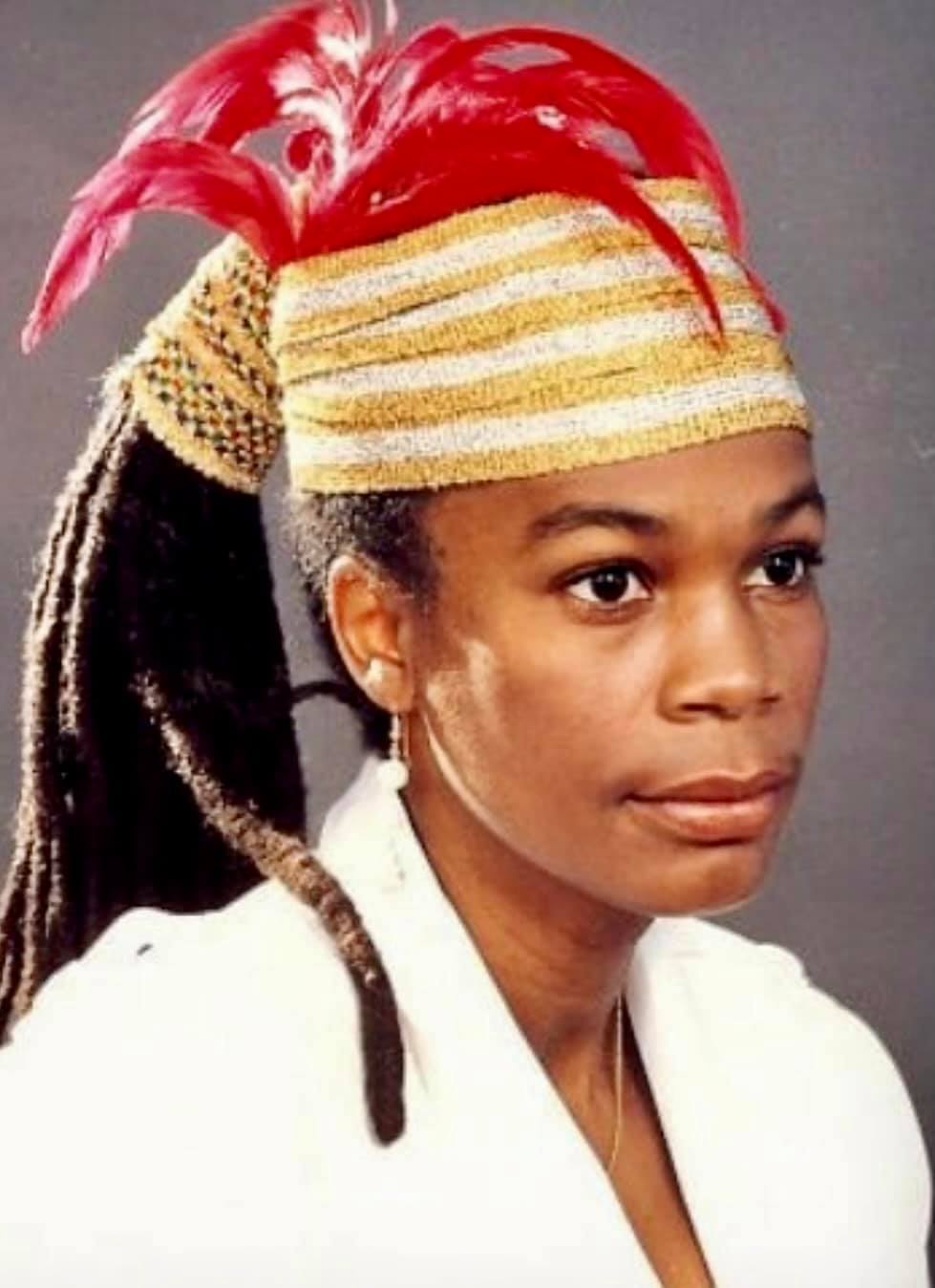
Judith Veronica Mowatt emerged from Jamaica’s 1960s vocal-group culture before becoming internationally known through the I-Threes. Raised in the Gordon Town area of St. Andrew, she entered professional music through the Gaylettes, developing the harmony singing and stage experience that remained central throughout her career.
The Gaylettes belonged to Jamaica’s rocksteady and early-reggae era, and Mowatt’s work with the group is part of that group’s history rather than a collection of retroactively labeled solo singles. Afterward she increasingly recorded under her own name, developing as a songwriter and taking greater control over her music.
Mowatt’s embrace of Rastafari shaped her worldview and songwriting. By the 1970s her musical path intersected with the Marley/Wailers circle, and in 1974 she joined Rita Marley and Marcia Griffiths in the I-Threes. Their harmonies became an essential element of Bob Marley & The Wailers in the studio and on international stages.
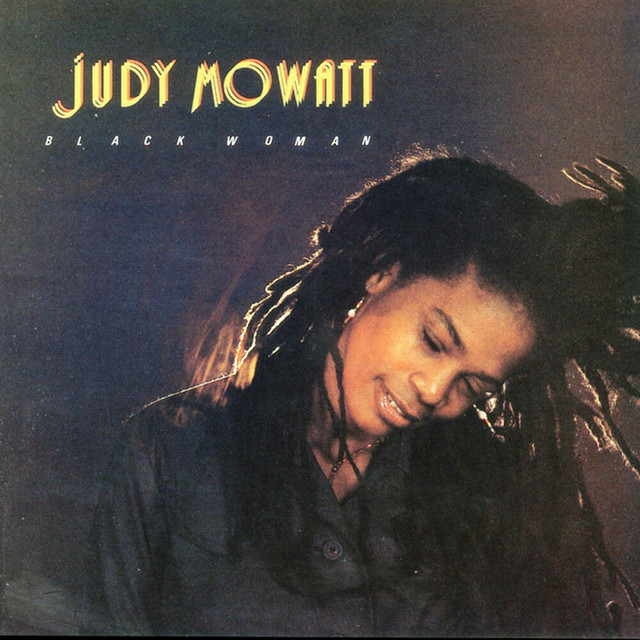
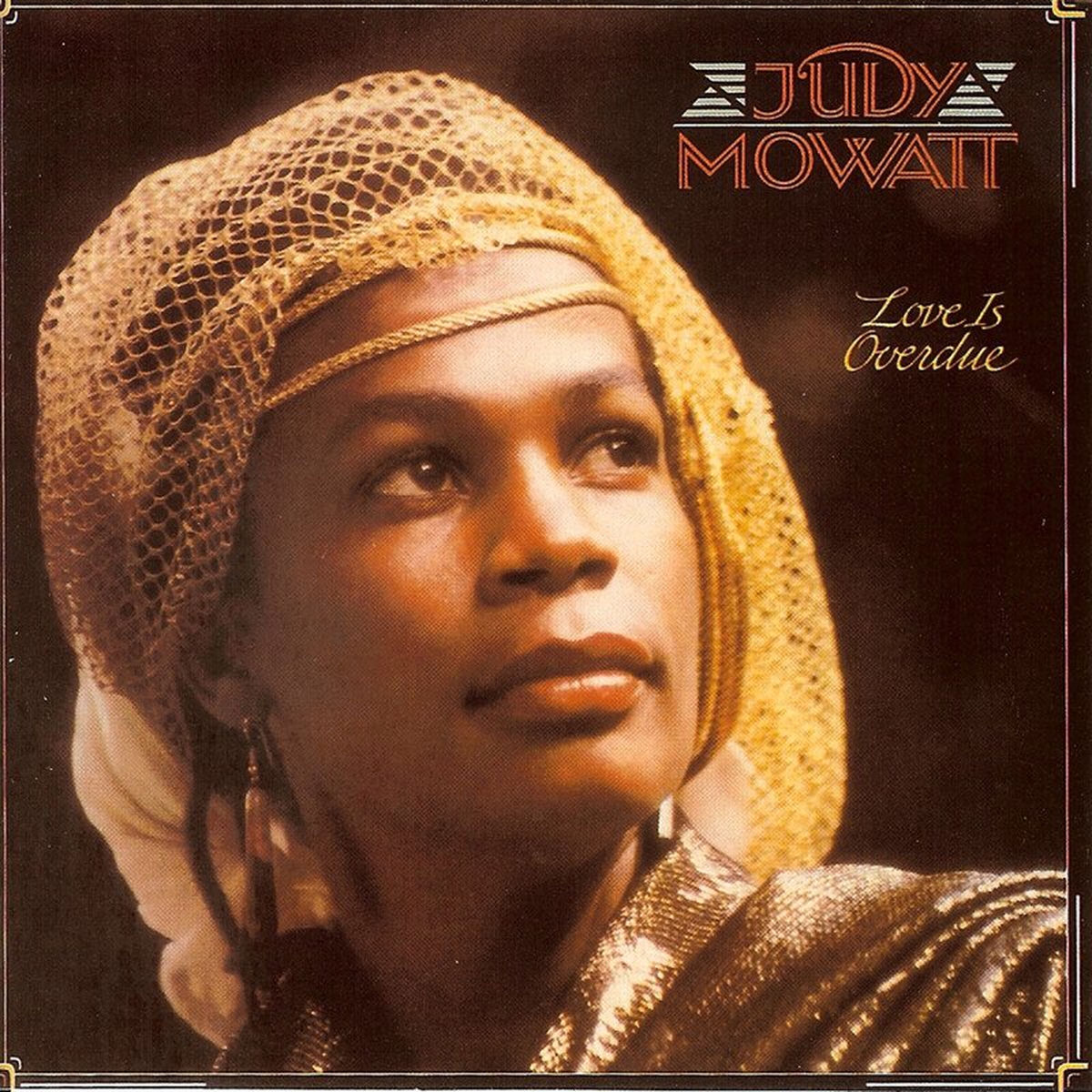
The I-Threes did not replace Mowatt’s independent career. While recording and touring with Marley, she continued writing and developing solo material. That parallel career reached a landmark with Black Woman, an album that placed Black womanhood, spirituality, social consciousness and personal authorship at the center of a roots-reggae LP.
Black Woman is especially significant because Mowatt assumed production responsibility rather than functioning only as the featured singer. Through her Ashandan operation she asserted an unusual degree of artist control in a Jamaican recording industry where women were far less commonly credited as producers.
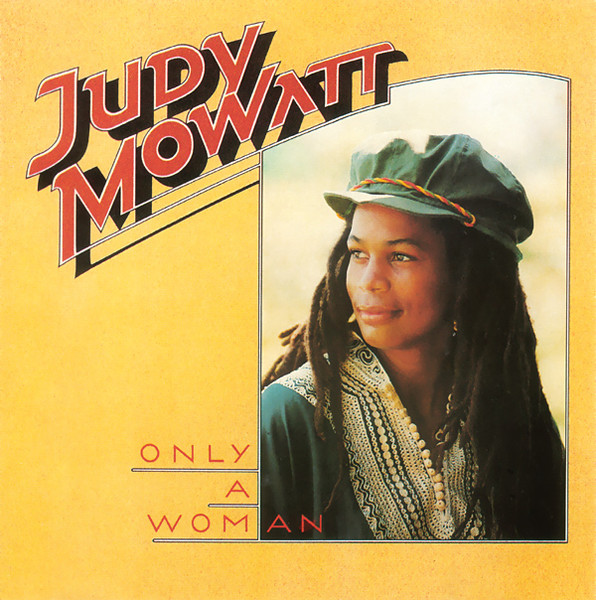
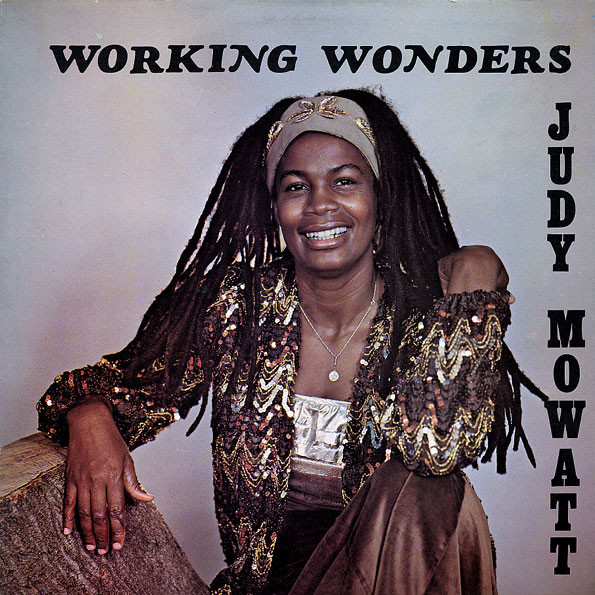
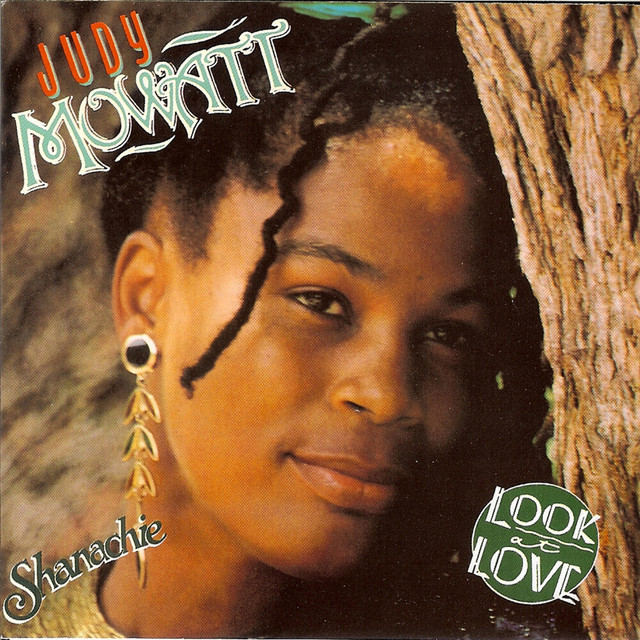
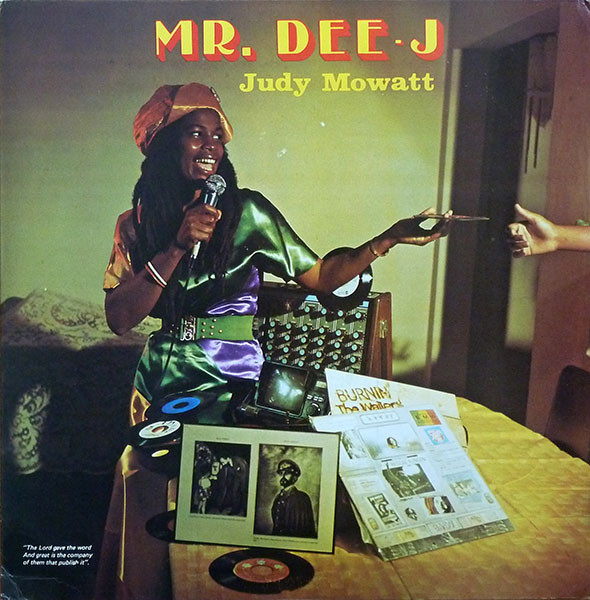
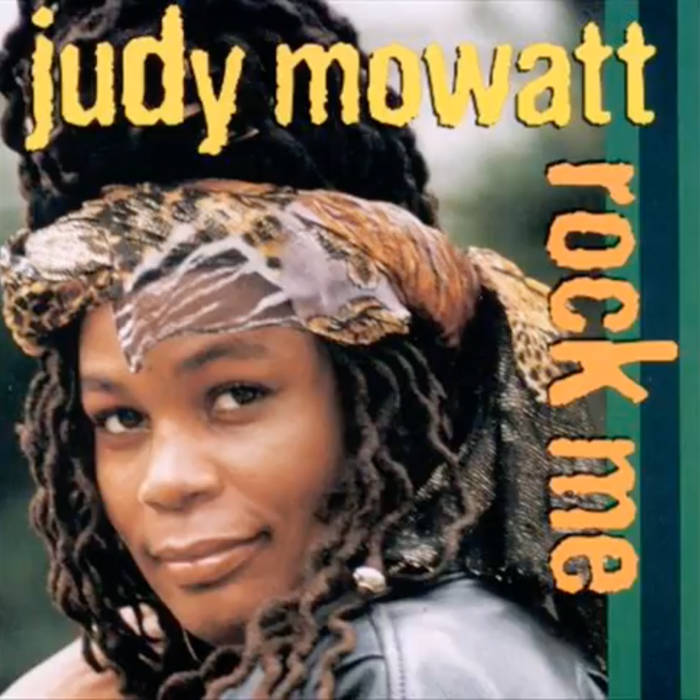
Only a Woman continued that independent production and recording path. Later albums expanded her catalogue while Working Wonders brought major international recognition through a Grammy nomination for Best Reggae Recording. Her career therefore belongs not only to the history of the I-Threes but also to the history of women as writers and producers in reggae.
In later years Mowatt underwent a significant religious transition from Rastafari to Christianity. The change affected the themes and presentation of her later music and belongs in her biography because it altered her artistic direction rather than because of any generic ministry template.
Across the Gaylettes, the I-Threes, her Ashandan productions and decades of solo work, Judy Mowatt’s career connects female vocal-group tradition, roots reggae, the international Marley era, independent artist production and later gospel-oriented expression.