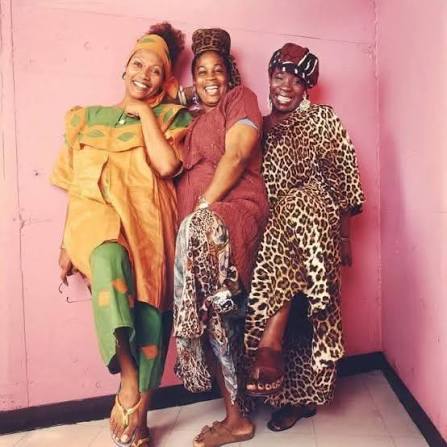
BIOGRAPHY
The Story
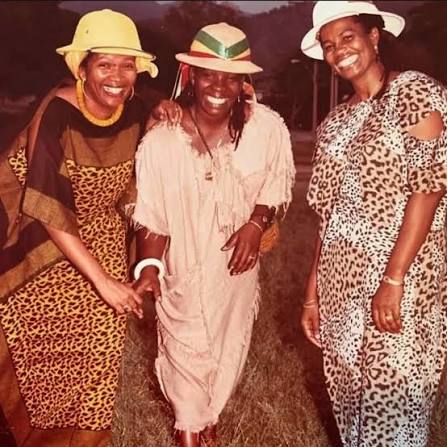
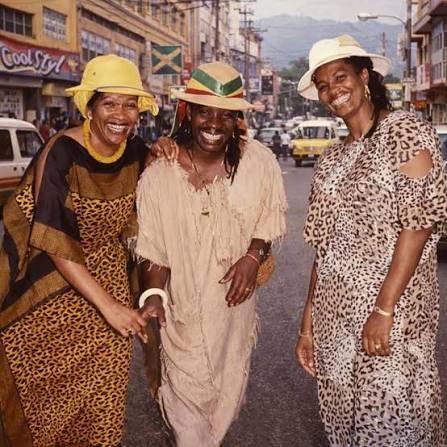
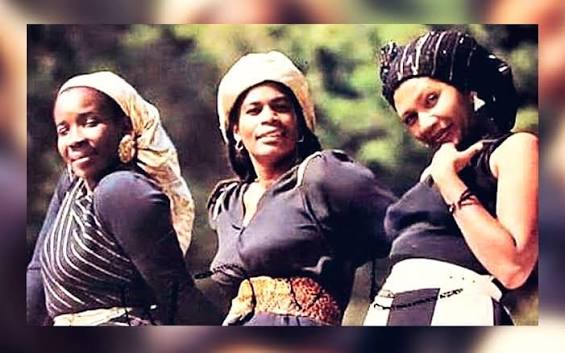
Before there was an I-Threes, there were three separate Jamaican careers. Rita Marley had recorded with the Soulettes and at Studio One; Marcia Griffiths had emerged from Studio One as a major solo singer and as half of Bob & Marcia; Judy Mowatt had sung with the Gaylettes and was developing her own songwriting and recording identity. The trio therefore began with three experienced professional singers rather than three anonymous backing vocalists.
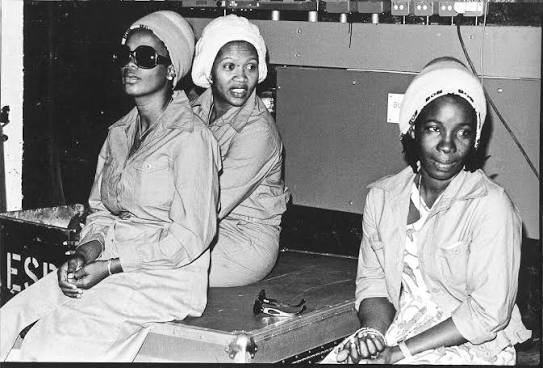
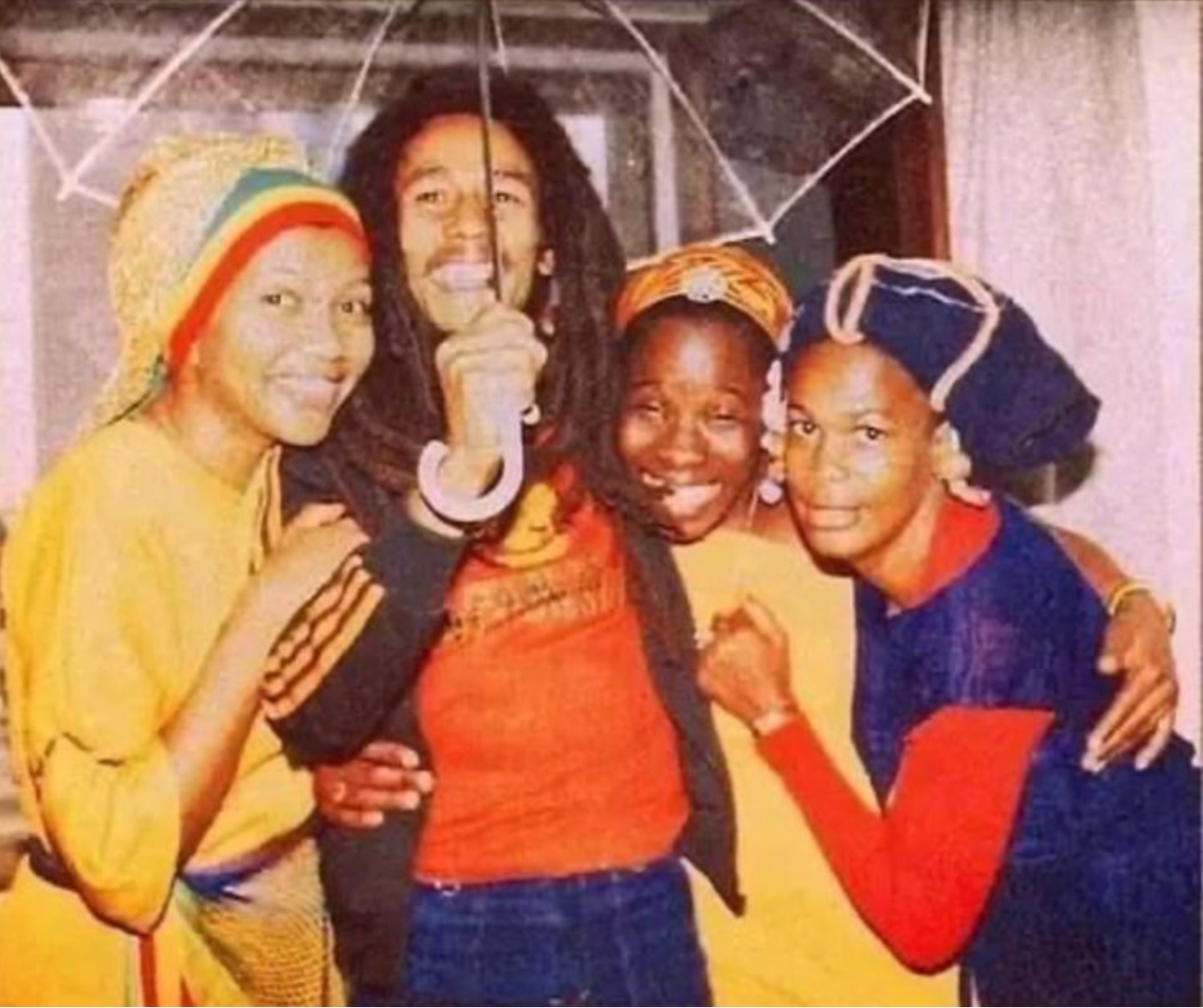
The I-Threes took shape in Kingston in 1974. Marcia Griffiths later recalled inviting Rita Marley and Judy Mowatt to sing with her during a solo engagement in New Kingston. The response to their combined voices encouraged the women to continue as a trio, and the new vocal unit soon entered the orbit of Bob Marley & The Wailers.
The timing coincided with a fundamental change in the Wailers. Peter Tosh and Bunny Wailer had left the touring and recording configuration associated with the original vocal trio. The I-Threes did not replace Tosh and Bunny as songwriters, instrumentalists or individual artists; instead, Rita, Marcia and Judy created a new three-part female harmony structure around Bob Marley and became central to the vocal identity of the later band.
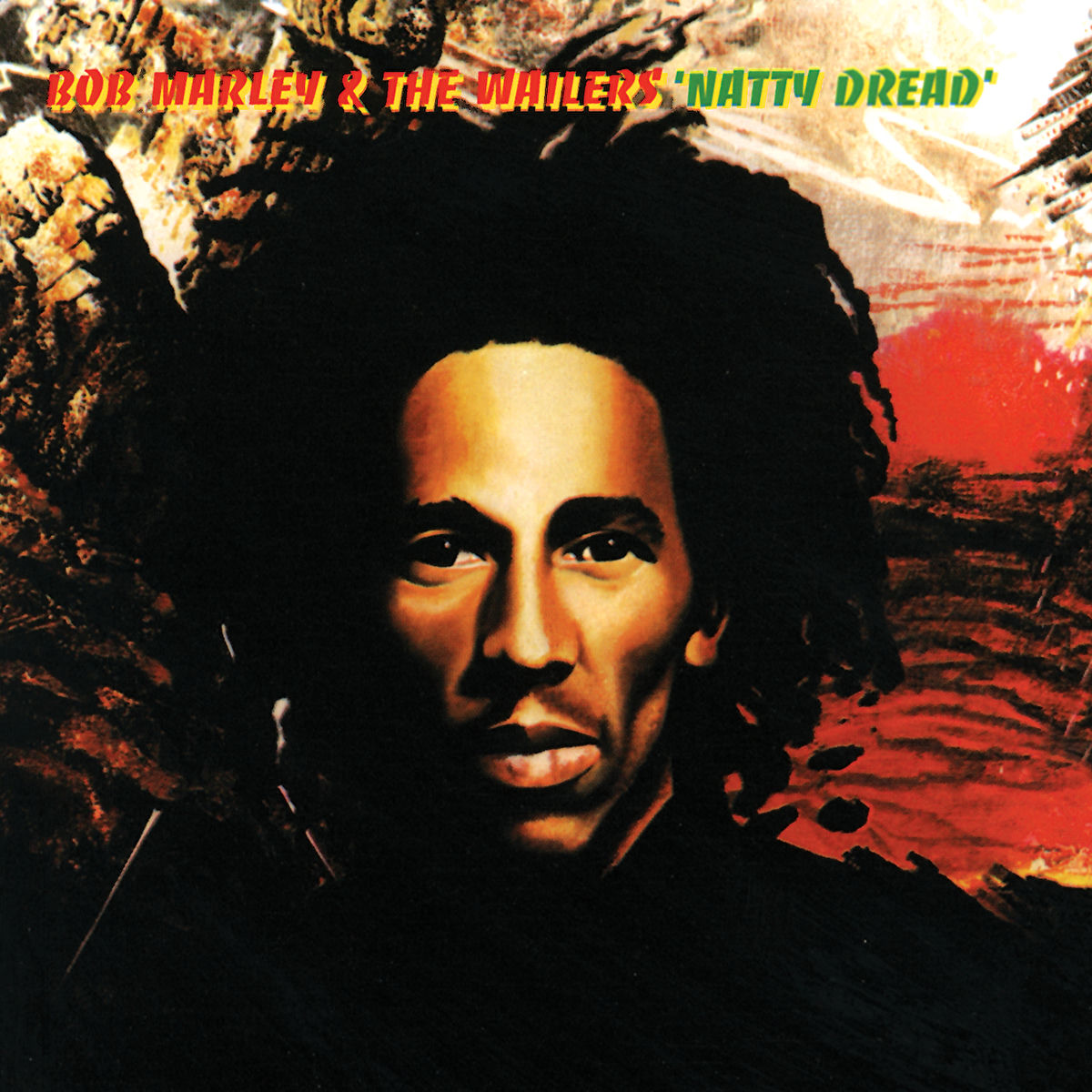
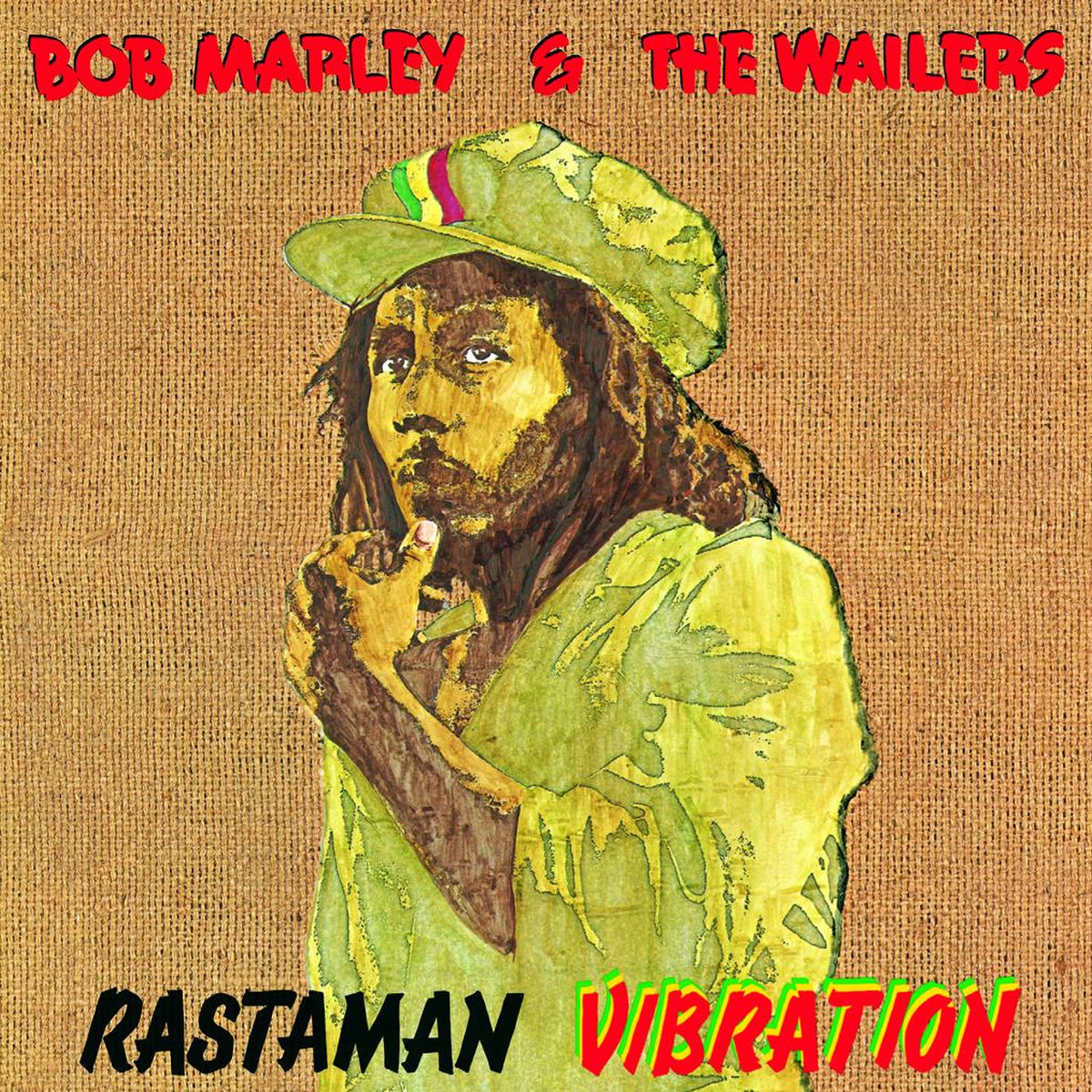
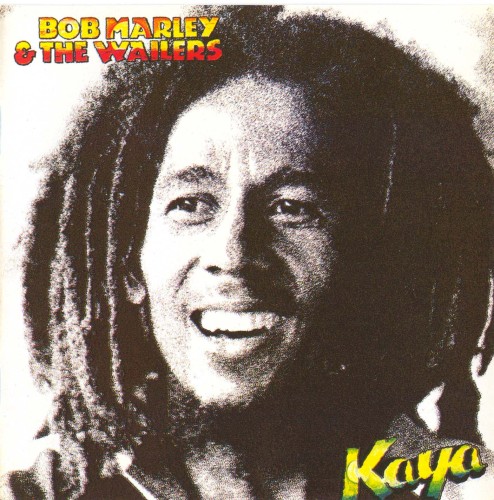
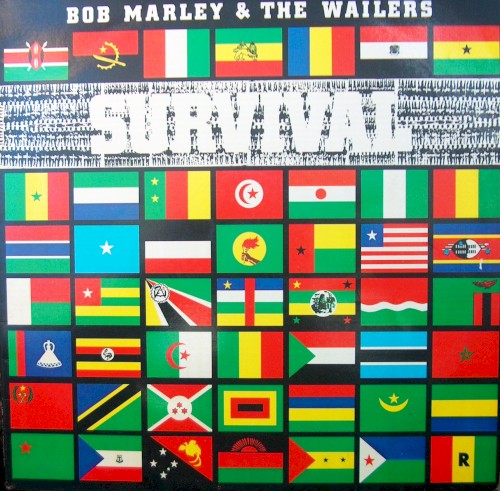
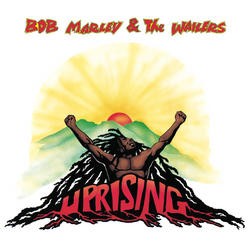
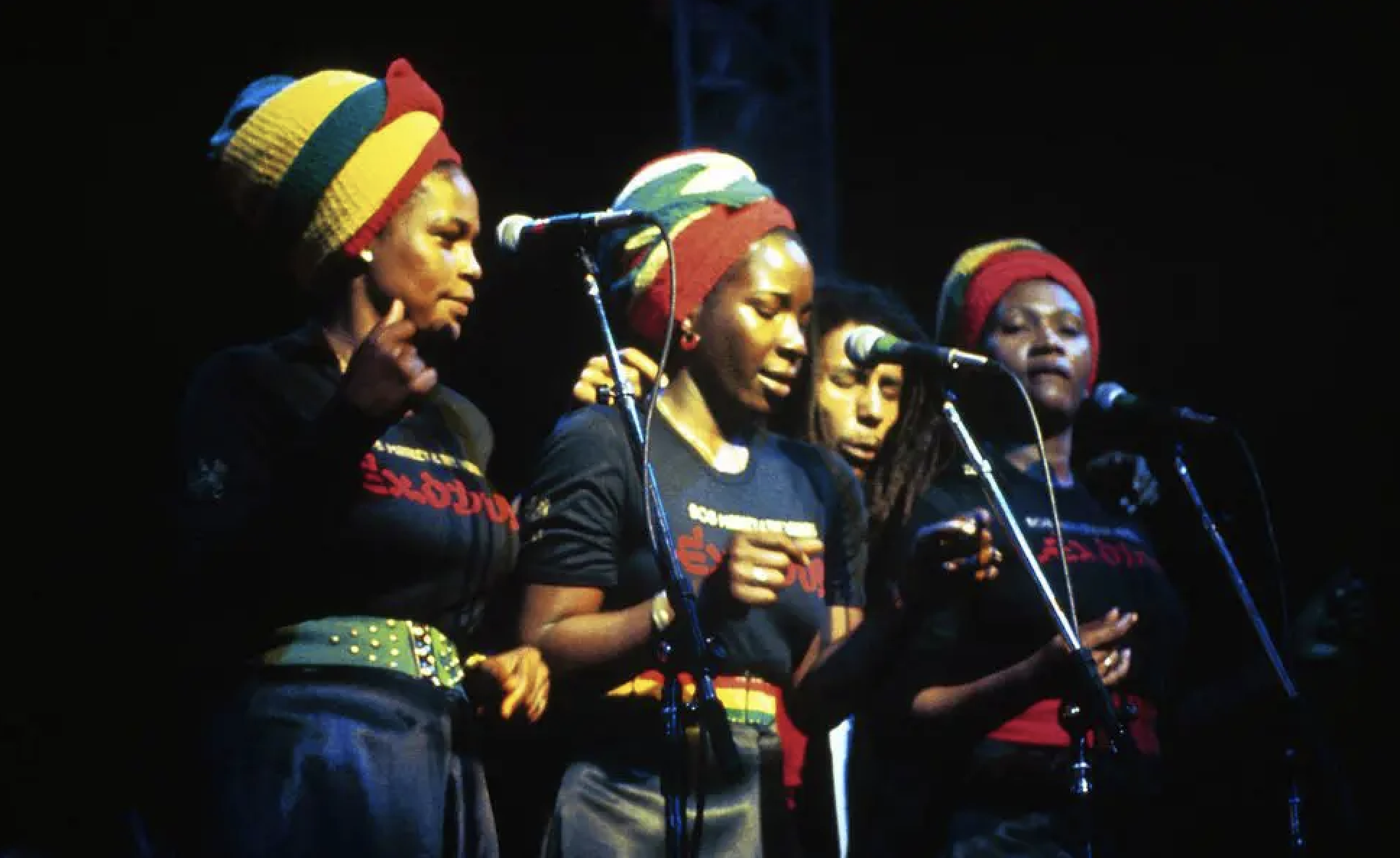
Natty Dread, released in 1974, marked the first studio album credited to Bob Marley & The Wailers and the first in that album sequence to feature the I-Threes. Their harmonies became part of the sound heard on the subsequent Rastaman Vibration, Exodus, Kaya, Survival and Uprising periods, while the trio also became a recognizable visual and musical presence on stage.
The I-Threes brought unusually deep individual experience to the role. Rita connected the group to the Soulettes, the early Wailers circle and the Marley family; Marcia brought years of Studio One solo work and the international Bob & Marcia partnership; Judy brought the Gaylettes, songwriting and an increasingly independent production career. Each woman was capable of carrying a lead performance, which gave the trio a different character from a conventional anonymous backing-vocal section.
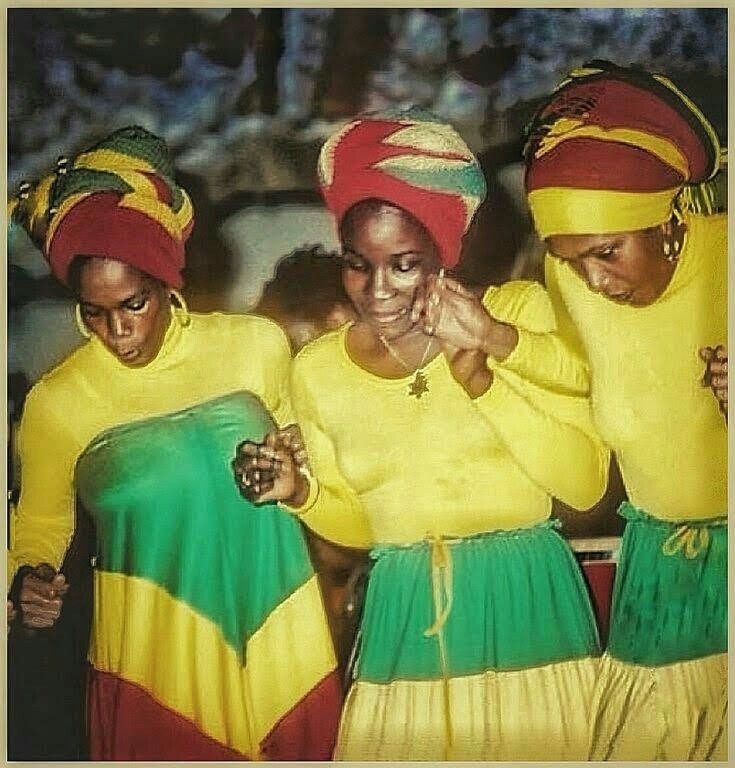
International touring made the I-Threes part of some of the most important live chapters in reggae history. They performed within the Bob Marley & The Wailers organization through the second half of the 1970s, including the era of the One Love Peace Concert, the Survival period and the Uprising tour. Their coordinated harmonies, stage movement and dress became part of the band’s live presentation.
The trio also participated in the African-centered phase of Marley’s career. In April 1980 Bob Marley & The Wailers traveled to newly independent Zimbabwe for the independence celebrations, and the I-Threes were part of that performing organization. Their presence places Rita, Marcia and Judy inside one of reggae’s most symbolically important international events rather than outside the story as peripheral singers.
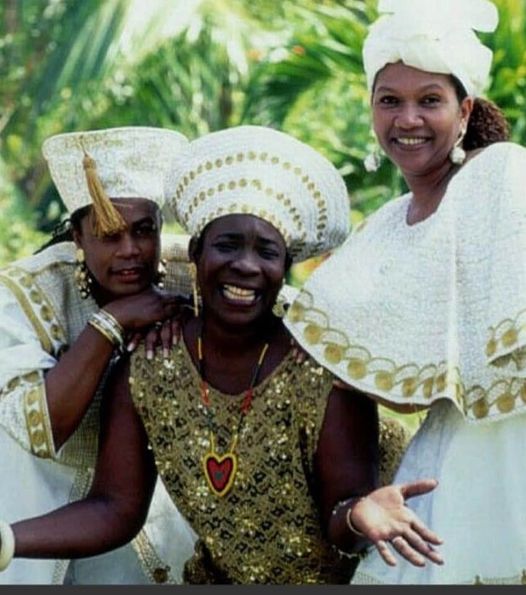
Bob Marley’s death in 1981 ended the original context in which the I-Threes became internationally known, but it did not end the careers of the three women. Rita, Marcia and Judy each continued recording and performing independently, and the I-Threes identity persisted through later appearances and recordings.
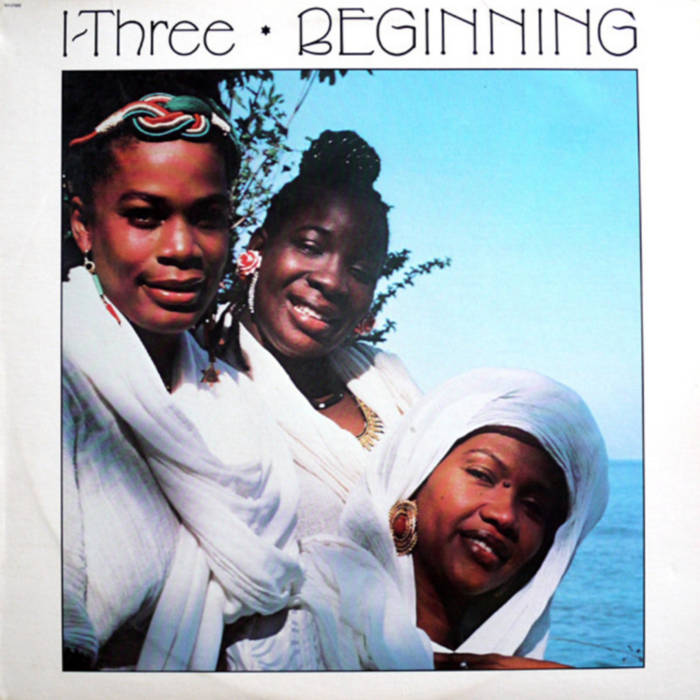
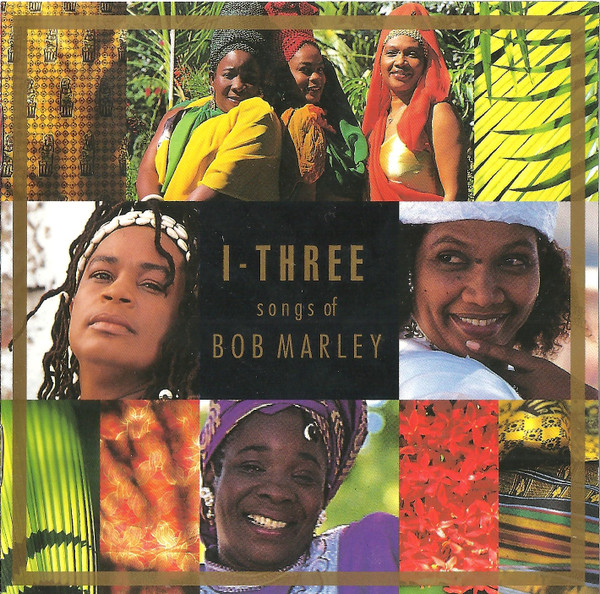
The group’s own catalogue deserves to be distinguished from the Bob Marley & The Wailers albums on which they sang. Releases such as Beginning document the I-Three/I-Threes identity as a recording act in its own right. Songs of Bob Marley later placed the three women in another role: not supporting Marley’s original recordings, but interpreting the Marley songbook themselves.
The I-Threes therefore occupy two connected but distinct places in Jamaican music history. They are inseparable from the mature sound and stage identity of Bob Marley & The Wailers, yet they are also a trio formed by three important artists whose histories began before Marley’s later band and continued long after it. Reggae Dancehall Vault preserves both sides of that story.