BIOGRAPHY
The Story
Neville O’Riley Livingston was born on April 10, 1947. His earliest years were spent in Nine Mile, St. Ann, where he knew Robert Nesta Marley long before either became a recording artist. Their families later became closely connected, and the friendship continued in Kingston, where music became central to both young men’s lives.
In Kingston, Livingston and Marley entered the orbit of Joe Higgs, whose Trench Town sessions taught young singers harmony, timing and stagecraft. Peter Tosh joined that circle, and the developing vocal group expanded into the Wailing Wailers. Bunny’s tenor harmony became part of the group’s identifying sound, while he also contributed percussion, lead vocals and compositions.
At Studio One under Clement “Coxsone” Dodd, the Wailers moved through ska and Jamaica’s changing 1960s sound. Bunny received fewer lead opportunities than Marley or Tosh, but “Dreamland,” “Riding High” and “Brainwashing” reveal his individual voice. “Dreamland,” adapted from the El Tempos’ “My Dream Island,” became especially closely associated with him. He also wrote “Pass It On.”
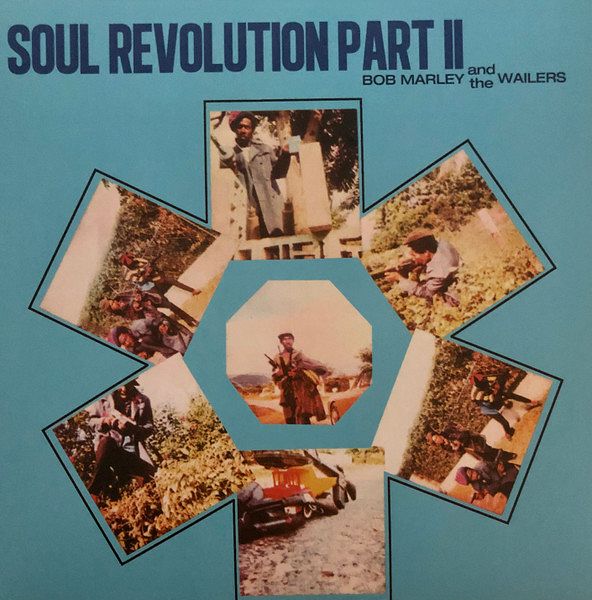
As the Wailers sought independence from Studio One, Bunny remained central through Wail’N Soul’M and the group’s work with Lee “Scratch” Perry. Perry’s sessions with Aston “Family Man” Barrett and Carlton Barrett helped move the group toward the heavier reggae heard on Soul Rebels and Soul Revolution.
Catch a Fire and Burnin’ brought the Marley–Tosh–Livingston core to a much larger international audience in 1973. Bunny contributed harmony and percussion, but extensive overseas touring did not suit the life he wanted. Accounts of his departure point to overlapping factors including his reluctance to remain away from Jamaica, Rastafari convictions and a group structure increasingly centered publicly on Marley.
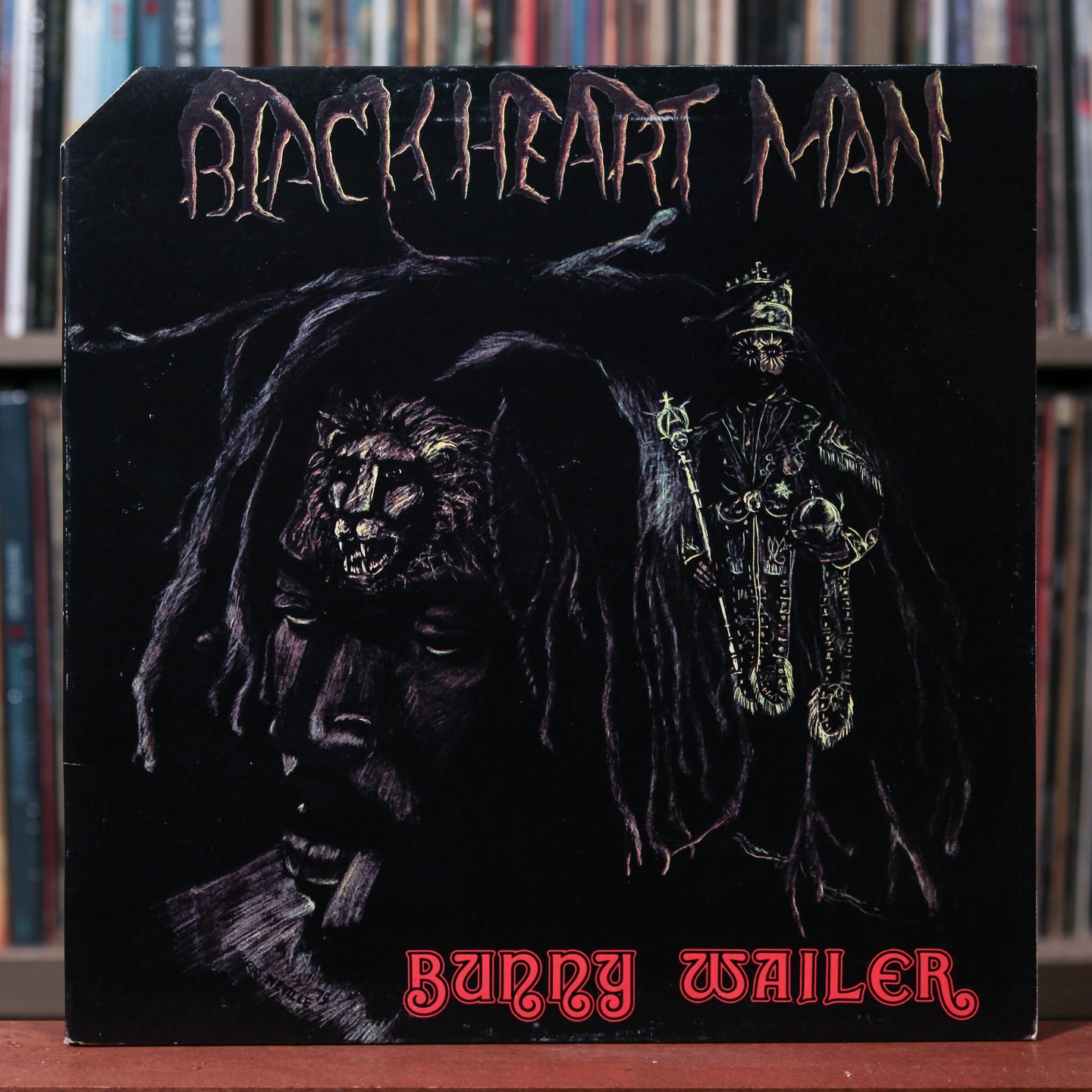
Bunny’s independence was not a retreat from ambition. He developed Solomonic as the base for his recordings and increasingly worked as songwriter, producer and arranger. Blackheart Man (1976) became the defining statement of this first solo period, placing Rastafari, spiritual reflection and social observation at the center of a roots-reggae album that reconnected musicians from the wider Wailers network.
Protest followed in 1977, extending his political and spiritual writing. Bunny repeatedly treated the Wailers catalogue as living material rather than a closed chapter. Sings the Wailers later made that relationship explicit, presenting songs from the group’s history from Bunny’s own post-Wailers perspective.
By the early 1980s Bunny was responding to changes in Jamaican popular music. Rock ’N’ Groove drew on musicians including Sly Dunbar and Robbie Shakespeare and connected roots consciousness with a more dance-oriented rhythmic approach. It showed an artist working inside a Jamaican scene moving toward dancehall without abandoning his earlier identity.
Bunny’s later catalogue repeatedly returned to the memory of Bob Marley and the original Wailers. Time Will Tell: A Tribute to Bob Marley won him a Grammy, while Crucial! Roots Classics and Hall of Fame: A Tribute to Bob Marley’s 50th Anniversary brought two more. Those awards recognized both his stewardship of Wailers history and the continuing strength of his own catalogue.
Jamaica recognized Bunny with the Order of Jamaica in 2012 and the Order of Merit in 2017. He died in Kingston on March 2, 2021, aged 73. His death closed the living chapter of the best-known Marley–Tosh–Wailer trio, but Blackheart Man, Solomonic and his decades of independent work ensure that his legacy is much larger than membership in the original group.