Founder / operator
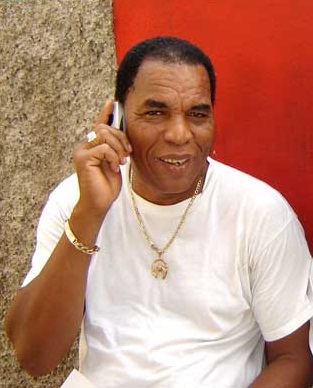
Maurice “Jack Scorpio” Johnson
From a small Drewsland setup to Black Scorpio and a major production operation.
SOUND SYSTEM · RECORD LABEL · PRODUCTION HOUSE
From Jack Scorpio’s single-turntable Drewsland setup to one of Jamaica’s major sound-system-to-studio operations.

1968 → 1972 → BLACK SCORPIO
Jack Scorpio recalls beginning in 1968 with a single turntable and speaker. In 1972 he established Special I. The name was later changed amid political tension; Black Scorpio referenced Johnson’s zodiac sign.
Some histories retrospectively call the 1968 setup Black Scorpio. The Vault keeps that naming uncertainty visible.
DREWSLAND · HEADLEY AVENUE
Headley Avenue became a working dancehall ecosystem: record boxes, dubplates, selectors, microphone artists, rehearsals and dances. Jack remembers artists arriving there on Thursday nights.
“Headley Avenue was the spot.” — Jack Scorpio
THE SOUND CREW
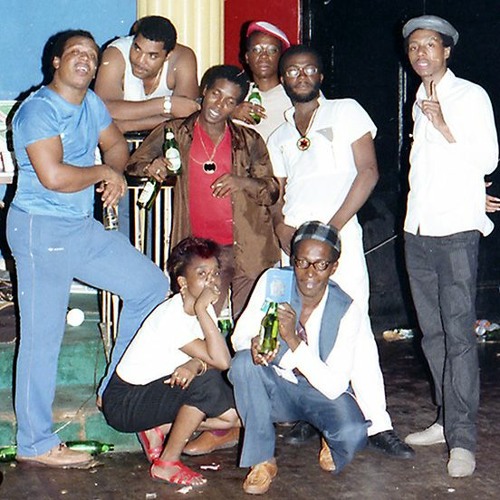
Sound crew is kept separate from Black Scorpio’s later production roster. Appearing on a surviving tape does not automatically make an artist a permanent member.
From a small Drewsland setup to Black Scorpio and a major production operation.
Documented selecting a 1984 Black Scorpio session; selector roles remain event-specific where accounts differ.
Senior deejay whose racing lyrics helped establish the Horseman identity.
Brought into Jack Scorpio’s orbit after Sassafrass heard him deejaying.
Associated with different periods; not presented as one permanent lineup.
THE HORSEMAN SOUND
Jack’s horse-racing interest and Sassafrass’s racing lyrics shaped the identity. Sassafrass then brought General Trees into Jack Scorpio’s orbit.
SURVIVING SOUND TAPES
General Trees · Sassafrass · young Papa San · Peter Metro · Welton Irie · Half Pint · Michael Palmer · Echo Minott and others.
General Trees · Sassafrass · Early B · Mickey Melody · Hopeton James and others.
General Trees · Culture Lee · Lady G · Papa San · Professor Nuts · Pan Head and other documented voices.
23 FEBRUARY 1985 · WALTHAM PARK ROAD
Accounts describe Black Scorpio performing strongly before Jammy introduced the new computerized Sleng Teng dubplate. The crowd reaction helped turn the riddim into a dancehall phenomenon.
Black Scorpio is part of Sleng Teng’s public-breakthrough history; it is not presented as the creator of the riddim.
2 JUNE 1985 · CINEMA II
Surviving accounts describe equipment trouble curtailing Black Scorpio’s later participation. The Vault records that circumstance rather than turning it into an invented musical verdict.
Explore Youth Promotion →THE DANCE → THE RECORD
Jack’s first producer hit is identified as Sassafrass’s Pink Eye in 1982; Poccomania Jump followed as a larger breakthrough in 1985.
“The dance buss the riddim.” — Jack Scorpio
An artist could be tested in the dance, a song developed around the performer, musicians could build a rhythm for it, and the finished record returned to the sound.
THE RIDDIM KINGS
Surviving credits identify Howard Dalhouse, Lloyd Denton, Michael Rutherford, Owen Dalhouse and Paul Hamilton as the Riddim Kings / Rhythm Kings on Black Scorpio’s Road Block / Version.
1992 · ANOTHER GENERATION
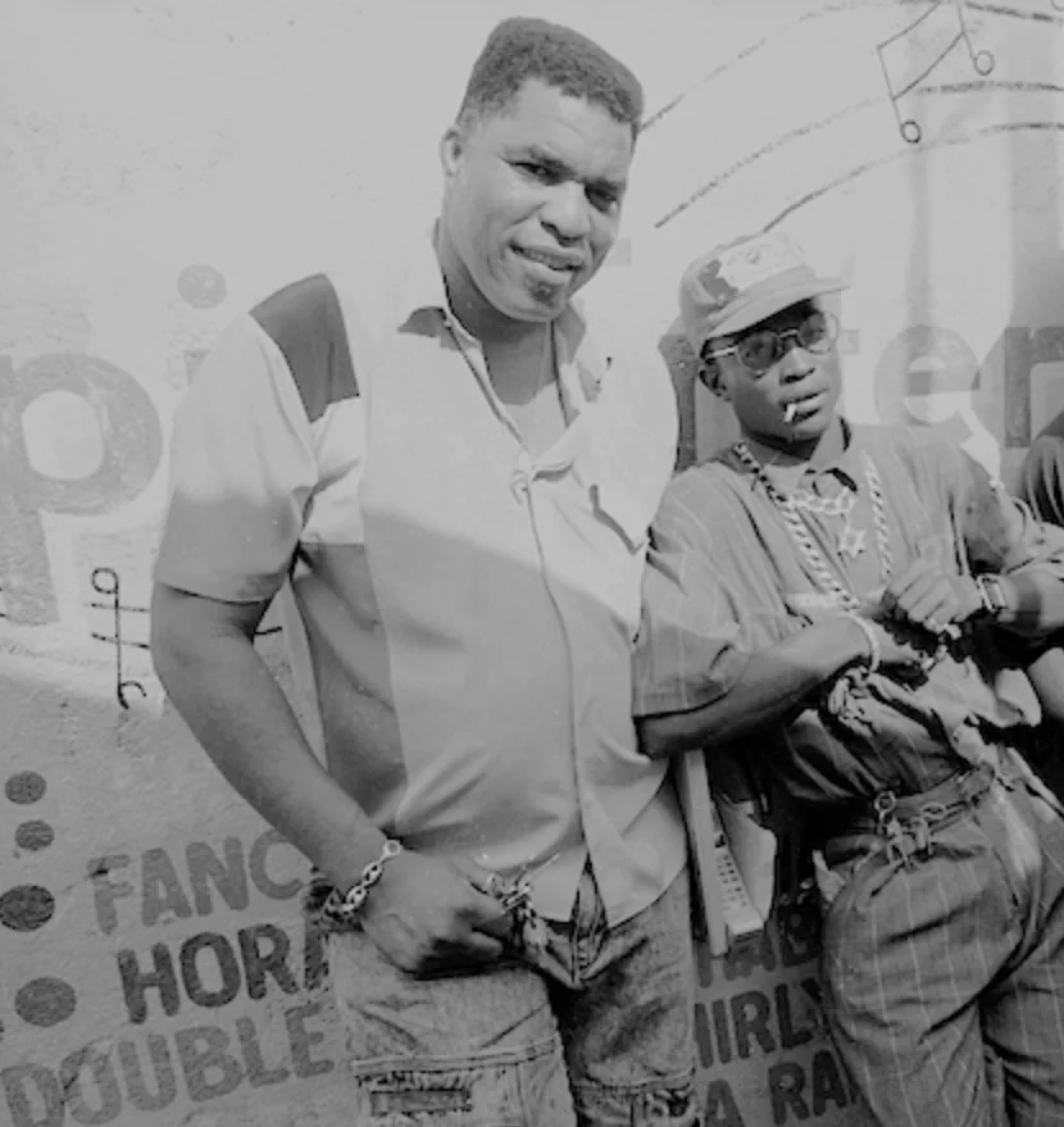
The supplied photograph is independently captioned as Jack Scorpio with deejay Pan Head and producer Jah Screw in 1992, bridging the Horseman era and early-1990s dancehall.
BLACK SCORPIO RECORDS
These are production relationships, not automatically resident sound-system memberships.
JUNIOR SCORPIO
Black Scorpio’s own history says Jack’s son Kerry was producing established artists by fourteen. His death in a motor-vehicle accident in 1994, at only fifteen, deeply affected Jack and the operation. The Junior Scorpio imprint preserves his name.
LEGACY
Yard → selector → sound → artists → clash → producer → musicians → studio → label → sound again.
That structure carried Black Scorpio from foundation dancehall through the digital transition and into 1990s ragga while remaining rooted in the live dance.
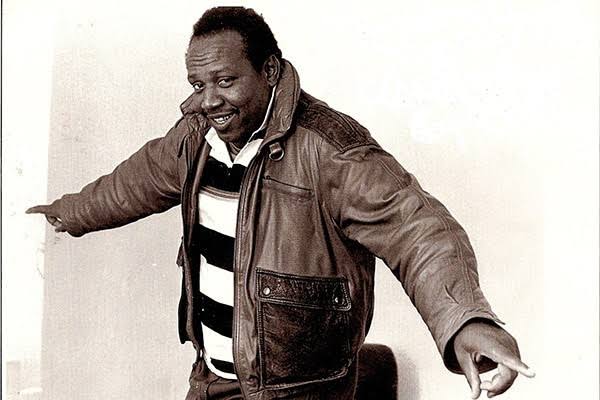 Lord Sassafrass
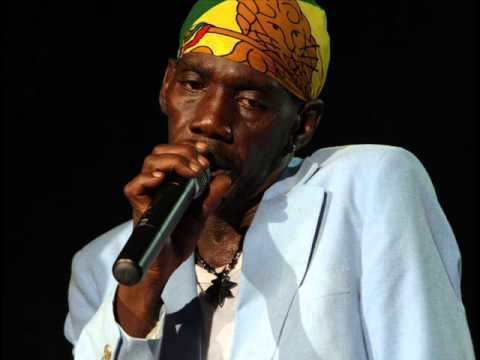 General Trees