BIOGRAPHY
The Story
Before music became his profession, Lt. Stitchie was a track athlete, student and school teacher. He studied physical education and sport and taught physical education and biology. That educational background remained part of his identity after dancehall became his full-time career.
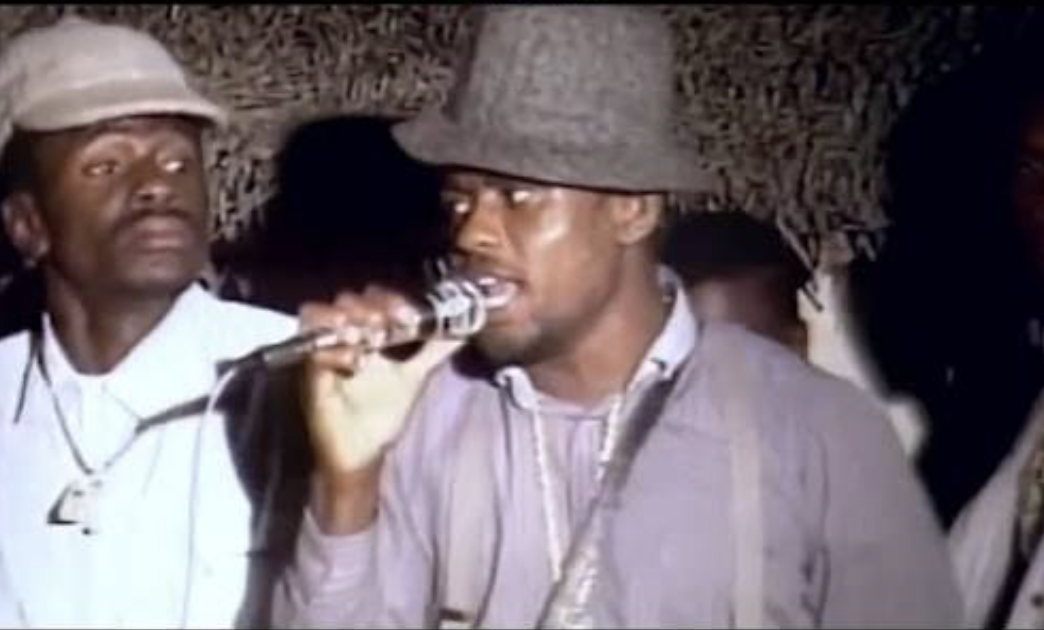
His musical reputation was built in the sound-system arena. After earlier sound-system experience, Stitchie became closely associated with Stereo One, where live dances and clashes gave him space to sharpen the speed, timing, humour, improvisation and crowd control that became trademarks of his deejay style.
Stereo One was central to the period in which Stitchie made his name. Representing the sound put him into competitive dancehall environments against other major sounds, including Jammys, Redman Hi Power and Killamanjaro. These clashes were part of the culture that established an artist's reputation before and alongside records.
A sound system, record label, recording studio and producer were not automatically the same thing. Stereo One operated as a sound and also released records, while a Stereo One-label recording could still be recorded at another facility. During this period, Stereo One material involving Stitchie could be recorded at Jammys studio without becoming a Jammys release.
Jammys itself occupied several roles in Jamaican music, including sound system, studio and production operation. Stitchie could therefore clash against Jammys while representing Stereo One and, in another context, record at Jammys studio or work on recordings produced within the Jammys camp.
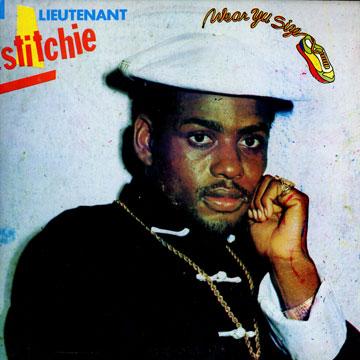
In 1986, “Wear Yuh Size” became a defining breakthrough recording for Stitchie. His work with Prince Jammy helped move the reputation he had built in the dancehall into a recording career with wider reach.
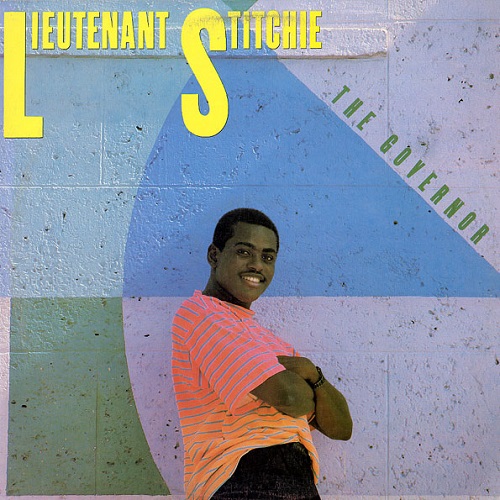
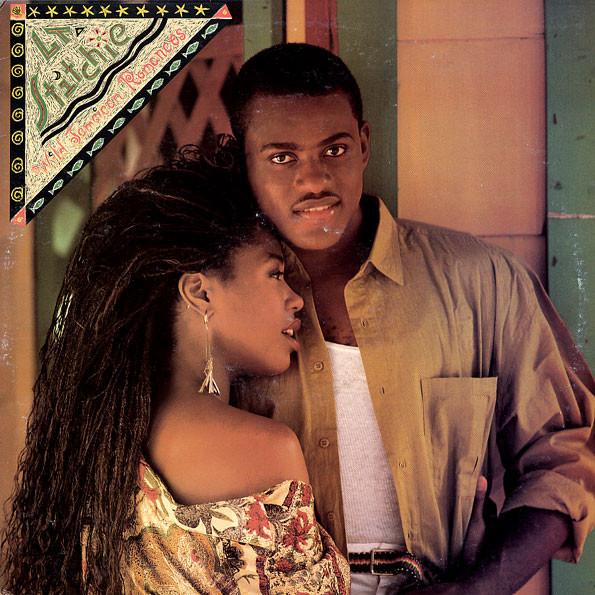
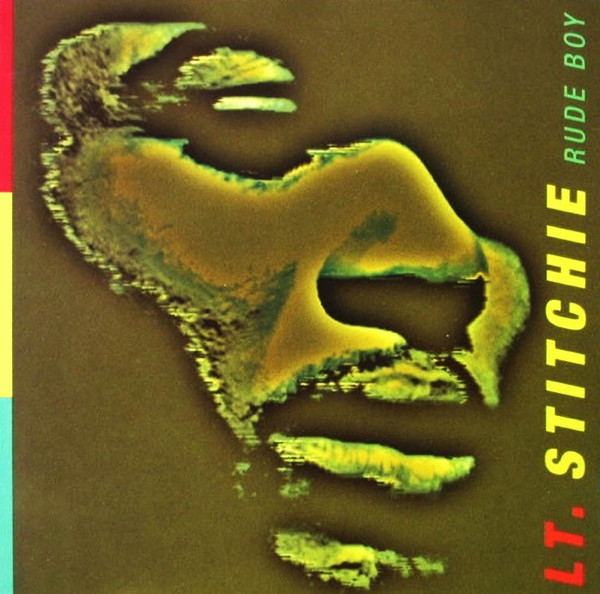
In 1988, Stitchie signed with Atlantic Records. He recorded three albums for the label: The Governor, Wild Jamaican Romances and Rude Boy. The Atlantic period placed his distinctive Jamaican deejay style within a major-label context as dancehall reached a wider international audience.
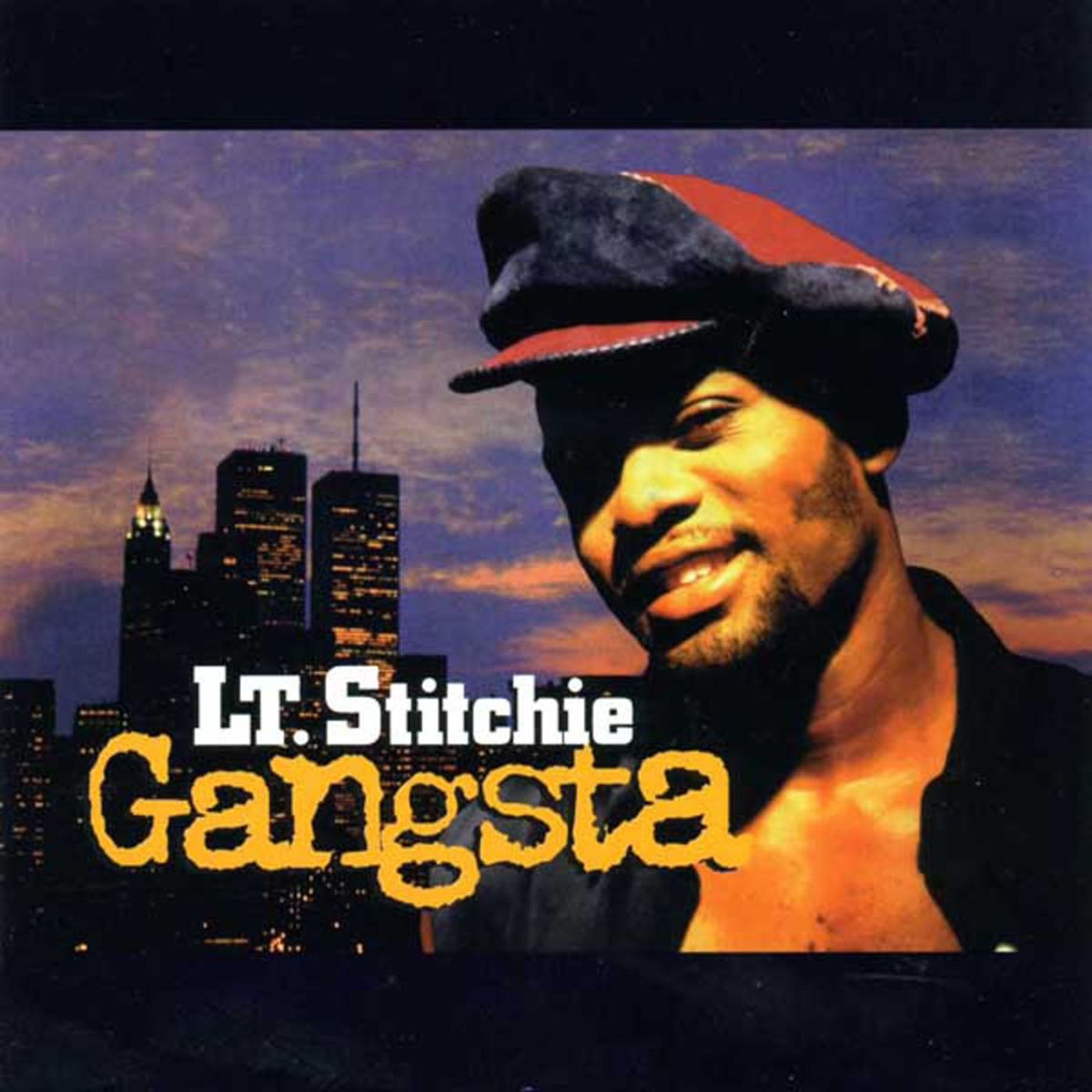
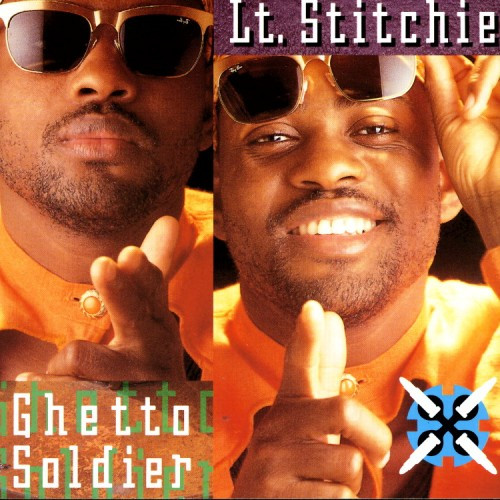
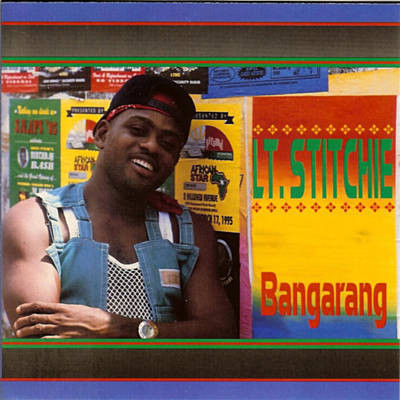
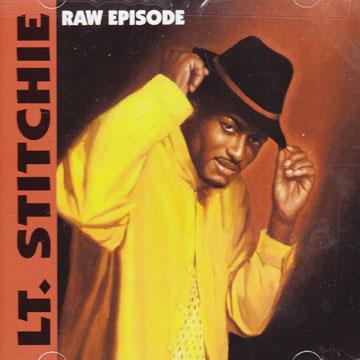
After the Atlantic chapter, Stitchie returned to Jamaican production circles and continued recording dancehall. Projects including Gangsta, its regional Ghetto Soldier edition, Bangarang and Raw Episode document the later secular phase of his career.
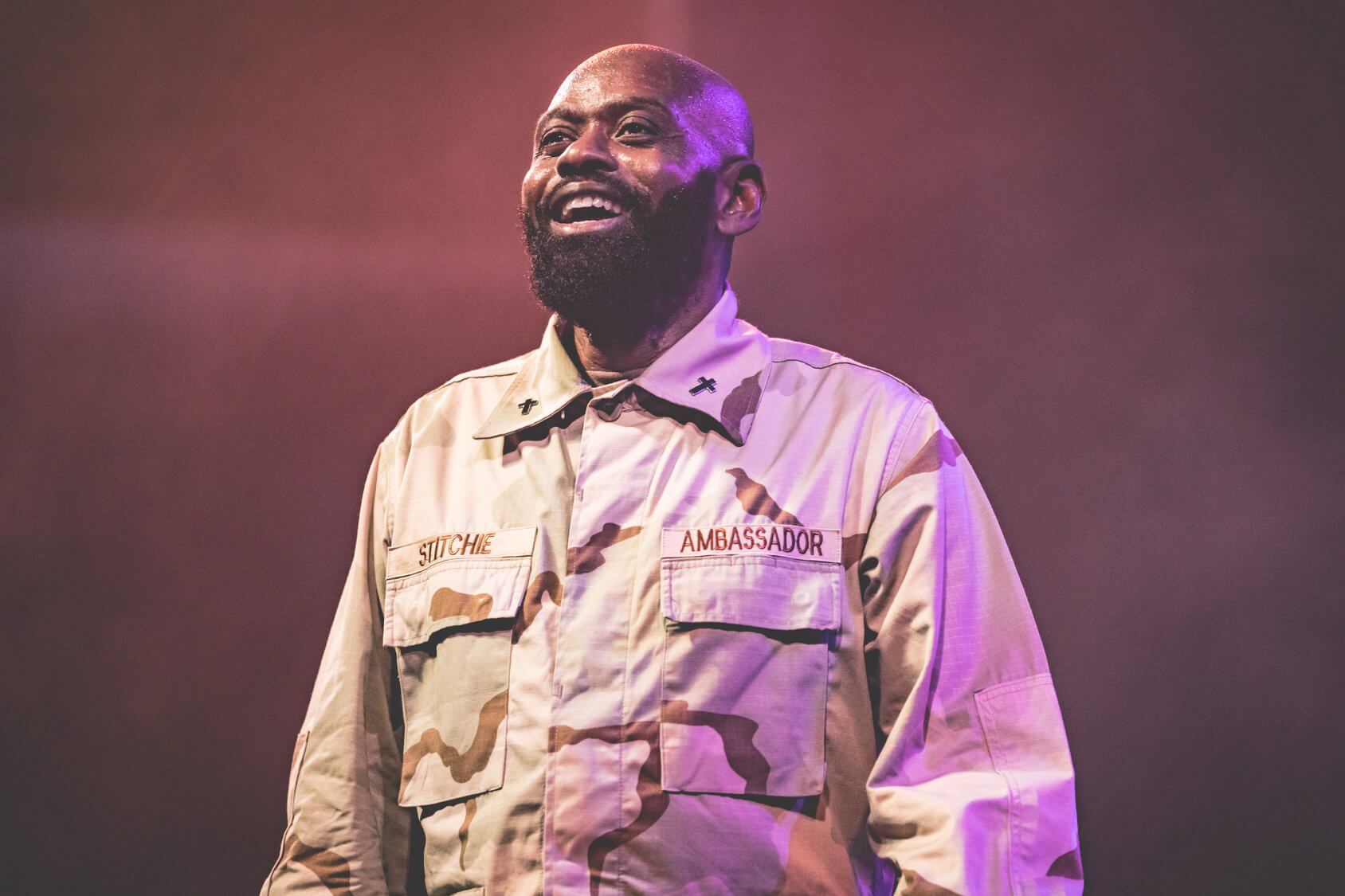
A serious car accident in 1997 became part of a major spiritual turning point. Stitchie embraced Christianity and redirected his music toward gospel reggae and ministry, opening a second long-running phase of his career.
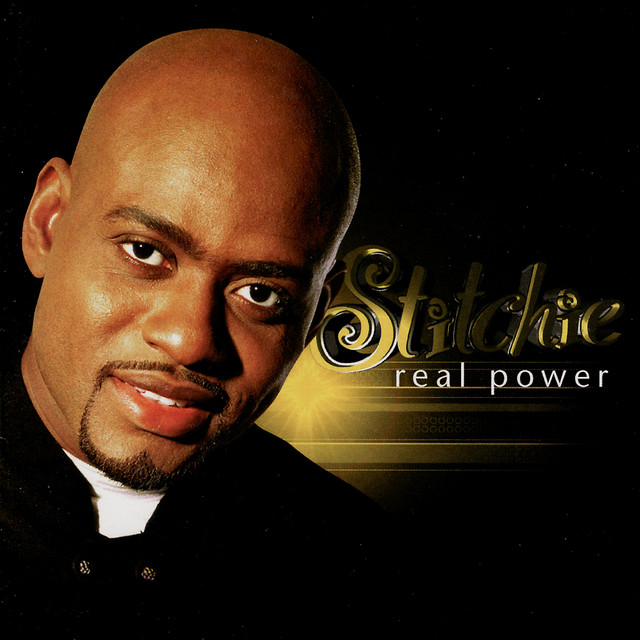
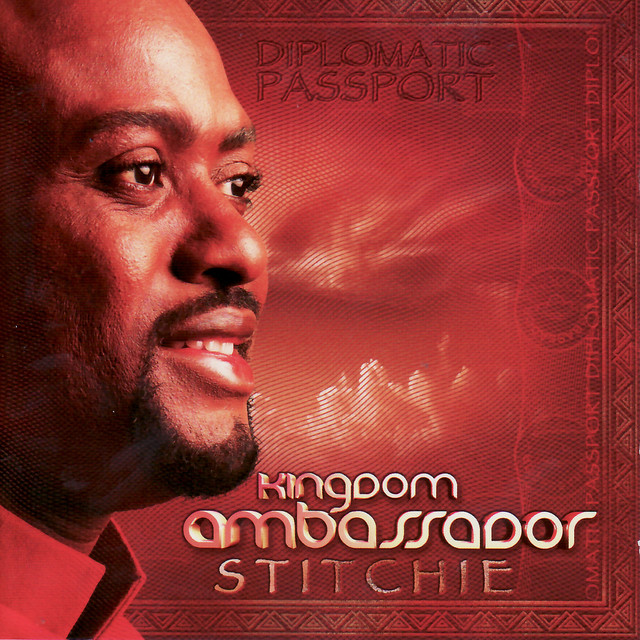
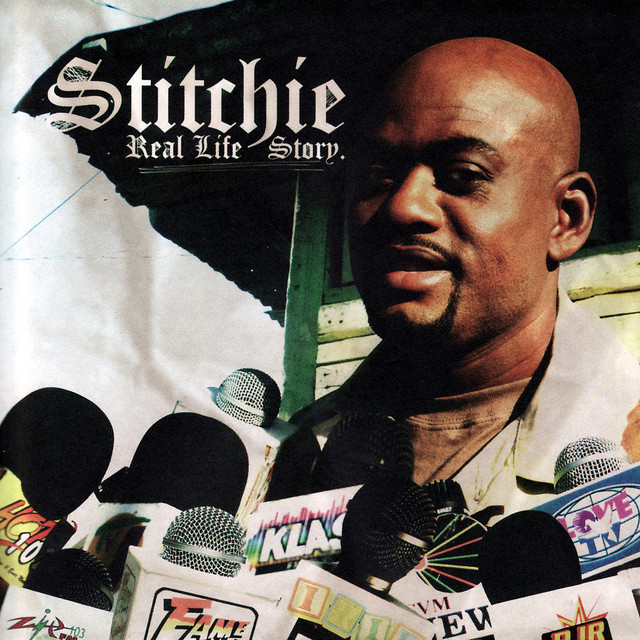
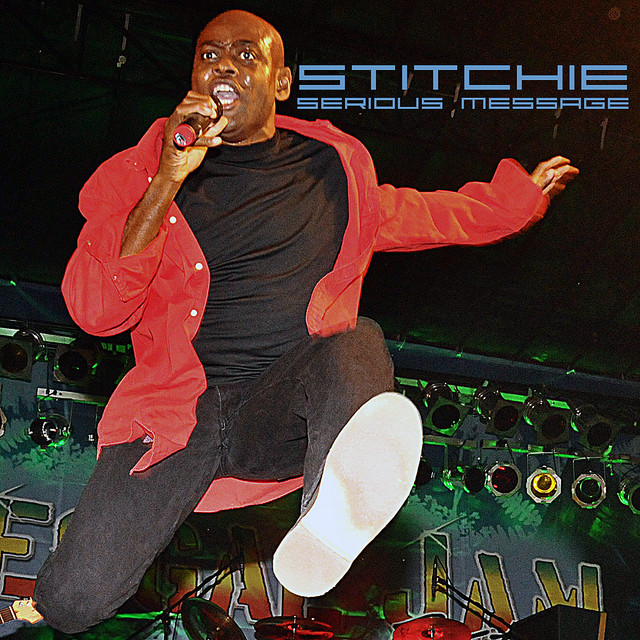
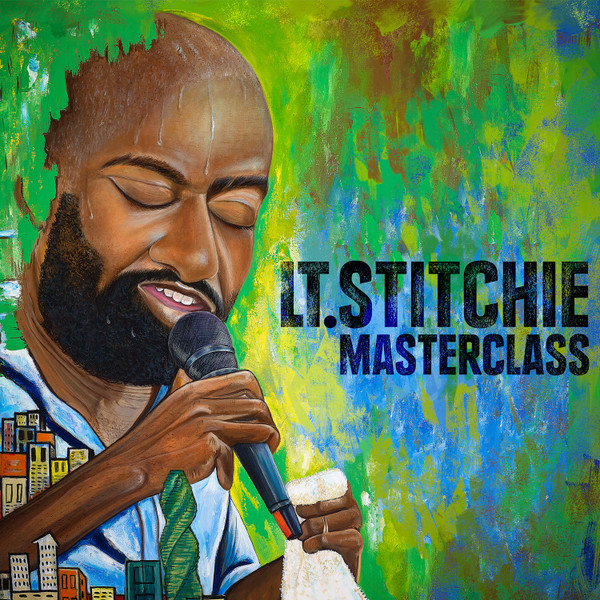
Real Power became an important early project in that gospel period, followed by Kingdom Ambassador, Real Life Story, Serious Message and Masterclass. His later life also encompassed ministry, education, authorship and national recognition.
Across the full arc of his life, Lt. Stitchie's story connects athletics, education, sound-system competition, recording studios, Jamaican labels, an international major-label career, gospel reggae and ministry.