Owner / operator
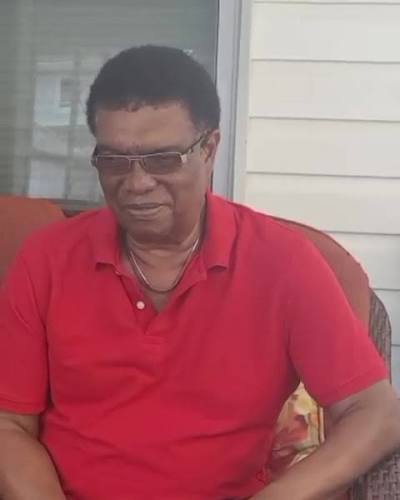
Haldane “Jimmy Metro” James
Took control of the sound in the 1970s and became the figure most closely associated with Metromedia’s ownership and international development.
SOUND SYSTEM · WOODFORD PARK · KINGSTON
A cornerstone of Jamaican sound-system culture whose history links Jimmy Metro, Peter Metro, Sky Juice and generations of selectors and microphone artists.
ORIGINS
Published histories disagree on Metromedia’s exact founding year. The current sound logo says “Since 1971,” while Jamaican newspaper accounts have variously placed Lou Gooden’s beginnings earlier or later. Rather than turn that disagreement into a false date, the Vault preserves the uncertainty.
The ownership history is clearer: Lou Gooden preceded Haldane “Jimmy Metro” James, who took control during the 1970s and developed the sound from its Woodford Park base into an internationally recognized operation.
THE METROMEDIA CREW
Metromedia’s personnel changed over time. The historical record is clearest when ownership, selecting and microphone performance are treated as separate roles rather than calling everyone a “member.”
Took control of the sound in the 1970s and became the figure most closely associated with Metromedia’s ownership and international development.
Worked early dances with Jimmy Metro. This role is kept separate from Peter Metro’s resident-deejay history.
Joined around the beginning of the 1980s and became one of the sound’s defining microphone voices.
Became the sound’s best-known selector and a central personality in its later international identity.
Important microphone artists associated with different periods of the sound.
Part of the later Metromedia crew and continuation of the sound’s selector tradition.
LIVE-DEEJAY ERA
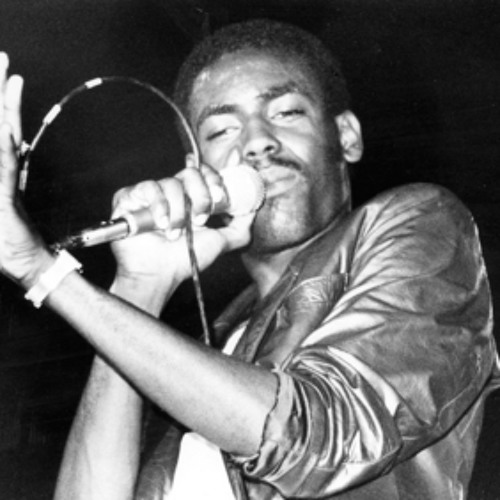
Peter Clarke entered the sound-system world as Peter Ranking. His early development included Stats Sound and Dicky Ranking — later known as Snagga Puss — before he joined Jimmy Metro’s operation around the beginning of the 1980s.
Because another performer was already using the Peter Ranking name, the Metromedia association supplied the name that endured: Peter Metro.
His importance was primarily on the microphone. He became one of the sound’s defining live deejays rather than simply another selector behind the turntables.
Explore Peter Metro →SELECTOR ERA
Dalton “Sky Juice” Bogle became Metromedia’s most recognizable selector. Peter Metro has been credited with backing him for the position after the earlier selector era, helping establish a partnership between selector and microphone crew that became central to the sound’s identity.
Sky Juice’s animated presentation, dubplate selection and longevity eventually made him almost inseparable from the Metromedia name.
FROM DANCE TO RECORD
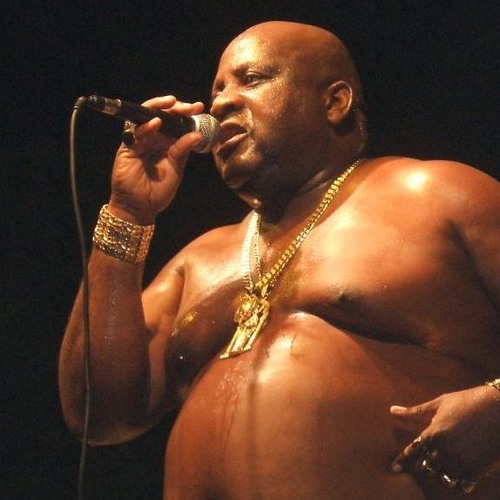
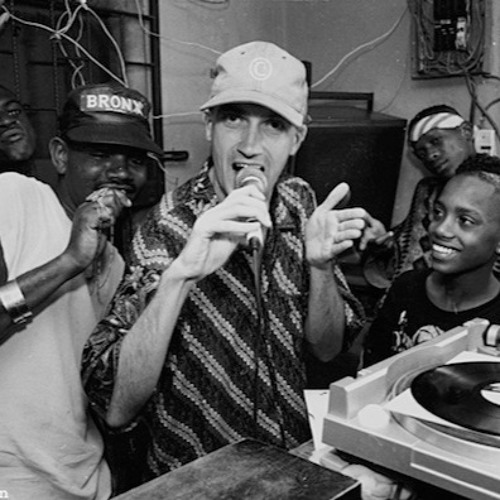
Peter Metro and Dominic developed their “Cockney and Yardie” routine as a live Metromedia performance before Donovan Germain recorded the combination at Tuff Gong in 1987. Peter later remembered periods when they worked four or five nights in a week.
It is another example of a pattern repeated throughout dancehall history: the sound-system dance acted as workshop, test audience and promotional platform before the idea became a commercial record.
INTERNATIONAL ERA
Jimmy Metro has identified a 1984 British tour as a major international breakthrough. Metromedia subsequently developed audiences across Britain, North America, Japan and the Caribbean while maintaining its Jamaican base.
Sky Juice and Oliver represented the sound against King Addies, Mighty Crown, Renaissance, Firelinks and Soul Supreme. Metromedia reached the final with King Addies and won its first World Clash appearance.