BIOGRAPHY
The Story
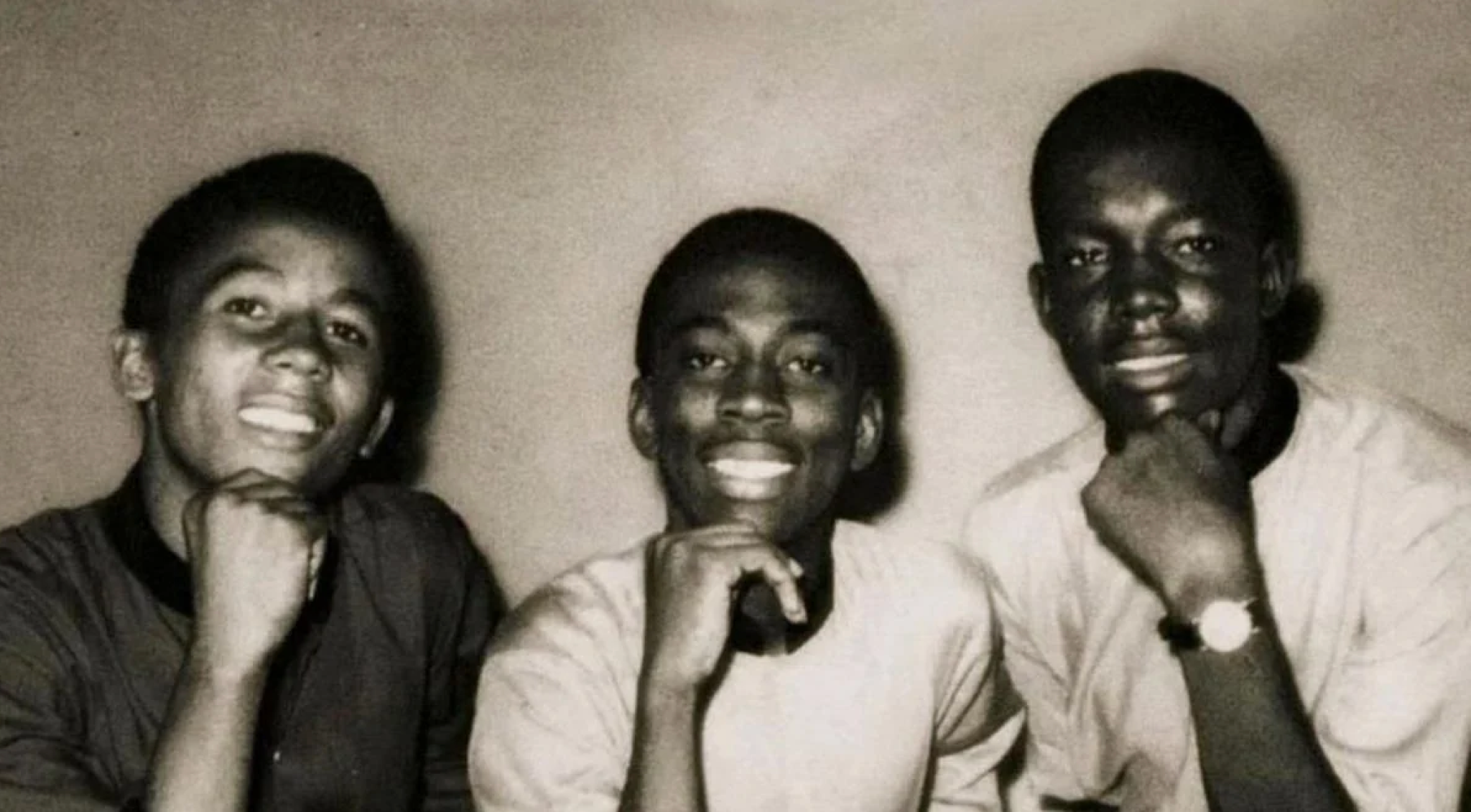
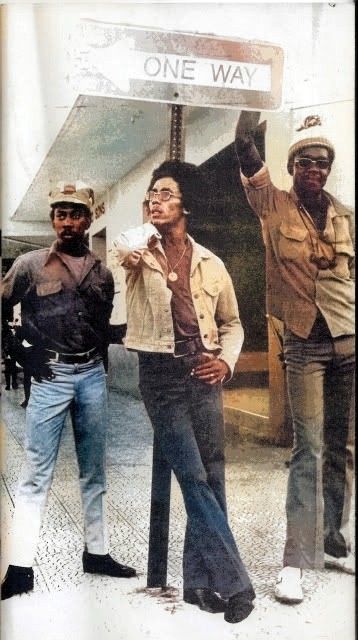
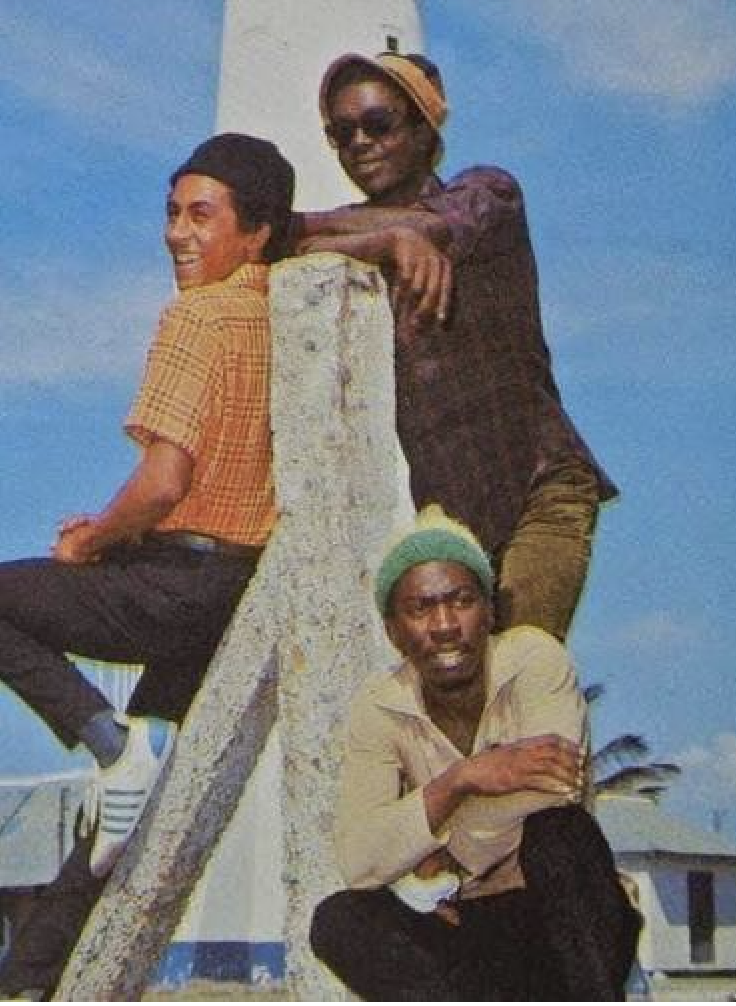
The Wailers began in Kingston in 1963 out of the informal music school created by singer and mentor Joe Higgs in Trench Town. Bob Marley and his childhood friend Neville Livingston, later Bunny Wailer, met Peter Tosh through Higgs. The early Wailing Wailers were larger than the famous trio: Junior Braithwaite, Beverly Kelso and Cherry Smith were also part of the first vocal-group configuration.
Clement “Coxsone” Dodd brought the young group into Studio One. Their early recordings joined American-influenced vocal harmony to Jamaican ska and lyrics rooted in the realities of Kingston life. “Simmer Down” became the breakthrough, followed by recordings including “Rude Boy,” “I’m Still Waiting” and an early “One Love.” As the first lineup changed, Marley, Tosh and Bunny became the group’s enduring core.
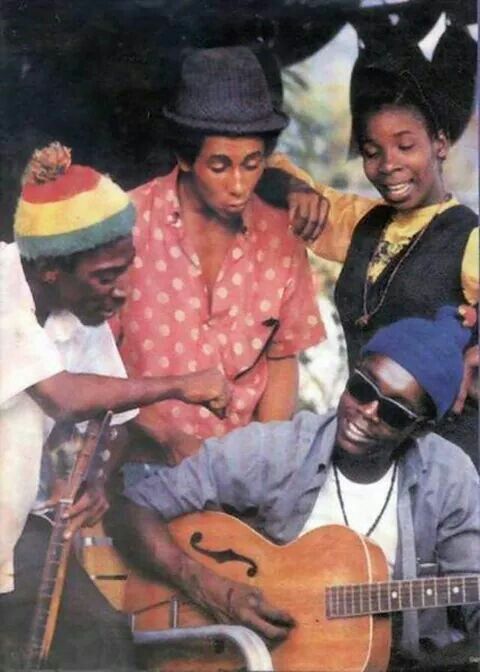
By the later 1960s the trio was moving away from Studio One and toward greater control of its own music. The Wail’N Soul’M operation connected the Wailers with the Soulettes, the group featuring Rita Marley, and issued recordings including “Bend Down Low” and “Mellow Mood.” The label was short-lived, but it established an important pattern of independence that would continue through Tuff Gong.
The relationship with Lee “Scratch” Perry around 1970 transformed the Wailers musically. Perry paired the singers with his Upsetters rhythm section, bassist Aston “Family Man” Barrett and drummer Carlton Barrett. Recordings such as “Soul Rebel,” “Duppy Conqueror” and Peter Tosh’s “400 Years” helped define a tougher roots-reggae sound, while Soul Rebels and Soul Revolution became major album statements from the period.
The Barrett brothers changed the meaning of the Wailers from a vocal group working with studio musicians into a more durable vocal-and-instrumental organization. Family Man became a musical anchor and later bandleader; Carlton’s drumming formed the other half of a rhythm section that would remain fundamental through the international Marley era.
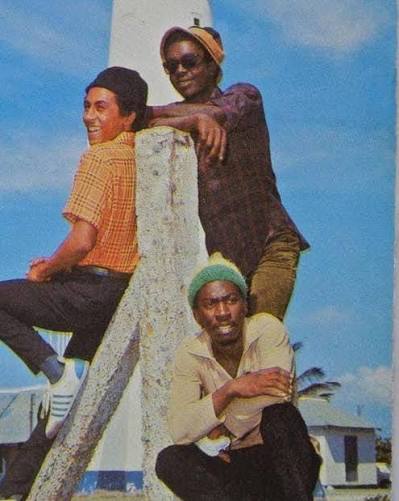
After a difficult period in London, Bob Marley met Island Records founder Chris Blackwell. Island financed a new album, and Catch a Fire arrived in 1973 with Marley, Tosh and Bunny still central to the group. Burnin’ followed the same year, carrying “Get Up, Stand Up” and “I Shot the Sheriff.” These records represent the international culmination of the original Marley–Tosh–Wailer configuration.
The original trio did not survive the demands and changing power structure of international touring. Bunny declined part of the Catch a Fire touring schedule and Joe Higgs temporarily substituted for him; by 1974 both Bunny Wailer and Peter Tosh had left. Their departures were not simply a personnel swap: both men were singers, writers and instrumentalists whose independent careers became major parts of reggae history.
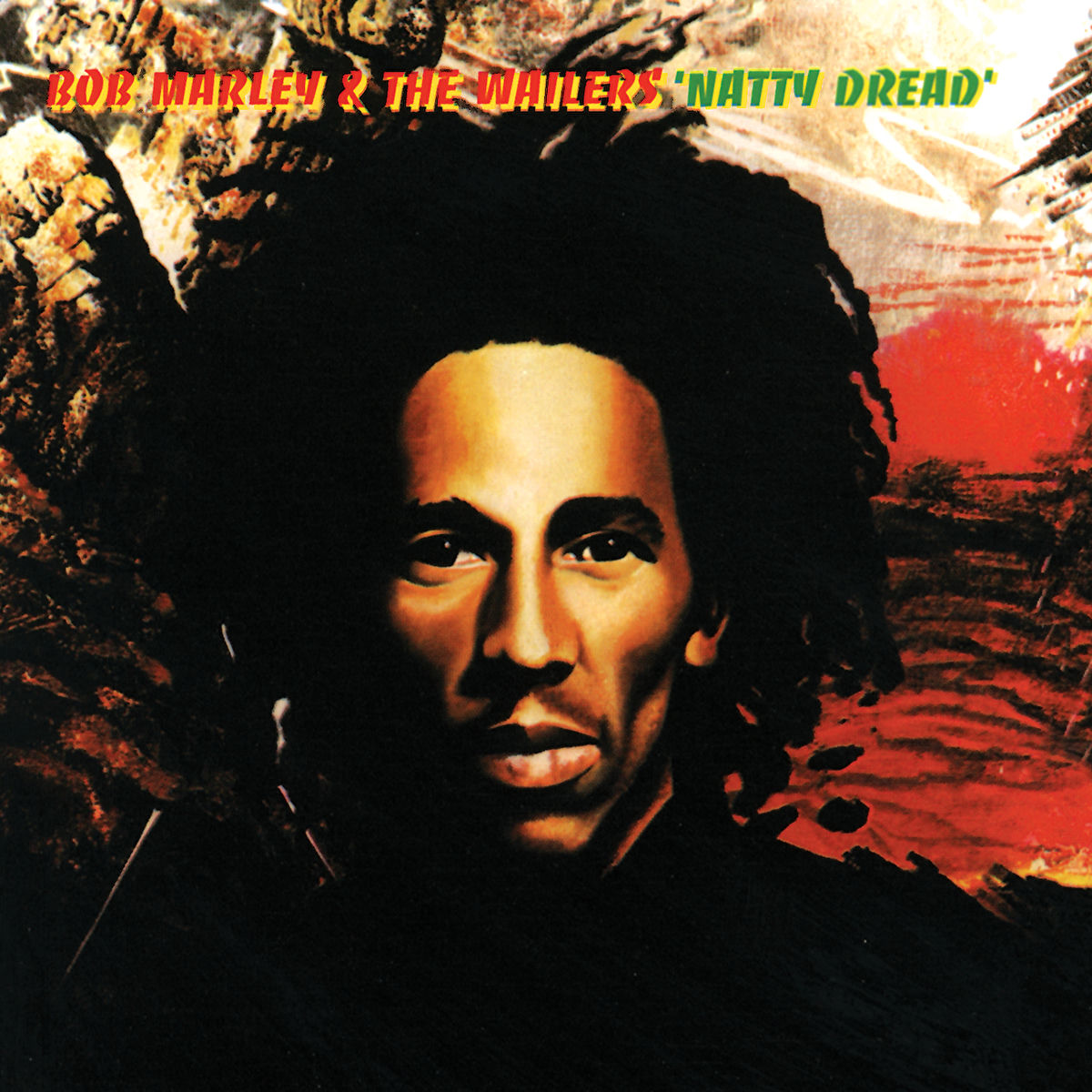
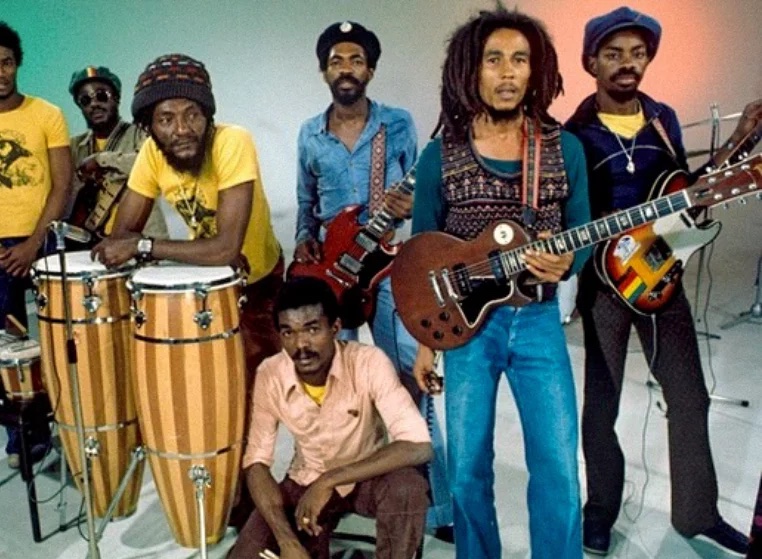
Natty Dread in 1974 marked a structural break. It was the first studio album credited to Bob Marley & The Wailers, the first in that sequence without Tosh and Bunny, and the first with the I-Threes—Rita Marley, Marcia Griffiths and Judy Mowatt. Family Man and Carlton Barrett remained at the rhythmic center, joined across the era by musicians including Al Anderson, Junior Marvin, Tyrone Downie, Earl “Wya” Lindo and Alvin “Seeco” Patterson.
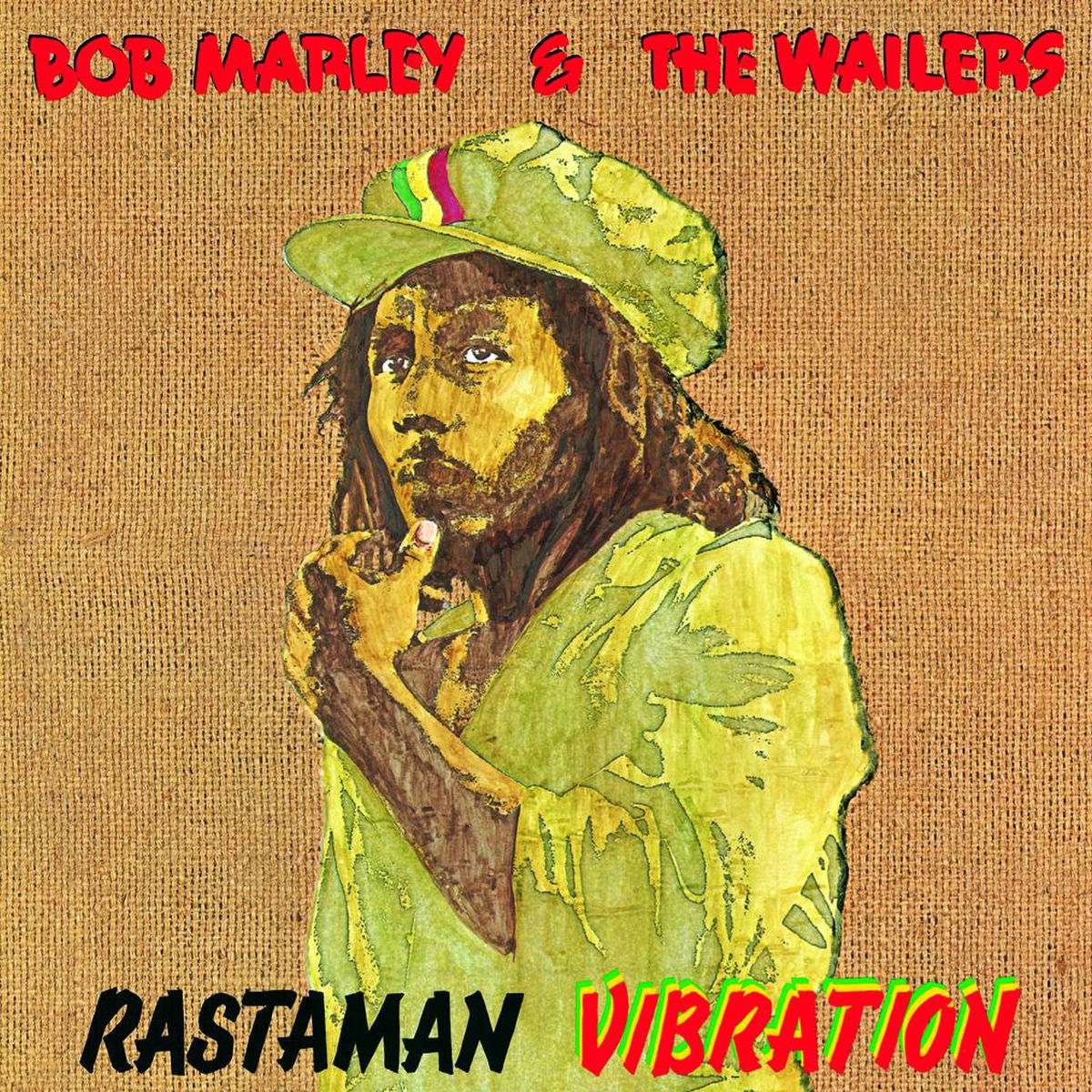
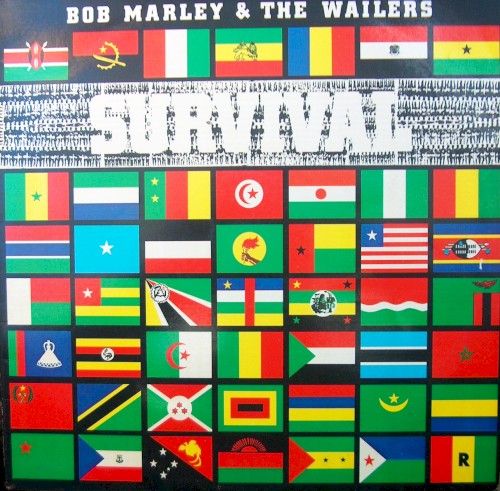
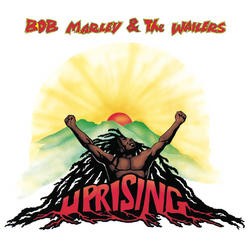
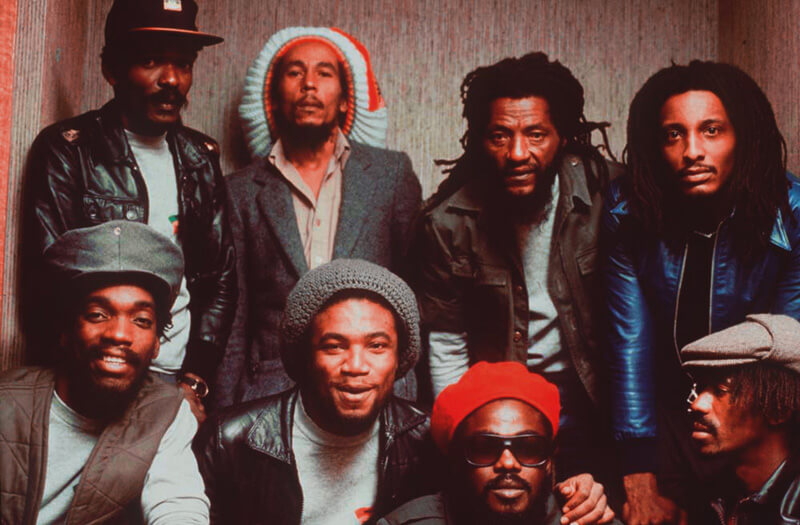
The later organization produced Rastaman Vibration, Exodus, Kaya, Survival and Uprising and became one of the world’s defining reggae bands. The I-Threes’ harmonies and stage presentation were integral to that identity, while the Barrett-led instrumental band provided continuity as personnel changed. Major performances included the One Love Peace Concert, Zimbabwe’s 1980 independence celebrations and the final Uprising tour.
Bob Marley’s death in 1981 ended the Marley-led organization, but it did not end the Wailers musical lineage. Family Man Barrett became the principal continuity figure in the post-Marley Wailers Band, with former Marley-era musicians participating in later touring and recording. Albums including I.D., Majestic Warriors and Jah Message belong to this post-Marley history rather than to Bob Marley’s solo catalogue.
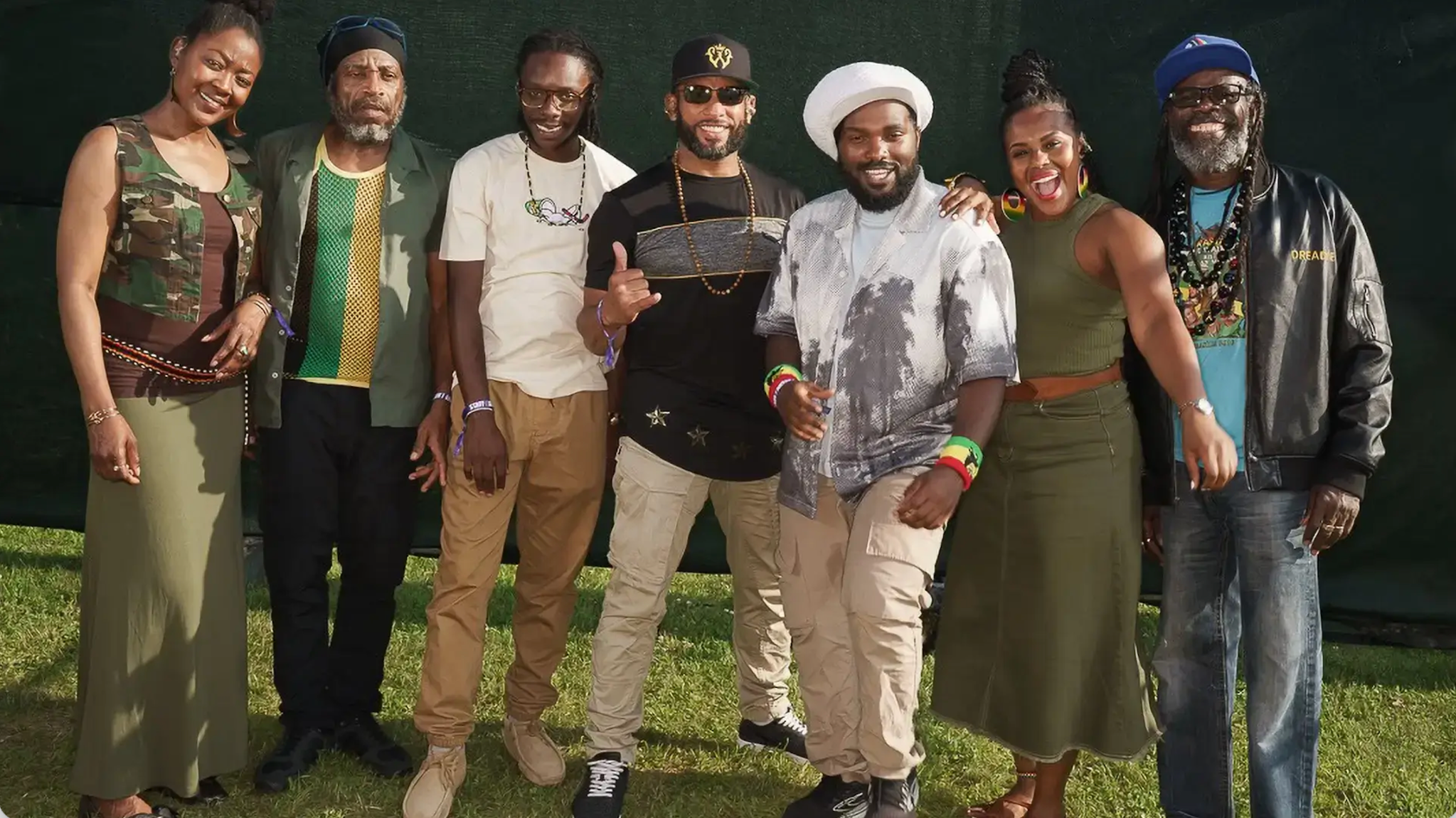
In the contemporary era the lineage is led by Aston Barrett Jr., son of Family Man and nephew of Carlton Barrett. The modern Wailers are a new-generation organization, not the 1963 vocal group, but they explicitly carry forward the Barrett/Wailers repertoire and musical tradition. In 2026 the band is marking fifty years of Rastaman Vibration under Barrett Jr.’s leadership.
The Wailers story is therefore best understood as connected eras rather than one permanent lineup: an early six-member vocal group, the Marley–Tosh–Wailer trio, the Barrett-powered Island band, Bob Marley & The Wailers with the I-Threes, the post-1981 Wailers Band, and a modern organization carrying the lineage into another generation.