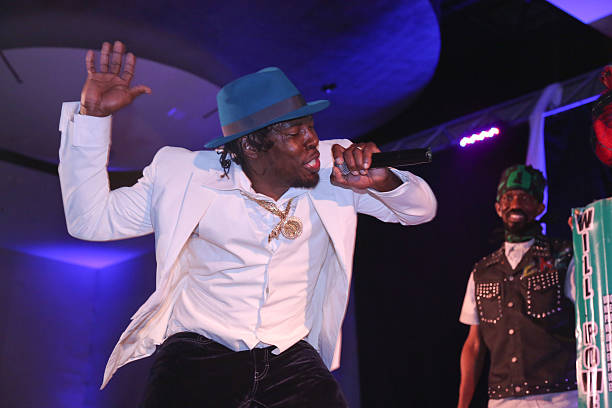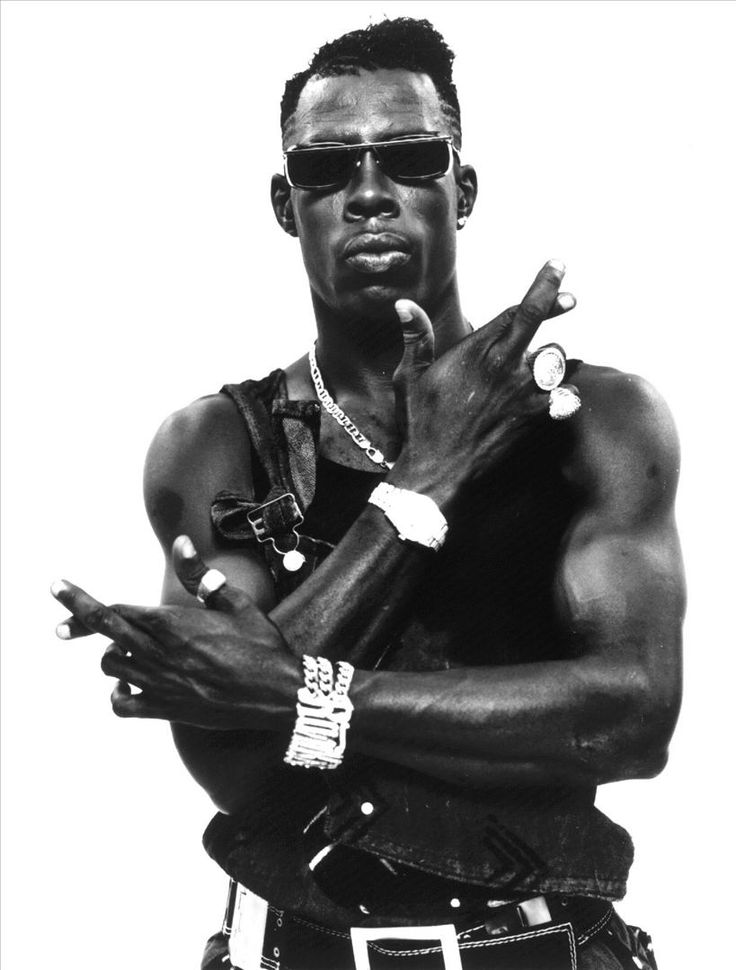
Shabba Ranks portrait

ARTIST

Shabba Ranks

Dancehall Artist · Deejay

REAL NAMERexton Rawlston Fernando Gordon
ORIGINSt. Ann, Jamaica · raised in Kingston
ACTIVE1980s–present

A defining voice of late-1980s and early-1990s dancehall whose sound-system apprenticeship, Jamaican studio work and major-label breakthrough helped carry dancehall into the international mainstream.

BIOGRAPHY

The Story

Rexton Rawlston Fernando Gordon was born on January 17, 1966, in St. Ann, Jamaica. His family moved to Kingston while he was still a child, and he later became closely associated with Seaview Gardens. As a young listener he studied Jamaican deejays and developed his own microphone style within the sound-system tradition.

Before he became Shabba Ranks, he performed under the name Co-Pilot. Roots Melody was an important early proving ground, and Admiral Bailey was among the artists associated with that environment. Veteran deejay Josey Wales became an important mentor and helped connect the young deejay to King Jammy’s camp.

At Jammys, Shabba developed from a live microphone talent into a prolific recording artist. The relationship linked him to the digital dancehall revolution and to recordings including “Original Fresh,” “Love Punany Bad” and “Peenie Peenie.” As with other Jamaican operations, the Jammys sound system, studio, producer and labels must be treated as related but distinct roles.

When engineer Bobby Dixon left the Jammys camp and established Digital B, Shabba became one of the artists central to the new operation. Their late-1980s and early-1990s work helped define Shabba’s heavy, gruff vocal presence on record.

Shabba also worked extensively with producer Gussie Clarke and Music Works. His collaborations with Home T and Cocoa Tea, including material associated with “Pirates’ Anthem” and “Mr. Loverman,” helped widen his audience and connected Jamaican dancehall production to an increasingly international market.

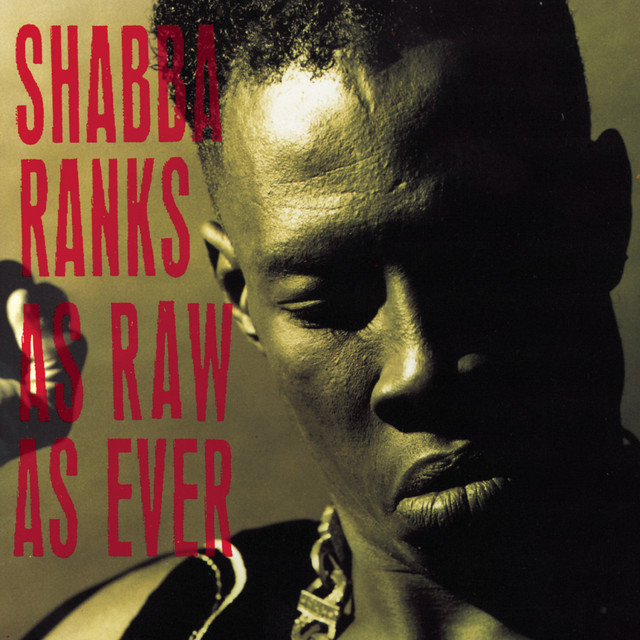
In 1991 Shabba entered a major-label phase with Epic Records. As Raw as Ever paired his Jamaican dancehall identity with crossover collaborations and reached number one on the U.S. R&B album chart. The album later earned the Grammy Award for Best Reggae Album.

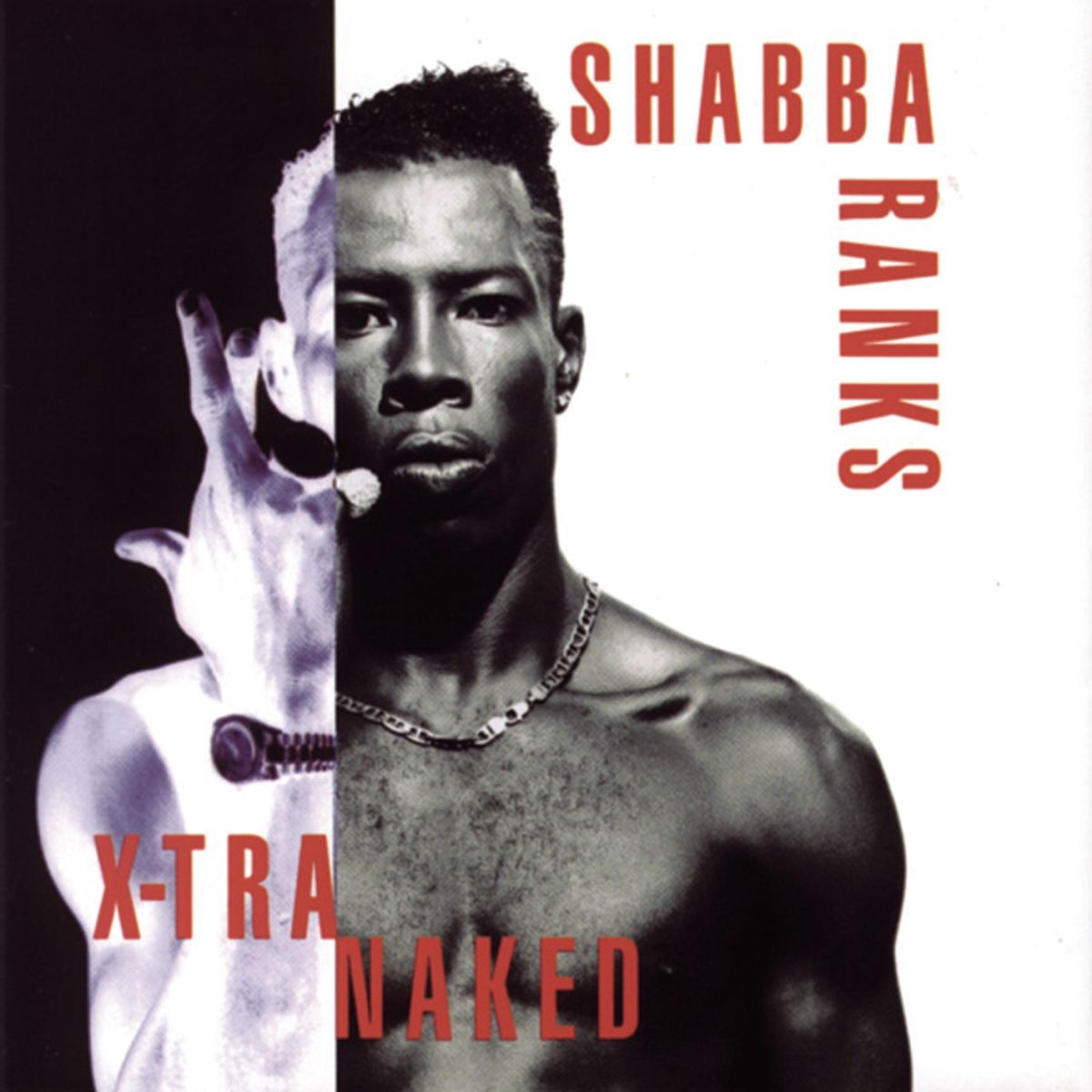
X-tra Naked followed in 1992, with recordings made across Jamaican and U.S. studios including Digital B, Music Works, Mixing Lab, Penthouse and New York facilities. It won Shabba a second consecutive Grammy for Best Reggae Album, making his international success a landmark chapter in dancehall history.

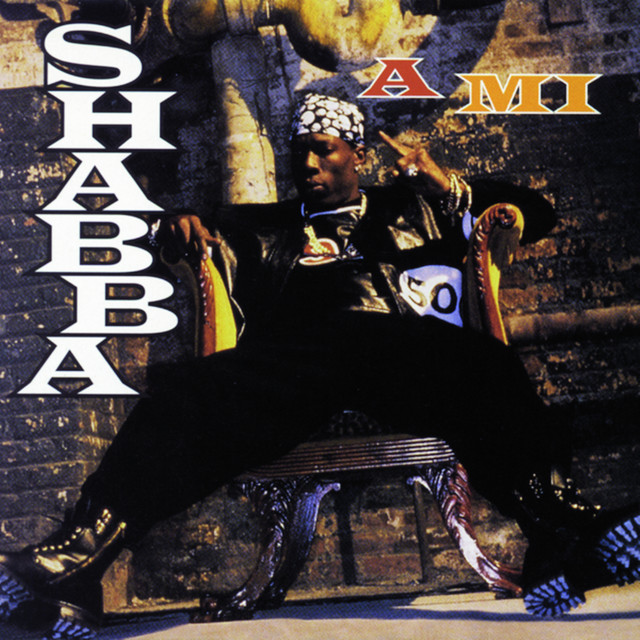
His Epic period continued through A Mi Shabba in 1995. By then Shabba had become one of the most recognizable Jamaican performers internationally, with collaborations spanning reggae, R&B and hip-hop.

His career also includes controversy. Comments made during a 1993 appearance on the British television programme The Word about homosexuality drew major criticism. The episode remains part of the public record and should be understood in the context of debates around dancehall lyrics, public speech and the international reception of Jamaican music.

Although his recording output later slowed, Shabba’s influence remained visible in dancehall’s vocal style, image and international ambitions. His career connects the Jamaican sound-system tradition, the digital revolution, independent Jamaican production and the major-label globalization of dancehall.
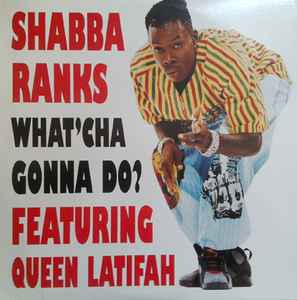
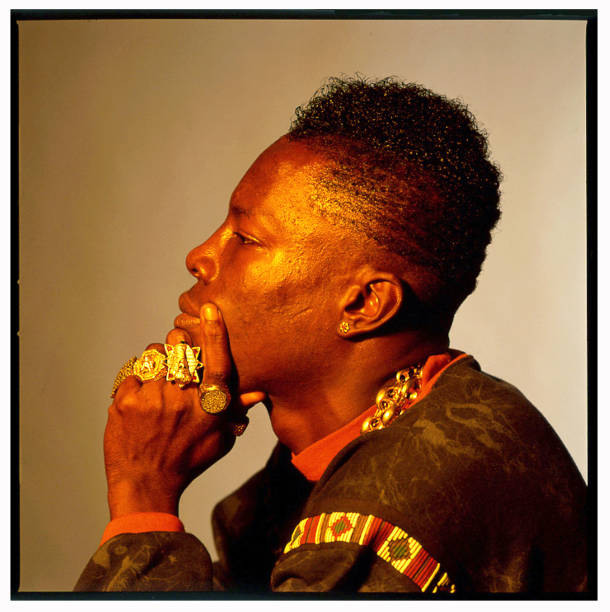
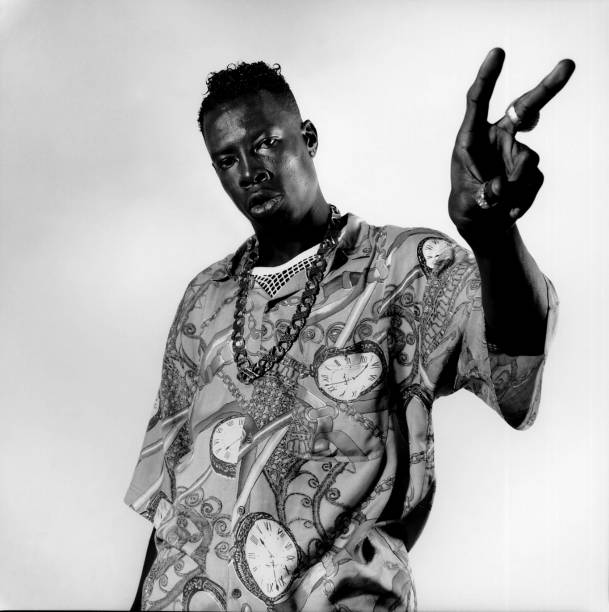
Shabba Ranks early in his career

SOUND SYSTEM ROOTS

Roots Melody, Co-Pilot & Josey Wales

Before the international records, Shabba learned the craft as a live microphone deejay. Performing as Co-Pilot on Roots Melody placed him inside the sound-system tradition, while Josey Wales became an important mentor and bridge into King Jammy’s camp.

This period matters because Shabba’s later studio success grew out of skills developed live: timing, improvisation, commanding a dance and voicing rapidly over changing riddims.

INTERNATIONAL BREAKTHROUGH

Two Consecutive Grammys

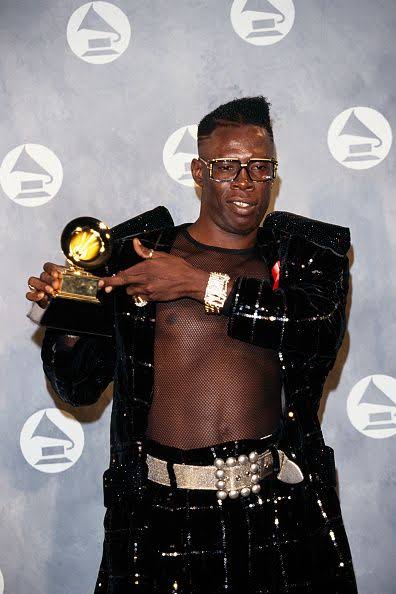
As Raw as Ever won Best Reggae Album, making Shabba the first dancehall artist to win the award. X-tra Naked followed with another win the next year.

The achievement marked more than personal success: it placed Jamaican dancehall at the center of the international recording industry during the early 1990s.

Shabba Ranks holding a Grammy Award

CAREER TIMELINE

From Sound System to Global Dancehall

1966

Born in St. Ann

Born Rexton Rawlston Fernando Gordon on January 17, 1966.

Early 1980s

Roots Melody / Co-Pilot

Developed as a live deejay on Roots Melody, initially using the name Co-Pilot.

Mid-1980s

Josey Wales mentorship

Veteran deejay Josey Wales helped guide Shabba and connect him to King Jammy’s camp.

Late 1980s

King Jammys

Built a prolific recording career during the digital dancehall era.

1989

Digital B

Continued working with Bobby Digital as the producer/engineer established his own operation.

1989–1990

Music Works

Work with Gussie Clarke, Home T and Cocoa Tea expanded Shabba’s Jamaican and international profile.

1991

Epic / As Raw as Ever

Major-label breakthrough; As Raw as Ever reached No. 1 on the U.S. R&B album chart.

1992

First Grammy

As Raw as Ever won Best Reggae Album, a landmark for dancehall.

1992

X-tra Naked

Released the second Epic studio album, featuring Jamaican and U.S. recording sessions.

1993

Second Grammy

X-tra Naked won Best Reggae Album, giving Shabba consecutive Grammy victories.

1993

The Word controversy

A British television appearance generated widespread criticism over comments concerning homosexuality.

1995

A Mi Shabba

Third Epic studio album and the final major-label studio album of that run.

Later career

International legacy

Continued performing while his influence remained central to dancehall’s global history.

DISCOGRAPHY

Albums & Major Projects

Regional editions of the same album project are grouped rather than treated as unrelated albums.

Dancehall Era

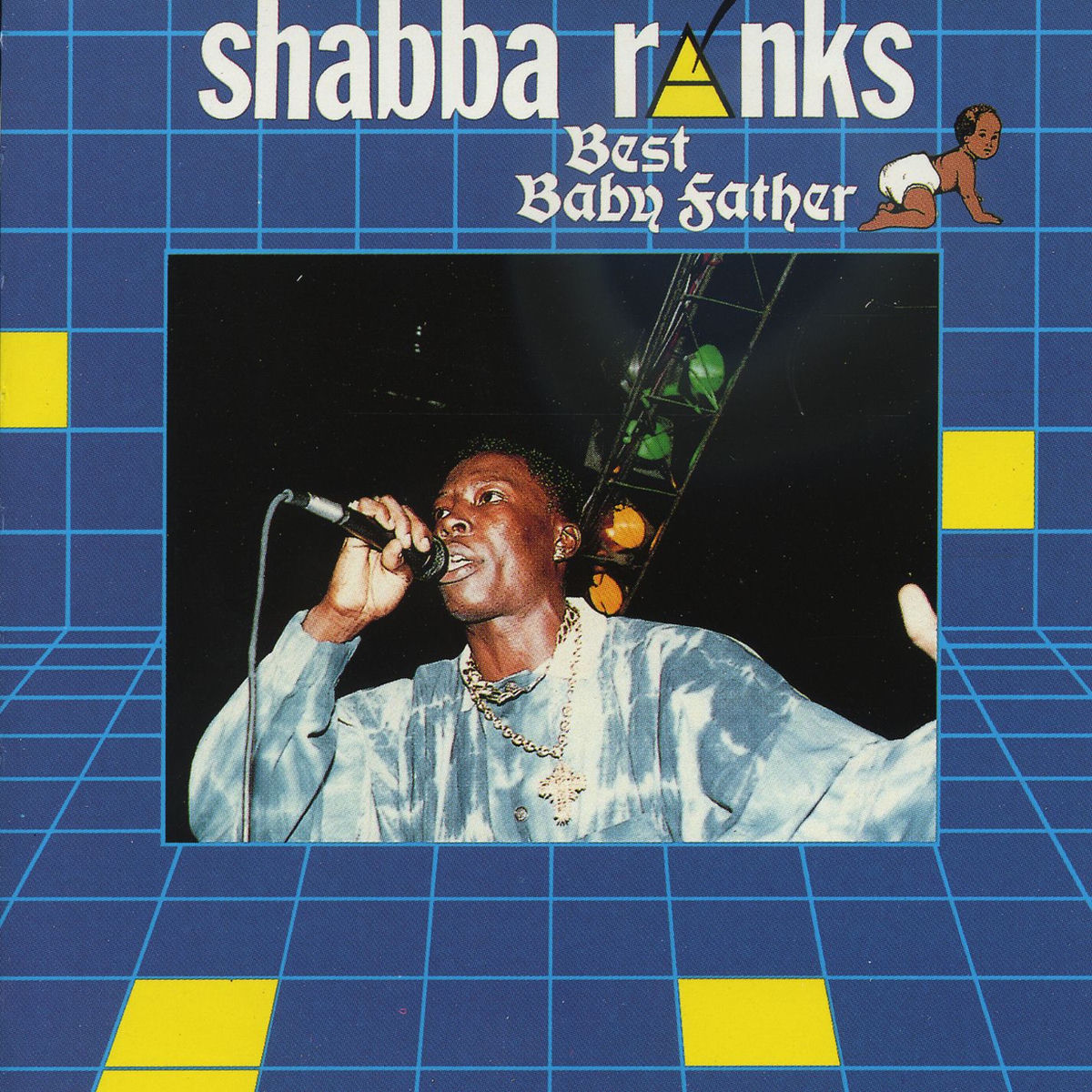
Best Baby Father cover

Best Baby Father

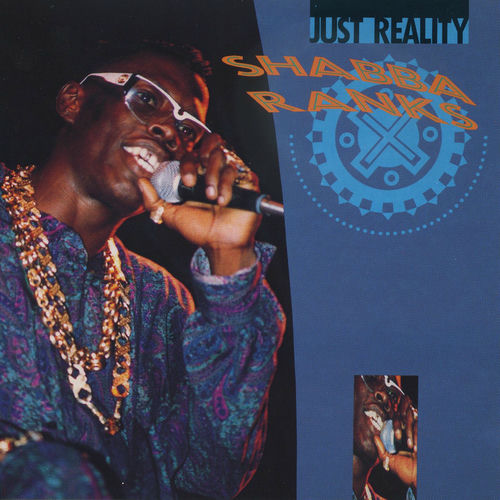
Just Reality cover

Just Reality

1990/91

Sources differ on release dating by territory/edition.
As Raw as Ever cover

As Raw as Ever

1991 · Epic

X-tra Naked cover

X-tra Naked

1992 · Epic

A Mi Shabba cover

A Mi Shabba

1995 · Epic

RECOGNITION

Awards & Honors

Grammy Award — Best Reggae Album, As Raw as Ever
Grammy Award — Best Reggae Album, X-tra Naked
Order of Distinction, Jamaica

RELATED STORIES

From the Vault