BIOGRAPHY
The Story
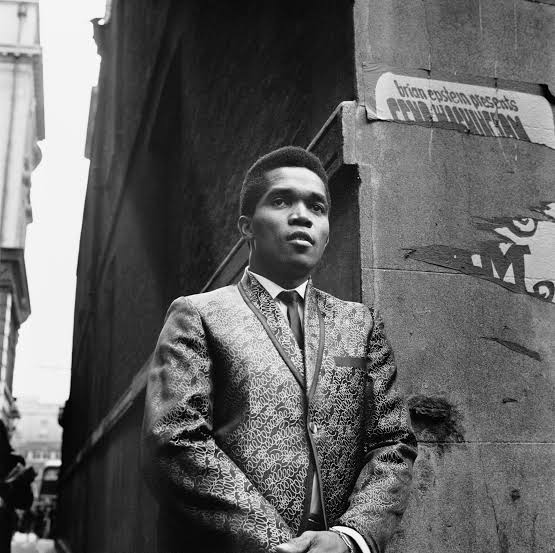
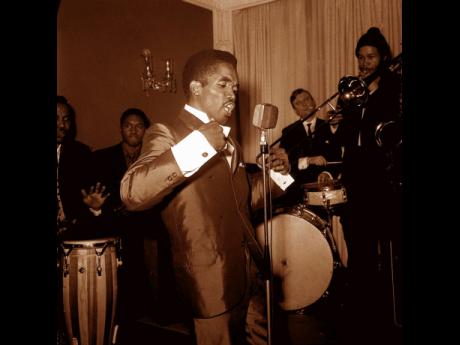
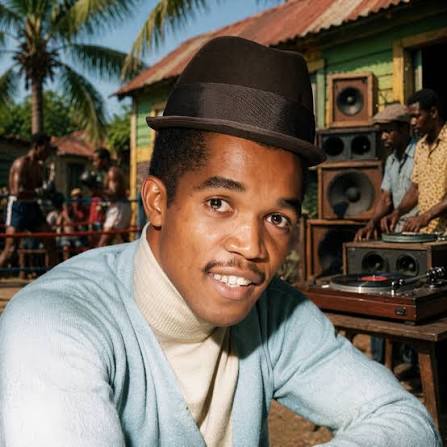
Cecil Bustamente Campbell grew up in Kingston in an environment where street life, boxing, clubs and sound systems overlapped. Before becoming Prince Buster, he boxed and worked around live entertainment, experiences that proved useful in the competitive world of Jamaican sound-system dances. His story therefore begins before the recording studio: with the emerging infrastructure through which Jamaicans heard new music.
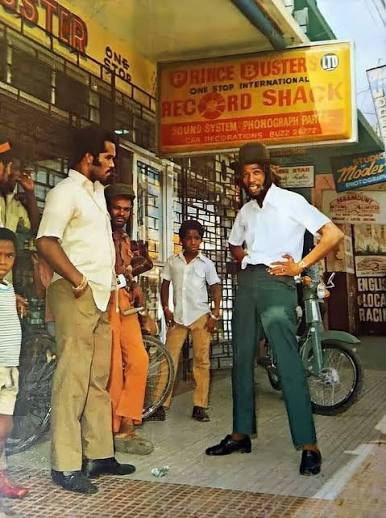
Buster opened Buster's Record Shack and established the Voice of the People sound system. Instead of relying only on imported American rhythm and blues, he increasingly turned toward locally recorded music. The shop, sound system and later record imprints formed an integrated Jamaican music business: recordings could be produced, promoted through the sound and sold through the shop.
Buster's importance cannot be measured only by records bearing his own name. He organized sessions for other Jamaican singers and musicians and issued productions through a changing network of imprints. Voice of the People, Wild Bells and later labels associated with his operation helped make him one of the defining independent producers of the early 1960s.
Among Buster's landmark early productions was the Folkes Brothers' "Oh Carolina", recorded with Count Ossie and Nyabinghi musicians. Bringing Rastafari-associated hand drumming into a commercial popular recording was a striking intervention in Jamaican music at the beginning of the 1960s. The recording belongs in Buster's history as a production rather than being misrepresented as one of his own vocal singles.
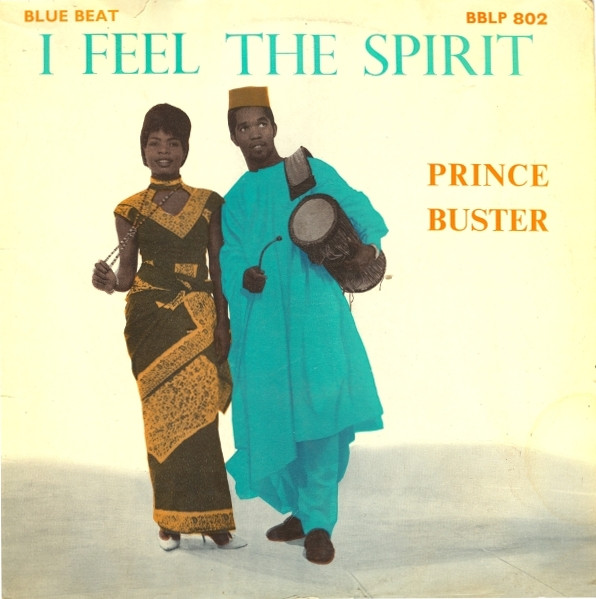
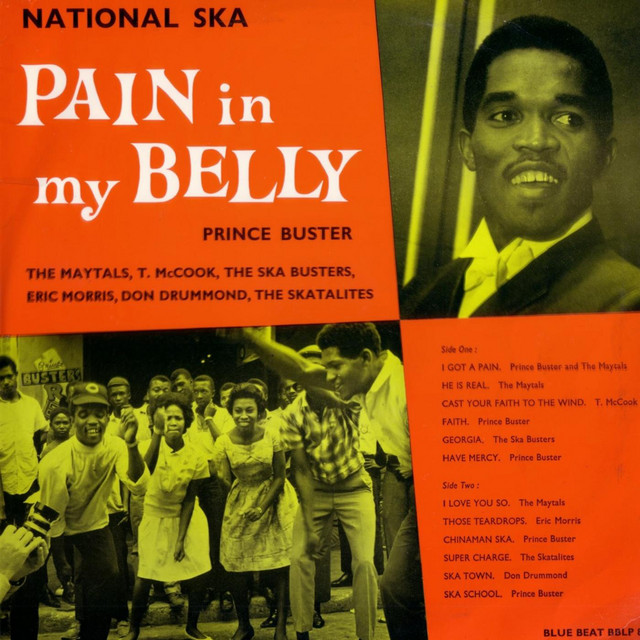
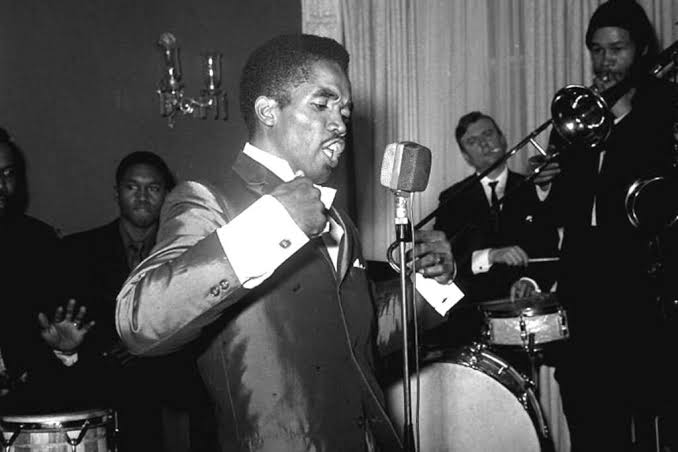
Prince Buster became one of the major artists and producers of the ska era. His recordings travelled to Britain through Blue Beat and Melodisc, giving him an unusually strong British following. The 1963 LP I Feel the Spirit gathered material from this prolific period and included "Madness", a song whose influence would become especially visible during Britain's later ska revival.
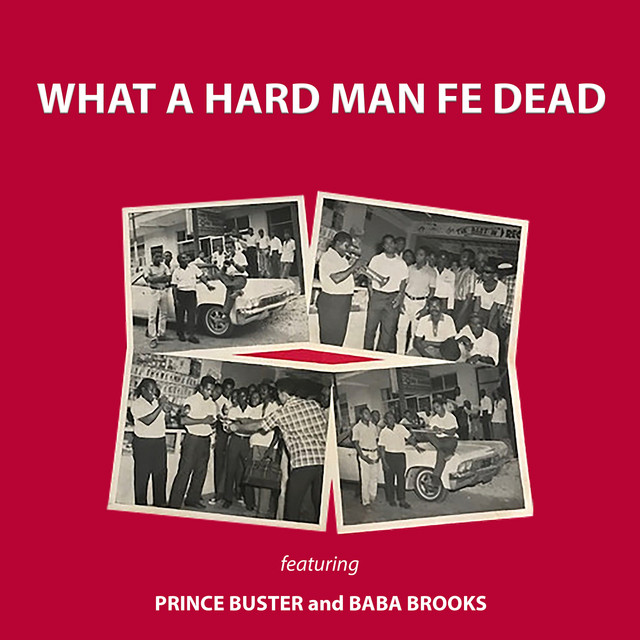
Buster's relationship with Derrick Morgan moved from production and collaboration into a celebrated musical rivalry. The two answered one another through records, creating an early example of Jamaican artists conducting a public confrontation on vinyl. The episode anticipates aspects of the clash and answer-record culture that would become increasingly prominent in later Jamaican music, while remaining rooted in the specific ska-era circumstances of Buster and Morgan.
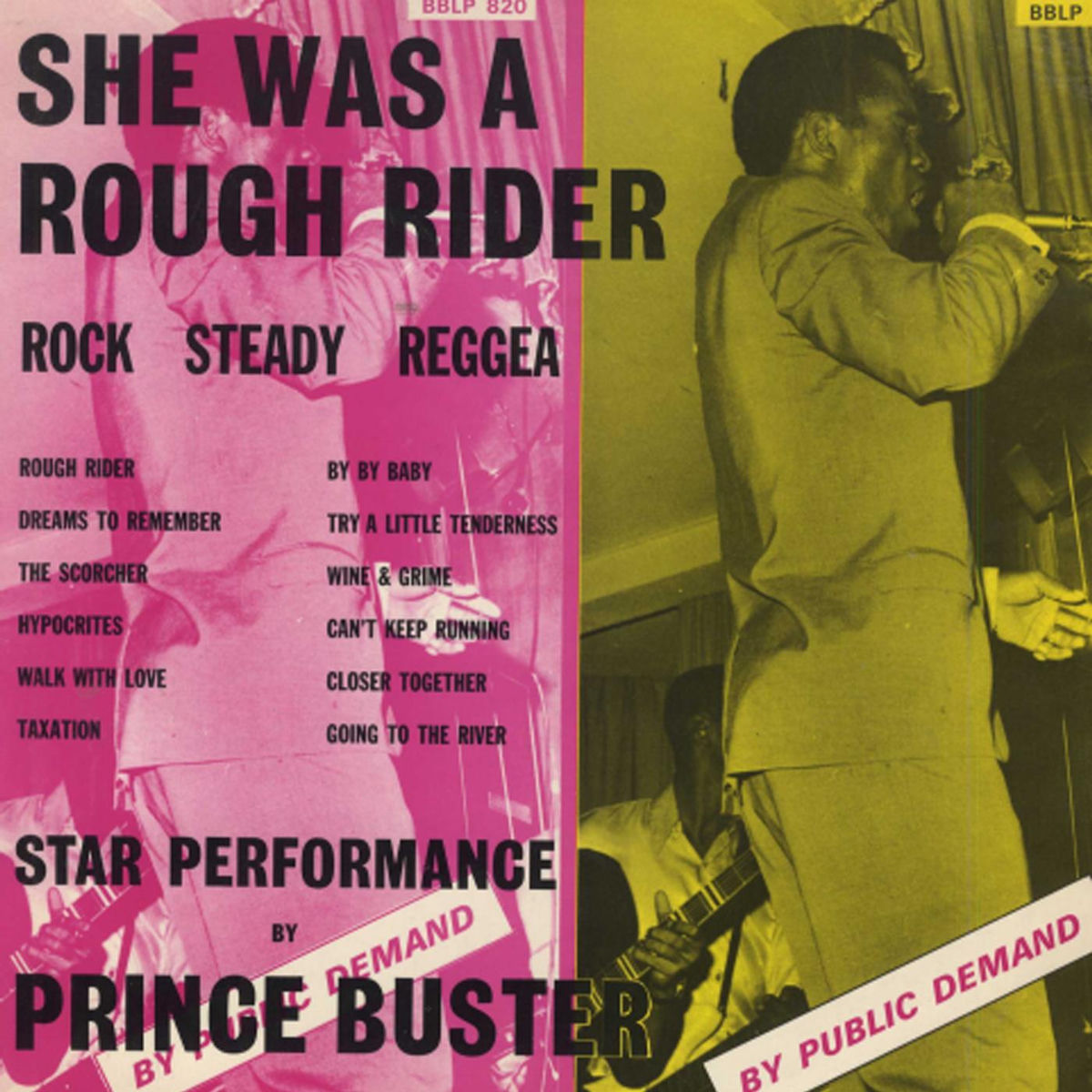
As Jamaican music slowed from ska toward rocksteady, Buster adapted. His Judge Dread recordings used a fictional magistrate to address the rude-boy culture of the period through exaggerated judgments and comic social commentary. This Judge Dread character should not be confused with the later British performer who adopted Judge Dread as a stage name.
Buster's conversion to Islam in the 1960s became part of both his personal identity and his business history. An Islam imprint appeared among the labels associated with his output. The religious chapter sits alongside—not in place of—his continuing work as producer, performer and entrepreneur.
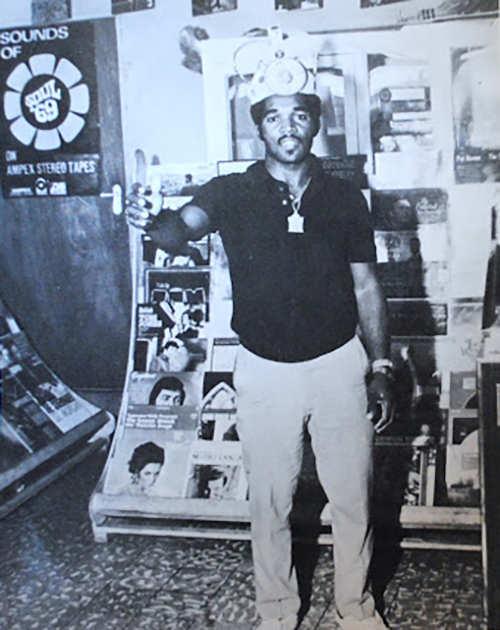
Buster remained part of Kingston's music infrastructure as Jamaican popular music moved beyond ska and rocksteady. A 1972 photograph supplied for this archive shows Big Youth with Prince Buster at Buster's Record Shack in Kingston, visually connecting Buster's pioneering generation with the rising deejay era.
Buster's British influence became newly visible in the late 1970s. The band Madness took its name from his recording "Madness", recorded "One Step Beyond", and paid explicit tribute to him. His catalogue became one of the Jamaican foundations from which Britain's 2 Tone generation drew inspiration.
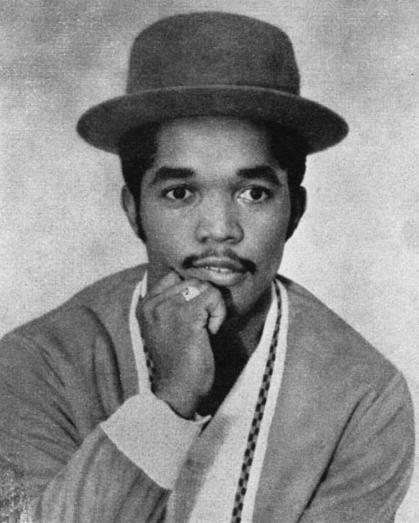
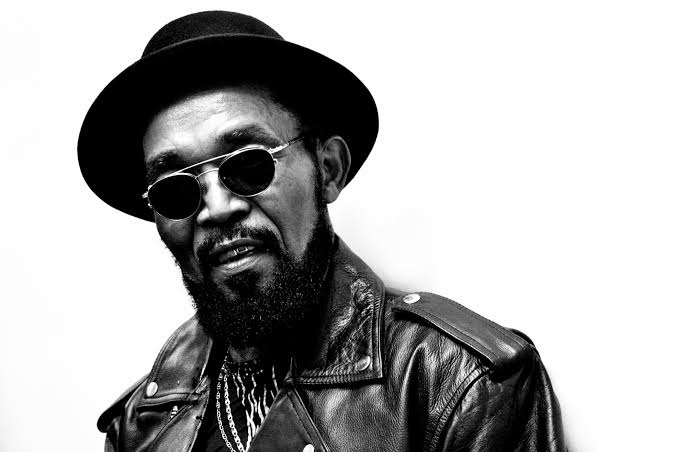
Prince Buster's influence ultimately extended far beyond the commercial lifespan of first-wave ska. His work linked sound systems, independent Jamaican production, record retail, ska, rocksteady and the international circulation of Jamaican music. He died in 2016, leaving a catalogue whose influence can be heard in Jamaican music and successive British ska movements.