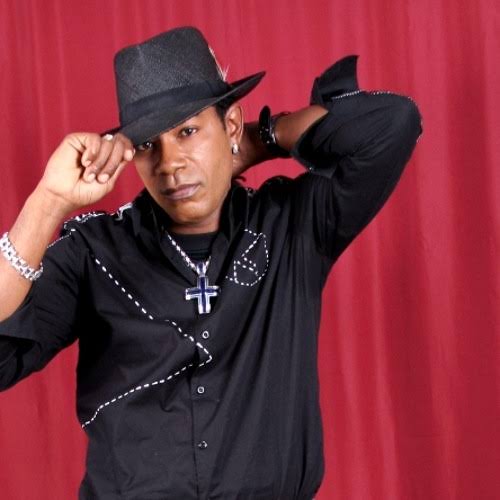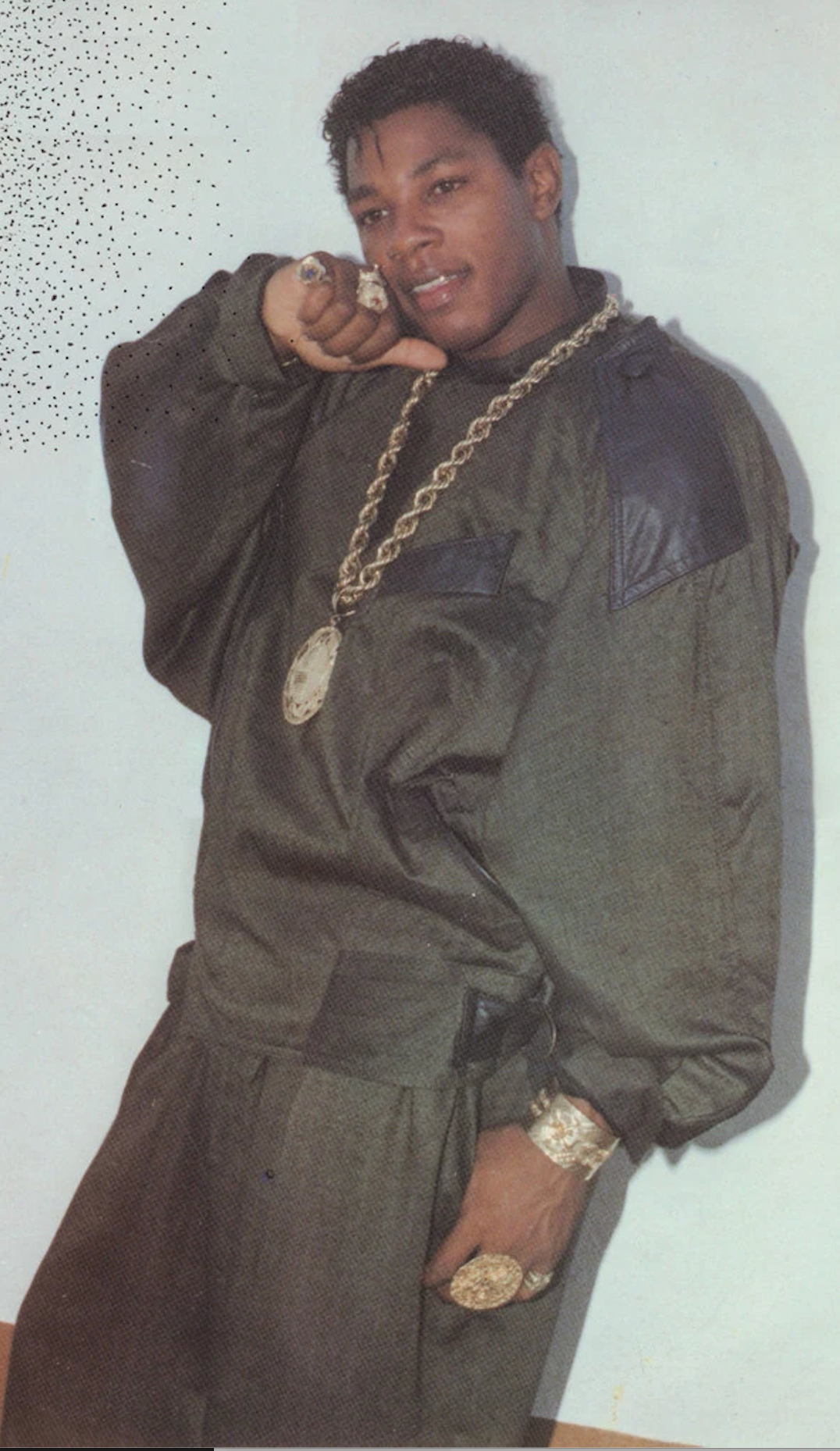
Pinchers portrait

ARTIST

Pinchers

Dancehall Singer · Singjay

REAL NAMEDelroy Thompson
ORIGINJamaica
ACTIVE1980s–present

A distinctive singer and singjay of digital dancehall whose work with King Jammy and Philip “Fatis” Burrell produced enduring records including Agony, Lift It Up Again and Bandelero.

BIOGRAPHY

The Story

Pinchers is the stage name of Delroy Thompson. Published sources disagree on his precise 1965 birth date, so the Vault does not assign a day and month until stronger primary documentation resolves the conflict.

He began recording as a teenager. Early work appeared through Blue Trac, and he spent time in Britain around 1985. By 1986, Borrow No Gun, Abrakabra, Eat Man and Jailhouse Hot were helping establish him.

Pinchers emerged through sound-system culture and later recalled finding his way to Jammy’s Waterhouse studio to voice dubplates. The evidence supports a close relationship with the Jammys environment, but not yet a claim that he was a permanent resident artist of Jammy’s Super Power.

King Jammy became central to his rise. Borrow No Gun was an early success, but Agony transformed Pinchers into a major dancehall singer. The Jammys period extended well beyond one record.

At roughly the same time, Pinchers built an equally important relationship with Philip “Fatis” Burrell. Fatis’s Vena label issued Lift It Up Again, a major dance tune on the Answer riddim. Their work continued through Mass Out and later Exterminator-era recordings.

Pinchers’ melodic delivery occupied the singer/singjay side of digital dancehall during an era often remembered primarily for deejays. He could ride computerized rhythms without abandoning melody and extended vocal ornamentation.

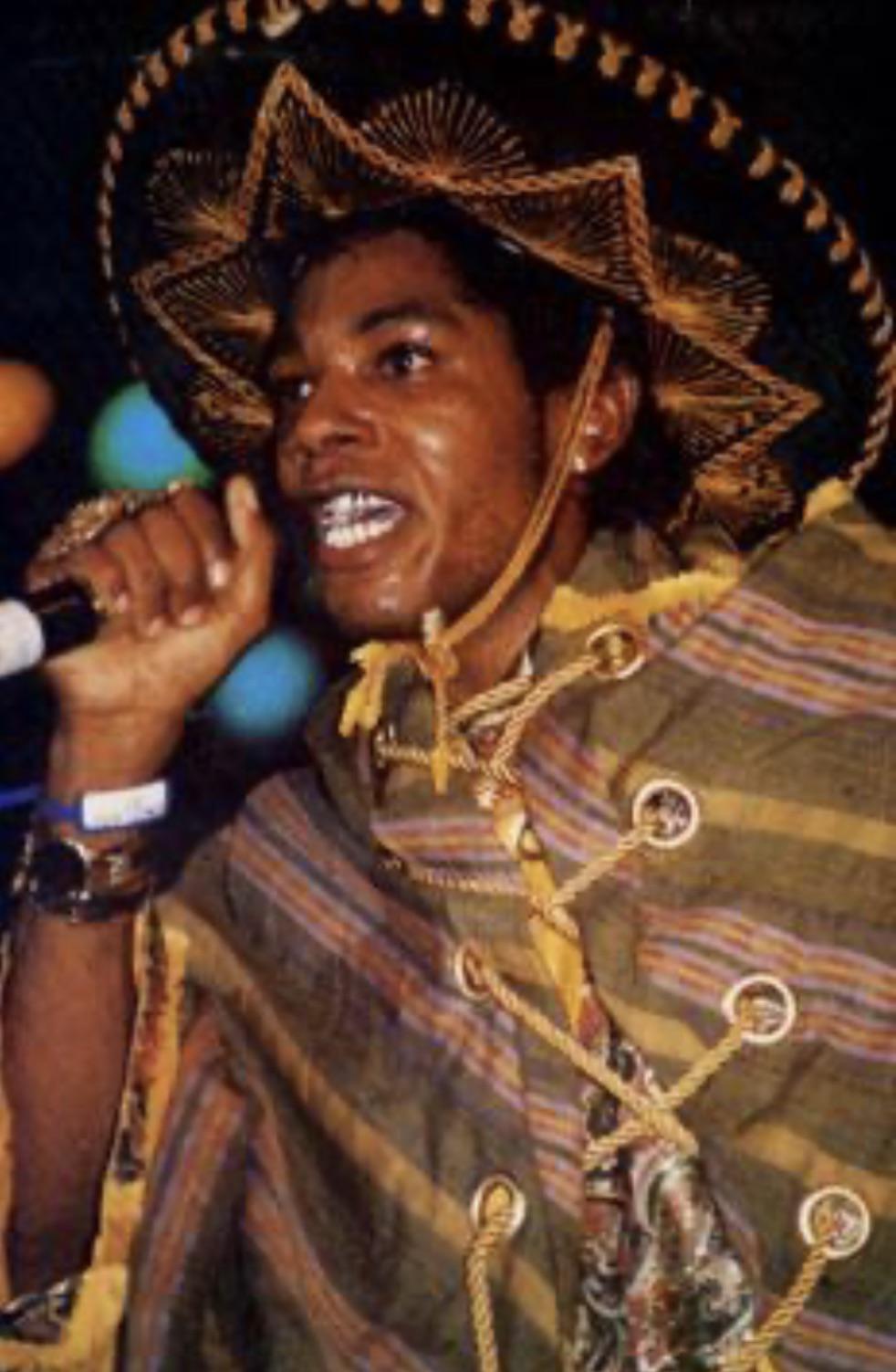
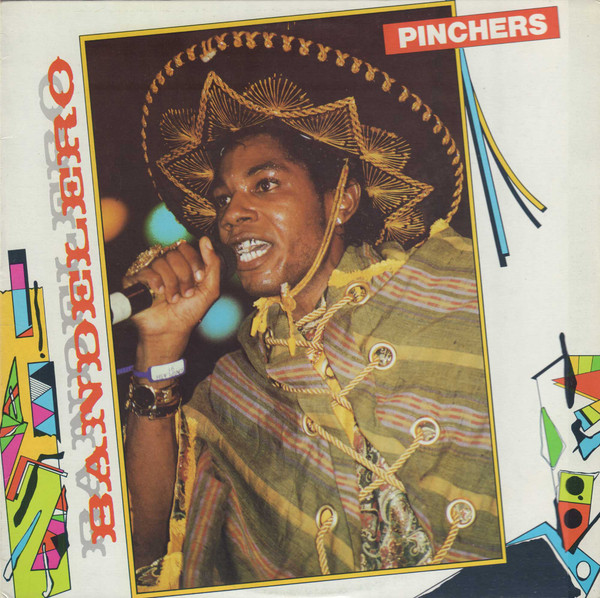
Around 1990–91, Bandelero became the song most permanently associated with him. The western imagery surrounding the record developed into a recognizable stage persona: sombreros, ponchos, elaborate suits and Don/bandit imagery became recurring parts of his visual identity.

His 1990s work extended beyond Bandelero. He recorded for Bobby Digital, Xterminator, Penthouse, Jammys and numerous other producers, with songs including Carpenter, Cross Them Bridge and later combinations.

Pinchers also participated in dancehall’s competitive live culture. Retrospective material documents a Sting confrontation involving Pinchers, Sanchez, Courtney Melody and Conroy Smith. The Vault treats this as performance history rather than recasting him as a specialist clash deejay.

In January 2015, Pinchers was shot in the left arm during an attack in Queenborough, St Andrew, in which two other men were killed. He survived and later returned to recording and performance.
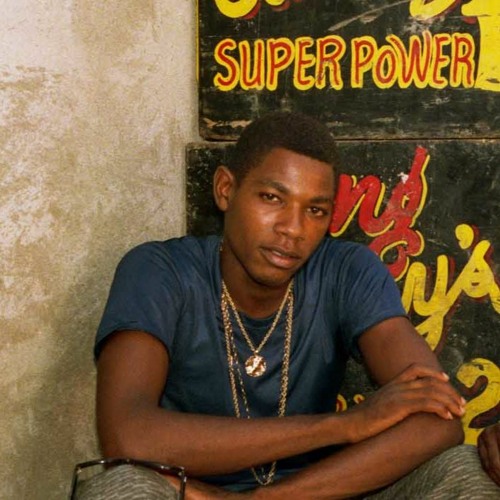
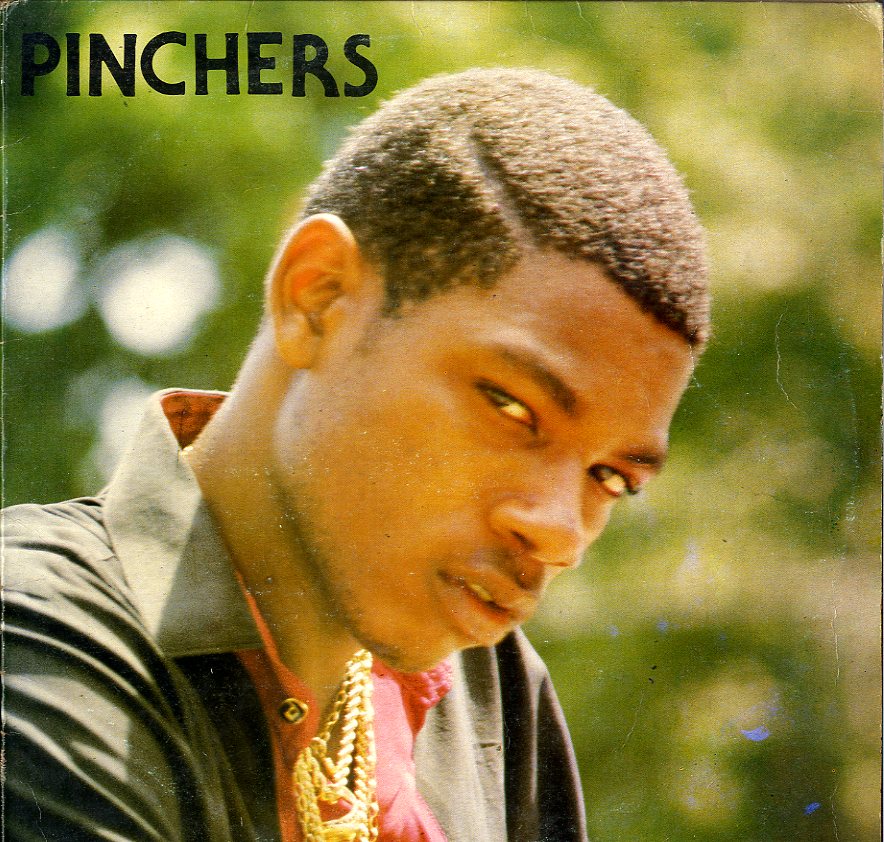
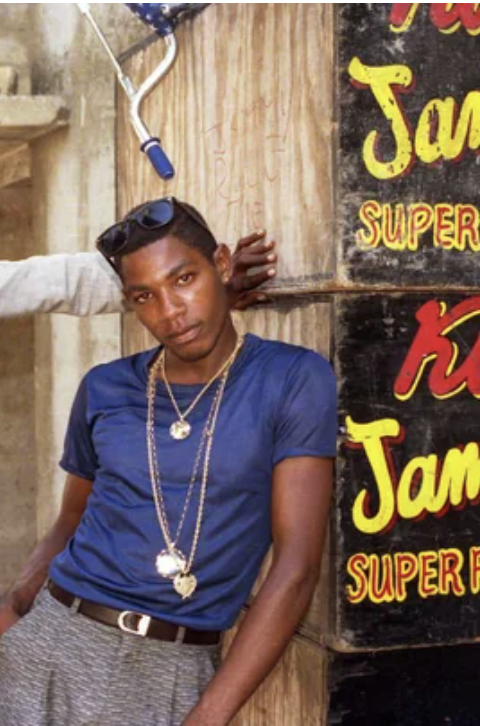
Young Pinchers near Jammy's Super Power equipment

SOUND SYSTEM CULTURE · WATERHOUSE

From Dubplates to Records

Pinchers emerged through sound-system culture and later recalled finding his way to Jammy’s Waterhouse studio to voice dubplates. The surviving evidence supports a close relationship with the Jammys environment, but not yet a claim that he was a permanent resident artist of Jammy’s Super Power.

Voicing dubplates for a sound, recording at a studio and belonging to a sound-system crew are different historical relationships.

1987 · KING JAMMY

Agony

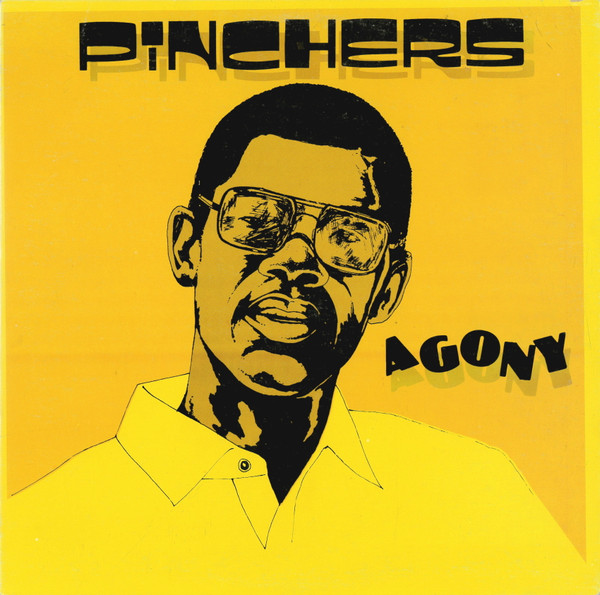
Agony transformed Pinchers from a rising singer into one of digital dancehall’s recognizable voices. The recording became the signature vocal of the Agony riddim, built in the Jammys environment.

Pinchers Agony album cover
THE JAMMYS PERIOD

Borrow No Gun preceded the breakthrough, while other recordings extended the relationship well beyond one hit.

FATIS BURRELL · VENA

Lift It Up Again

Philip “Fatis” Burrell’s Vena label issued Lift It Up Again, a major local hit built on the Answer riddim. Its lyric celebrates the sound-system dance itself, linking Pinchers’ live dancehall roots directly to his recording career.

Fatis remained important through Mass Out and later Exterminator work, making this a full career chapter rather than a single producer credit.

Pinchers Lift It Up Again album cover
Pinchers performing in his Bandelero stage style

1990/91 · SIGNATURE ERA

The Bandelero

Bandelero became Pinchers’ enduring signature tune. Its western language developed into a theatrical visual identity: sombreros, ponchos, ornate suits and Don imagery became recurring features of his stage presentation.

The song’s cultural afterlife extended beyond dancehall, including its appearance in the film Shottas.

RIDDIM CONNECTIONS

Across Production Camps

AgonyAgony · Jammys / King Jammy · 1987
Lift It Up AgainAnswer · Vena / Fatis Burrell · 1987
GivenAnswer · Xterminator / Fatis Burrell · 1992
Kiss And TellGeneral · Soljie · 1992
CarpenterBa Ba Boom · Digital B · 1993
Blood StainFar East · Digital B · 1994

These editorial connections can later link directly into Riddim Vault rather than duplicating the structured riddim-family data here.

ARCHIVE VIDEO

Pinchers — 1988

ARCHIVE VIDEO

Pinchers — Your Eyes Only (1988)

User-supplied 1988 performance footage.

CAREER TIMELINE

Career Timeline

Early 1980s

Blue Trac

Began recording as a teenager; early album and single material appeared through Blue Trac.

1985

UK period

Spent a period in Britain while his early recording career developed.

1986

Breakthrough singles

Borrow No Gun, Abrakabra, Eat Man and Jailhouse Hot helped establish his name.

1987

Agony

King Jammy-produced breakthrough that made Pinchers a major dancehall singer.

1987

Lift It Up Again

Fatis Burrell/Vena production on the Answer riddim; became a major dance and dubplate tune.

1987–88

Mass Out

Fatis Burrell production backed by musicians including Sly & Robbie, Jackie Mittoo and Robbie Lyn.

Late 1980s

Sting competition

Retrospective material recalls Pinchers in a competitive Sting performance with Sanchez, Courtney Melody and Conroy Smith.

1989

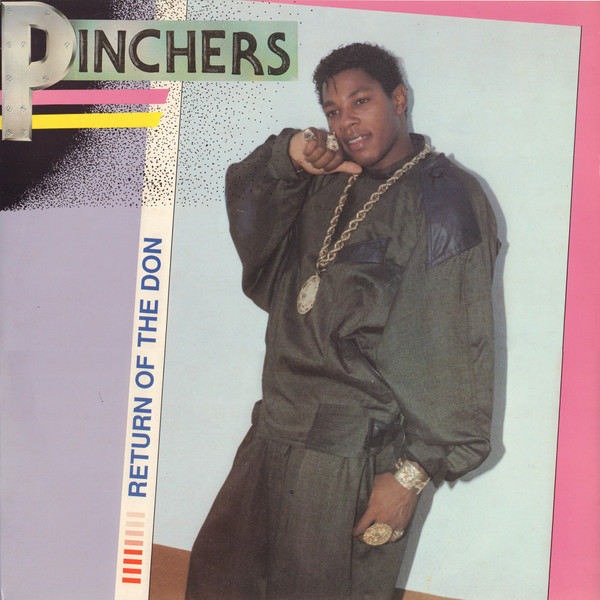
Return of the Don

Continued the Don/western imagery increasingly associated with his stage identity.

1990/91

Bandelero

Signature recording; release dating varies across sources and editions.

1992–94

Multiple production camps

Recorded across Xterminator, Digital B, Penthouse, Jammys and other operations.

2015

Survived shooting

Shot in the left arm during a Queenborough attack in which two other men were killed.

Later career

Continued performance

Continued recording and performing while Agony and Bandelero remained signature songs.

DISCOGRAPHY

Albums & Major Projects

Regional editions of the same album project are grouped rather than treated as unrelated albums.

Dancehall Era

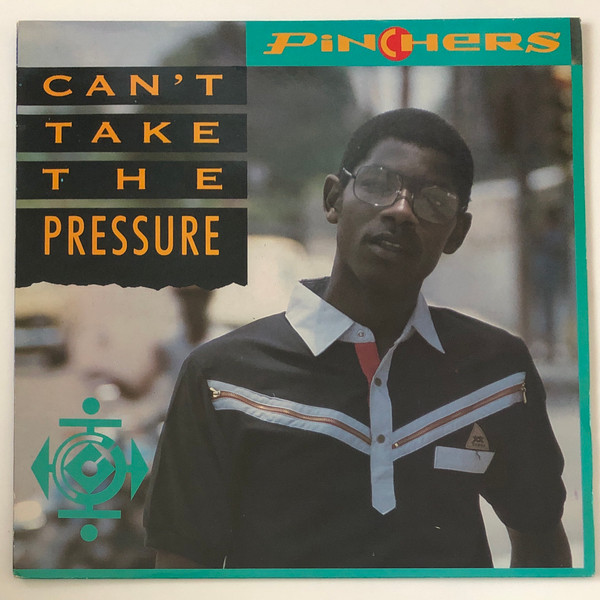
Can't Take the Pressure cover

Can't Take the Pressure

1986 · Blue Trac

Agony cover

Agony

1987 · Live & Love / Jammys

Some discographies date particular album editions to 1988.
Lift It Up Again cover

Lift It Up Again

1987 · Vena

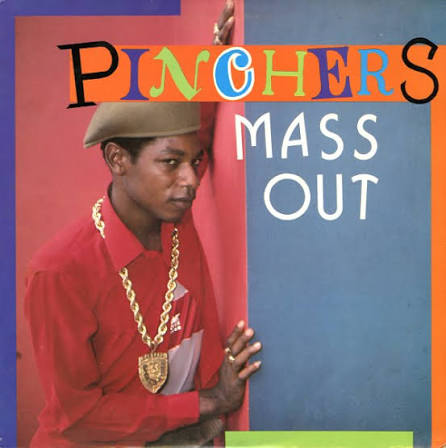
Mass Out cover

Mass Out

1987/88 · Vena / Exterminator

Catalogs differ between 1987 and 1988.
Return of the Don cover

Return of the Don

1989

Bandelero cover

Bandelero

1990/91

Release dating varies by source/edition.
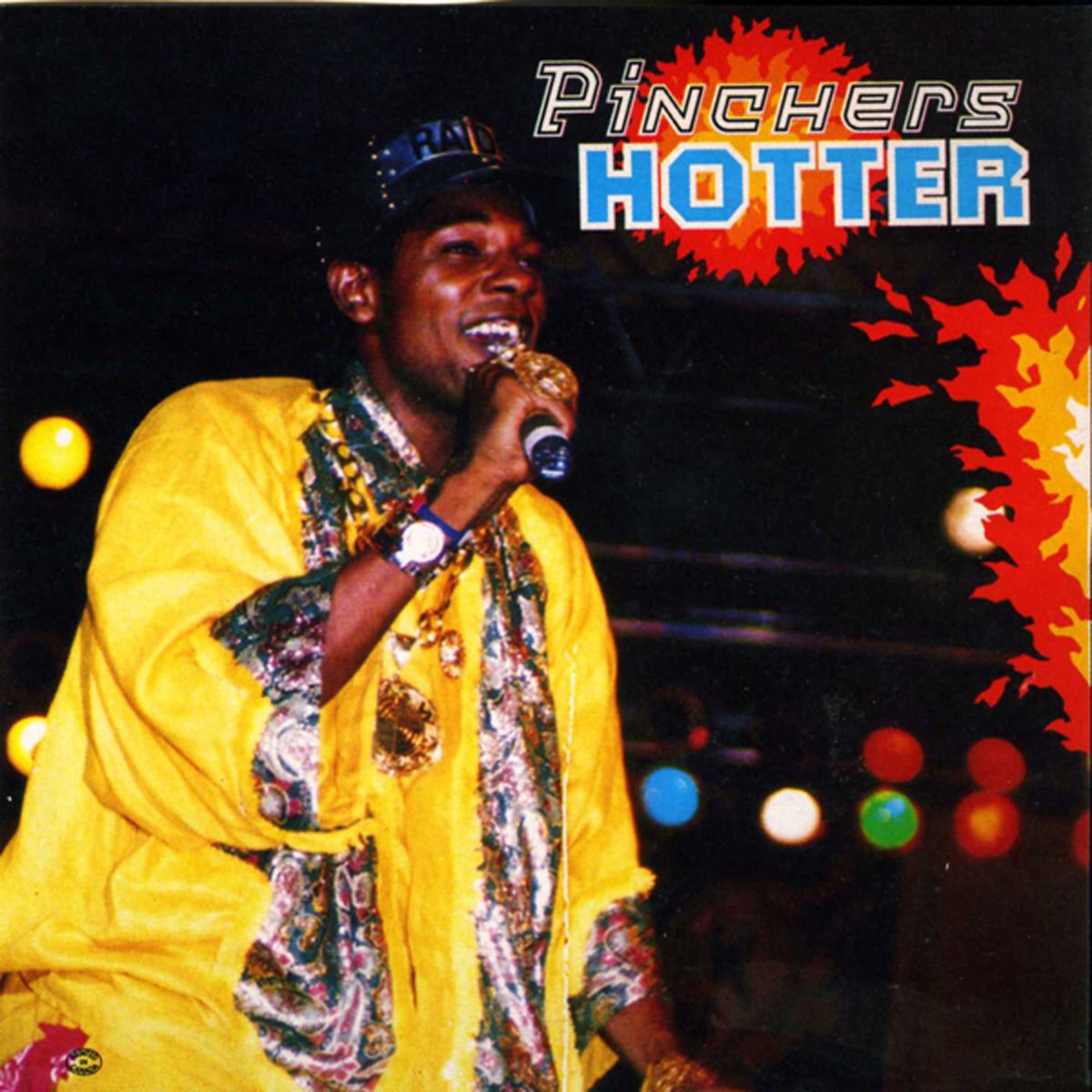
Hotter cover

Hotter

1991/92

Catalogs differ by edition.
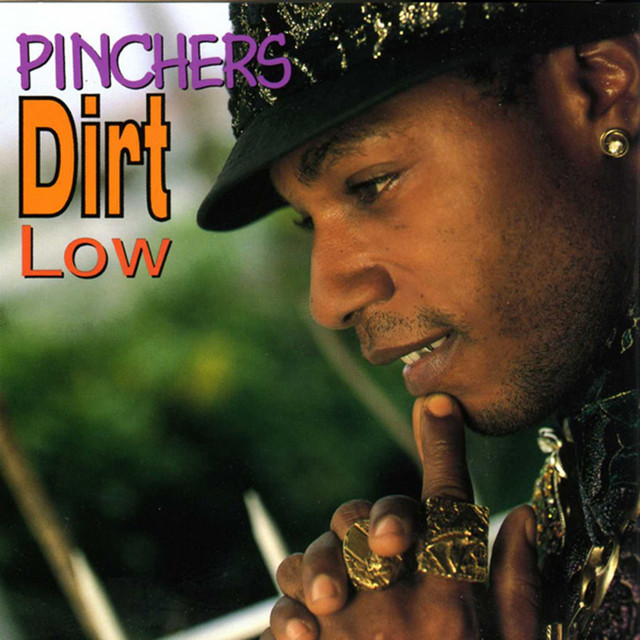
Dirt Low cover

Dirt Low

1993 · VP / Exterminator

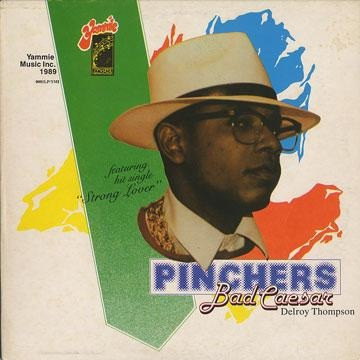
Bad Caesar cover

Bad Caesar

Release date/classification to be audited.
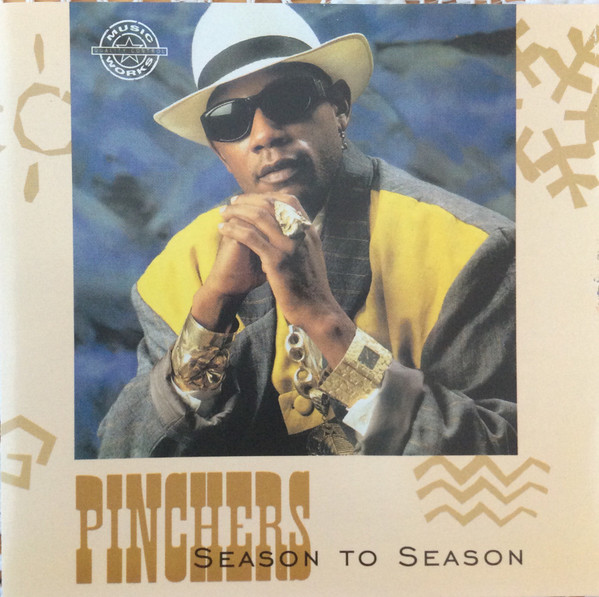
Season to Season cover

Season to Season

Release date/classification to be audited.

RECOGNITION

Awards & Honors

RELATED STORIES

From the Vault