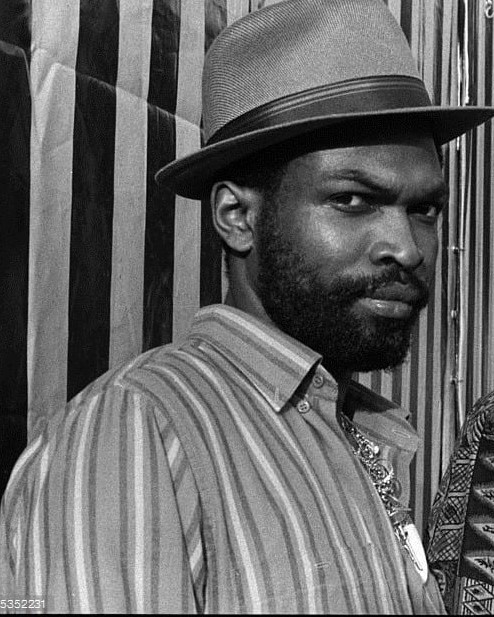
Nitty Gritty portrait

ARTIST

Nitty Gritty

Dancehall Singer · Singjay

REAL NAMEGlen Augustus Holness
ORIGINAugust Town, Kingston, Jamaica
ACTIVE1970s–1991

A distinctive Jamaican singer whose path through Zodiac Sound, Sugar Minott’s Youth Promotion and King Jammy placed him at the heart of the transition into digital dancehall.

BIOGRAPHY

The Story

Glen Augustus Holness, known as Nitty Gritty, was born in August Town, Kingston in 1957. He was the second of eleven children in a religious family and trained as an electrician before music became his profession.

He formed The Soulites in the early 1970s and later worked with the Zodiac sound system. His first solo recording activity came through Sugar Minott, whose Youth Promotion environment became central to his emergence as a dancehall singer.

At Youth Promotion he belonged to the same young performance culture as Tenor Saw, Colourman and other developing singers and deejays. The sound-system stage was not merely promotional: it was where voices, songs and responses could be tested directly against an audience.

Nitty Gritty worked with George Phang before moving into King Jammy’s camp in 1985. Hog Inna Minty became his breakthrough, followed by a major run that included Good Morning Teacher, Sweet Reggae Music, Run Down the World, Gimme Some of Your Something and False Alarm.

False Alarm was a counteraction to Tenor Saw’s Ring the Alarm. Both recordings use the Stalag tradition, making their musical dialogue a particularly clear example of dancehall’s answer-record culture.

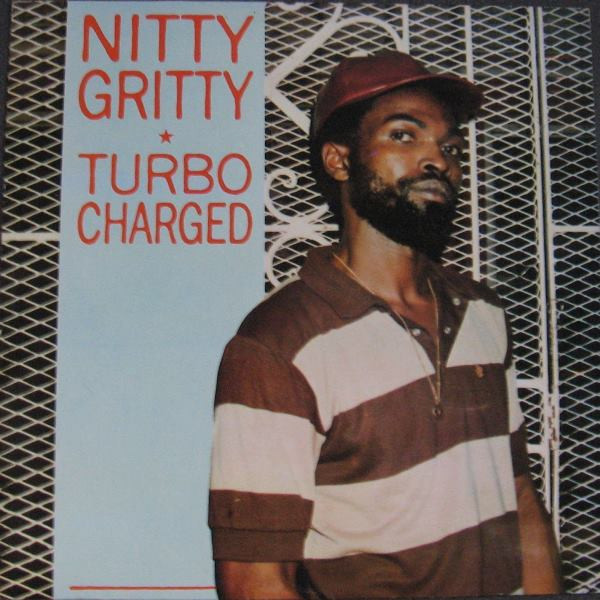
King Jammy produced Nitty Gritty’s debut album Turbo Charged in 1986. The album captures the transitional moment when live musicians, drum machines and increasingly digital production methods coexisted inside Jammys dancehall.

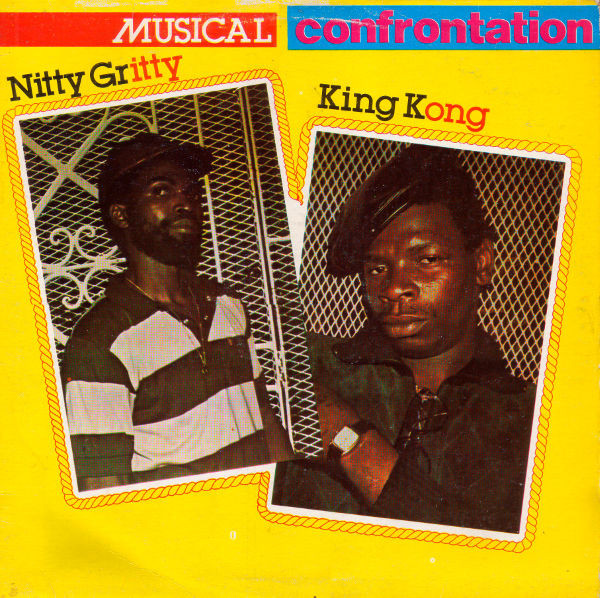
That same year Nitty Gritty shared Musical Confrontation with King Kong, presenting two emerging singers in the competitive split-album format common to dancehall.

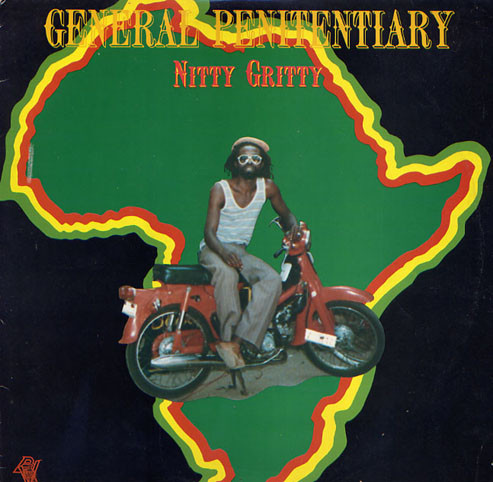
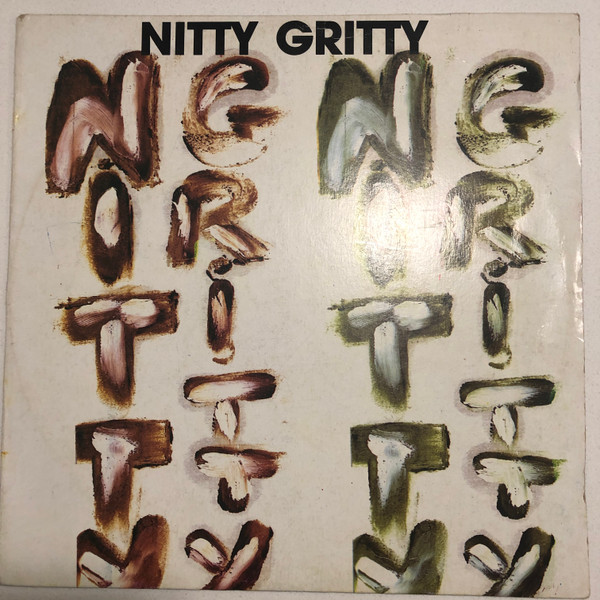
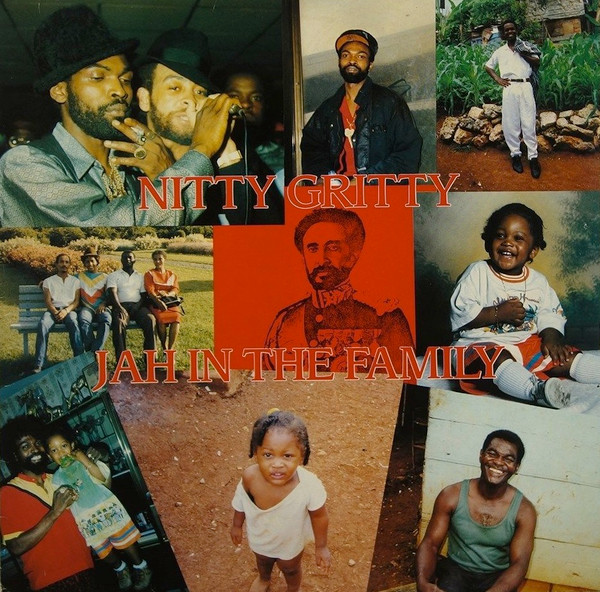
He spent time in Britain in 1986 before relocating to New York. General Penitentiary followed in 1987, then Nitty Gritty in 1988 and Jah In The Family in 1989.

After Tenor Saw’s death in 1988, Nitty Gritty recorded Who Killed Tenor Saw? during a period when contradictory accounts of Saw’s death were circulating. Modern archival evidence identifies Tenor Saw’s death as the result of injuries from a Houston hit-and-run collision, so the older murder narrative is not presented here as fact.

Nitty Gritty was shot and killed outside Super Power Record Shop in Brooklyn on June 24, 1991, aged 34. His short life nevertheless left a catalog central to the sound of mid-1980s digital dancehall.
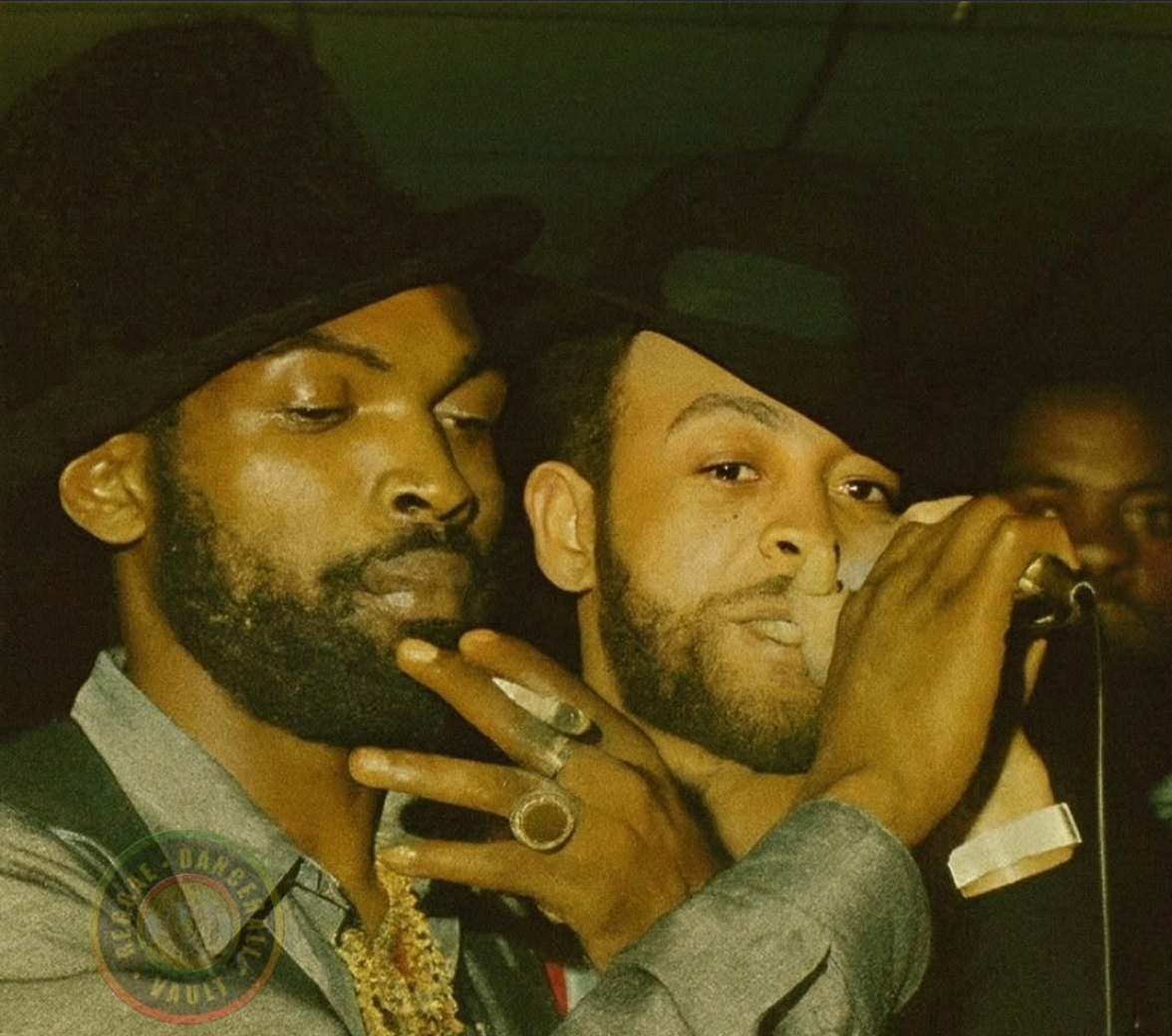
Nitty Gritty and Colourman

YOUTH PROMOTION

From Sound System to Recording Artist

Nitty Gritty’s emergence was tied to Sugar Minott’s Youth Promotion environment. The sound-system stage provided a working school where singers and deejays could develop material before dancehall audiences.

His contemporaries included Tenor Saw and Colourman, making Youth Promotion one of the key incubators of the generation that moved Jamaican dancehall into the digital era.

1985 · KING JAMMY

Hog Inna Minty & the Digital Breakthrough

After work with George Phang, Nitty Gritty entered King Jammy’s camp in 1985. Hog Inna Minty became the breakthrough, followed by Good Morning Teacher, Sweet Reggae Music, Run Down the World and Gimme Some of Your Something.

His low, plaintive vocal tone gave Jammy’s increasingly electronic productions a very different character from the harder deejay records surrounding them.

ANSWER RECORD CULTURE

False Alarm

False Alarm answered Tenor Saw’s Ring the Alarm and became one of Nitty Gritty’s defining Jammys recordings. The musical exchange demonstrates how dancehall songs could respond directly to one another while sharing a familiar riddim tradition.

Tenor Saw→Ring the Alarm→Nitty Gritty→False Alarm
Nitty Gritty Turbo Charged

ARCHIVE VIDEO

Nitty Gritty — False Alarm

ARCHIVE VIDEO

Nitty Gritty — False Alarm

User-supplied archive video.

Nitty Gritty and King Kong Musical Confrontation

1986 · Jammys

Musical Confrontation

The split album with King Kong framed two young singers in the competitive presentation of dancehall’s clash culture. It belongs beside Turbo Charged as part of Nitty Gritty’s defining 1986 Jammys period.

1986 · LONDON

Beyond Jamaica

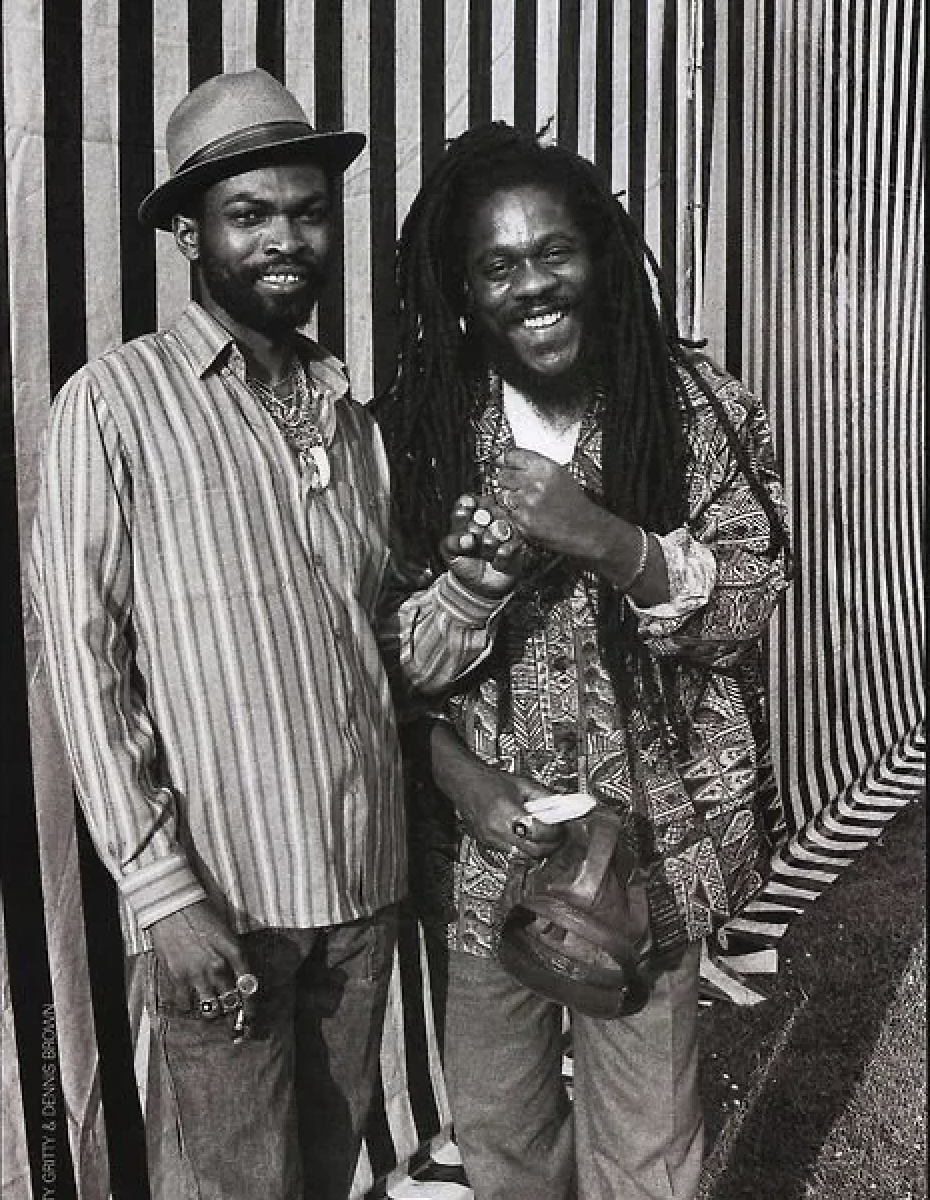
Nitty Gritty spent time in Britain during 1986 before later relocating to New York. The supplied photograph with Dennis Brown gives the Vault a visual marker for this international period without implying a recording collaboration that the photograph alone does not establish.

Nitty Gritty and Dennis Brown in London in 1986

TENOR SAW & NITTY GRITTY

Parallel Careers, Shared History

The two singers developed through overlapping Youth Promotion and producer networks and became leading melodic voices of early digital dancehall. After Tenor Saw died in 1988, Nitty Gritty recorded Who Killed Tenor Saw? while inaccurate murder stories were circulating.

The Vault keeps the tribute in its historical context while using the better-documented modern account of Saw’s death rather than repeating the old rumor as fact.

CAREER TIMELINE

Career Timeline

1957

Born in August Town

Born Glen Augustus Holness in Kingston.

Early 1970s

The Soulites

Formed an early vocal group before his solo dancehall career.

Early 1980s

Zodiac Sound

Worked on the sound system while developing as a performer.

1983–84

Youth Promotion

Developed in Sugar Minott’s sound-system and recording environment.

1984

George Phang / Power House

Worked with Phang before his move into the Jammys camp.

1985

King Jammy

Hog Inna Minty became the breakthrough recording.

1985

False Alarm

A Stalag-based counteraction to Tenor Saw’s Ring the Alarm.

1986

Turbo Charged

King Jammy-produced debut album documented the early digital period.

1986

Musical Confrontation

Split album with King Kong.

1986

London

Spent time in Britain; surviving imagery places him with Dennis Brown during this period.

1987

General Penitentiary

A major post-Jammys album chapter.

1988

Nitty Gritty

Self-titled album continued his late-1980s recording career.

1989

Jah In The Family

Another important late-period album.

1991

Death in Brooklyn

Killed outside Super Power Record Shop on June 24, aged 34.

DISCOGRAPHY

Albums & Major Projects

Regional editions of the same album project are grouped rather than treated as unrelated albums.

Digital Dancehall

Turbo Charged cover

Turbo Charged

1986 · Greensleeves / Jammys

Musical Confrontation cover

Musical Confrontation

1986 · Jammys

Split album with King Kong.

Dancehall Era

General Penitentiary cover

General Penitentiary

1987

Nitty Gritty cover

Nitty Gritty

1988

Jah In The Family cover

Jah In The Family

1989

RECOGNITION

Awards & Honors

RELATED STORIES

From the Vault