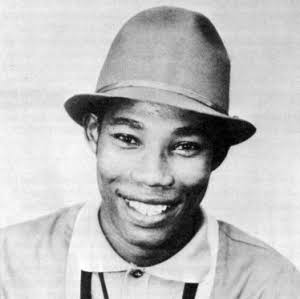
BIOGRAPHY
The Story
Derrick Morgan emerged from Jamaica's talent-show culture as a teenager, performing through Vere Johns' Opportunity Hour before entering the island's still-young recording industry. His earliest professional years belonged to the period when Jamaican singers were transforming American rhythm-and-blues influences into an increasingly distinctive local music.
Morgan began recording in 1959 for Duke Reid and also cut early material in the Coxsone Dodd orbit. Records such as "Lover Boy" and "Fat Man" established him quickly, and at the height of his early popularity Morgan famously had multiple records competing simultaneously in Jamaica's charts.
His partnership with Millicent "Patsy" Todd became another important part of the early catalogue. As Derrick & Patsy they recorded male-female duets including "Love Not to Brag" and "Feel So Fine", creating a parallel identity alongside Morgan's solo work.
Prince Buster was initially a producer and associate rather than simply a rival. Morgan recorded in Buster's early production network before moving to Leslie Kong's Beverley's operation, where better financial terms and a broader role helped reshape his career.
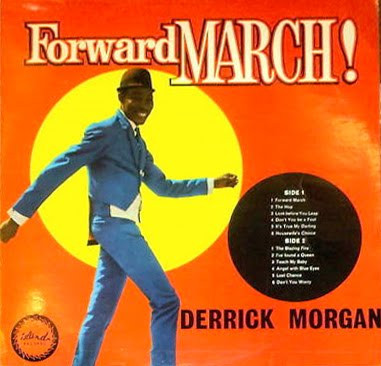
At Beverley's, Morgan became more than a recording artist. He worked around auditions and talent development while recording for Leslie Kong. In 1962 he wrote and recorded "Forward March", a celebration of Jamaican independence that became one of the songs most closely associated with the new nation's Independence festivities.
The move to Kong also helped ignite Morgan's famous musical confrontation with Prince Buster. Buster attacked Morgan on record after a dispute surrounding "Forward March"; Morgan responded with "Blazing Fire", and the exchange expanded into one of Jamaican music's earliest celebrated answer-record clashes. Morgan later emphasized that the performers remained friends even as supporters took the rivalry seriously.
As ska slowed during the mid-1960s, Morgan remained central to the transition. "Tougher Than Tough (Rudie in Court)" is among the recordings frequently cited in histories of rocksteady's emergence. Its rude-boy and courtroom imagery also places Morgan within the same cultural cycle that produced Prince Buster's Judge Dread records.
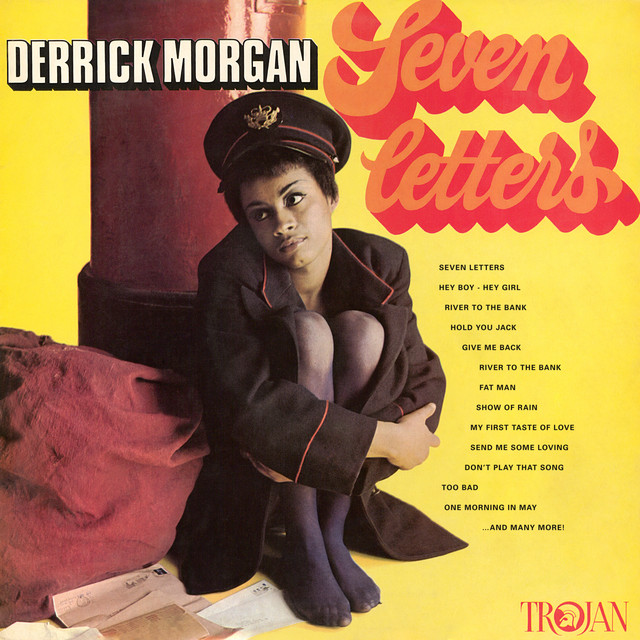
Morgan's later work with Bunny "Striker" Lee produced "Seven Letters", another recording often discussed in histories of the transition from rocksteady into reggae. Rather than claiming a single uncontested "first reggae record", Morgan's catalogue demonstrates how quickly Jamaican rhythm and production were changing.
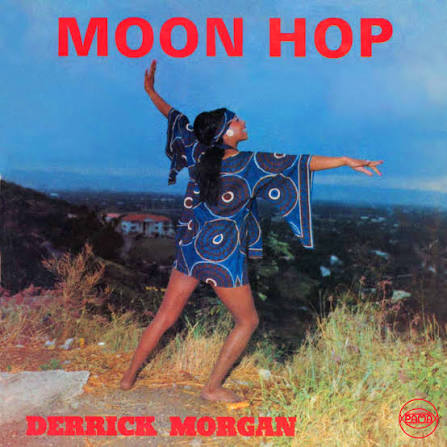
"Moon Hop" became especially important in Britain, where Jamaican records found a large audience among Caribbean communities and the emerging skinhead-reggae market. Morgan's British following helped give his career an international life extending well beyond ska's first Jamaican era.
Declining eyesight eventually reduced Morgan's regular performance schedule, but he continued to record and later appeared at international ska and reggae heritage events. His longevity allowed several generations to encounter one of the singers who had participated directly in Jamaica's transition from R&B through ska, rocksteady and reggae.
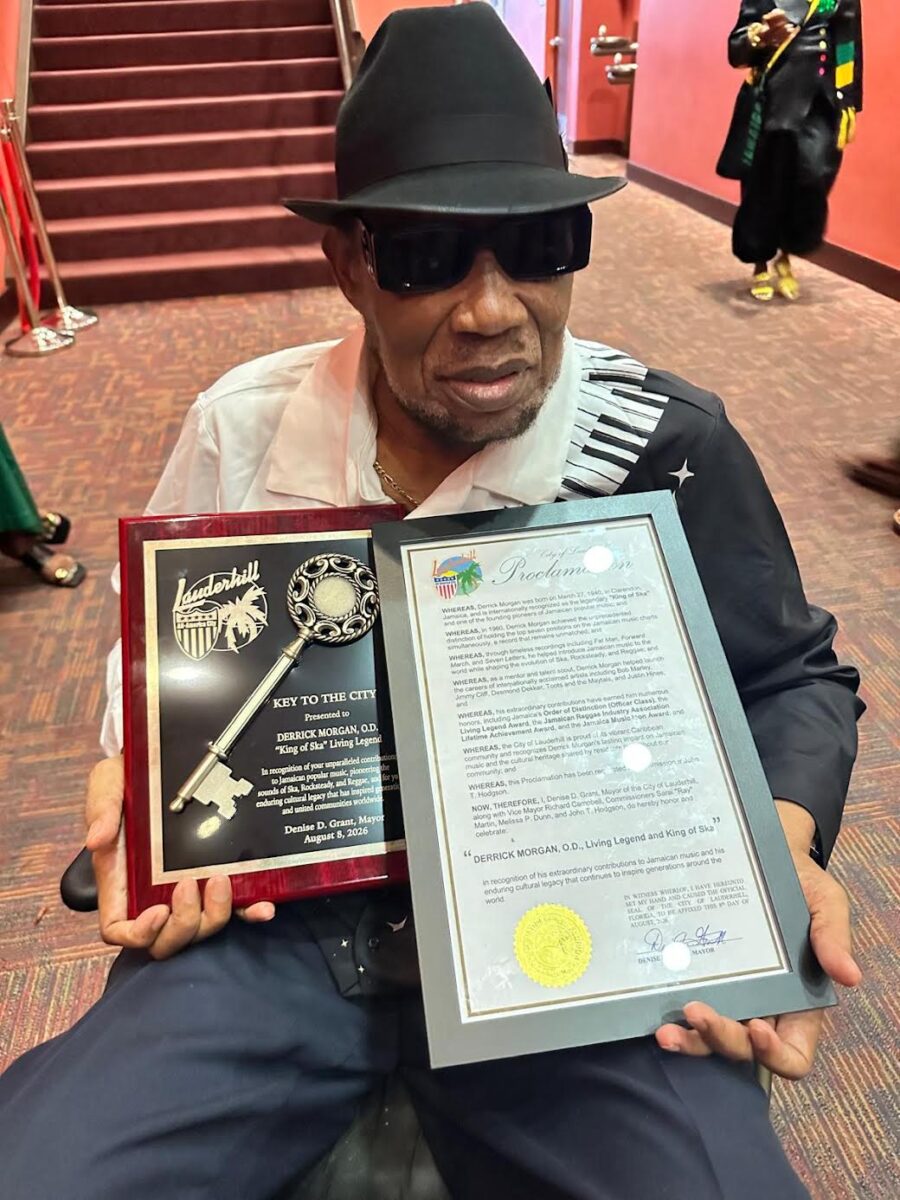
Morgan's later honors underline that long arc. His Order of Distinction, industry lifetime recognition and 2026 Key to the City of Lauderhill connect an artist who sang "Forward March" during Jamaica's independence era with public recognition more than six decades later.