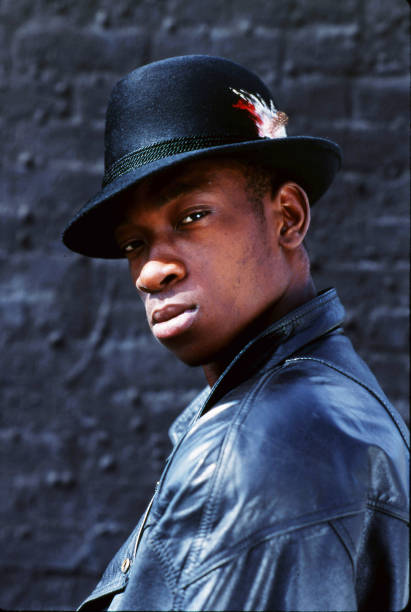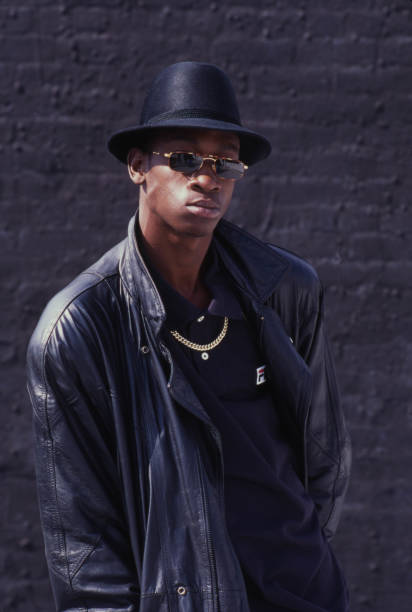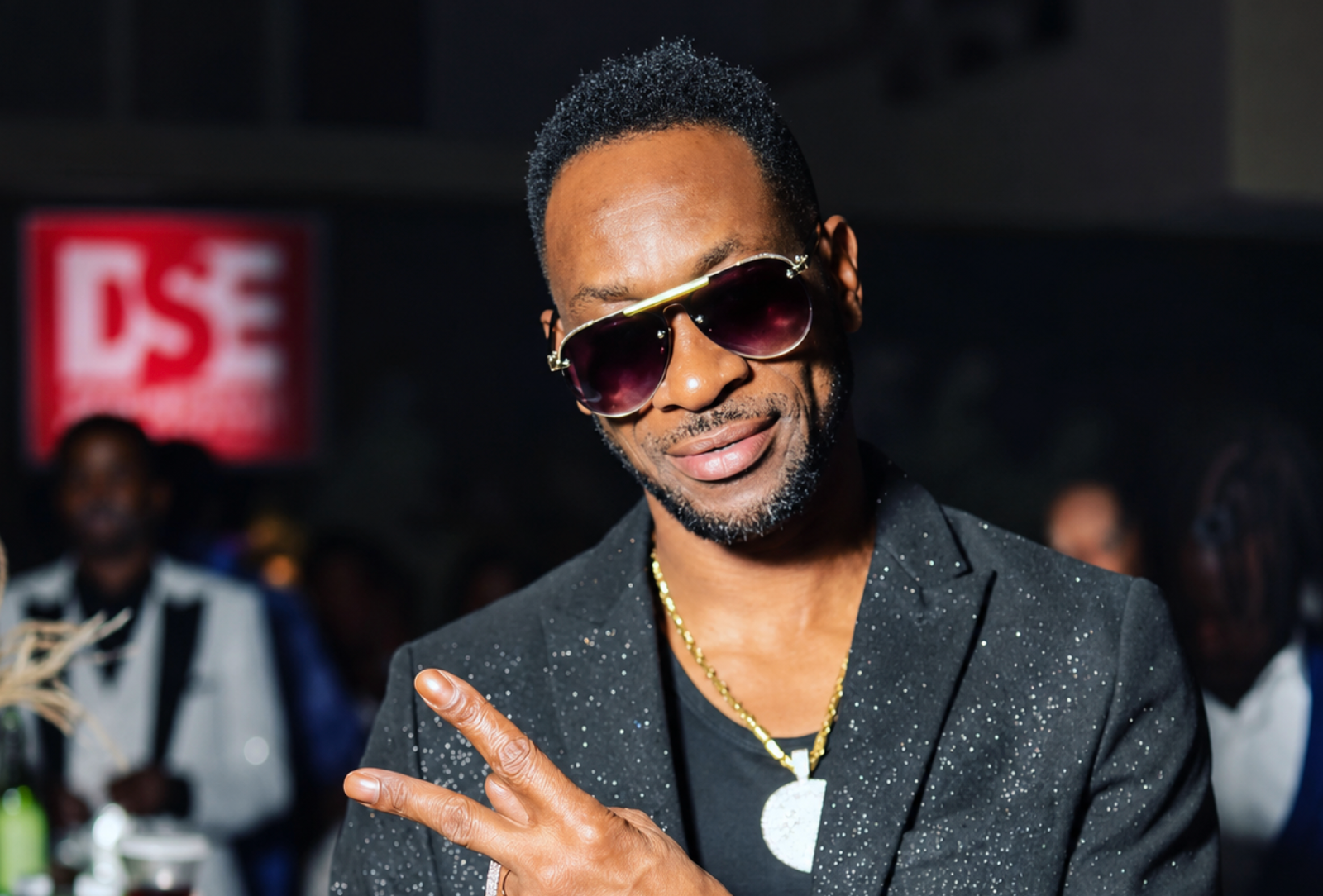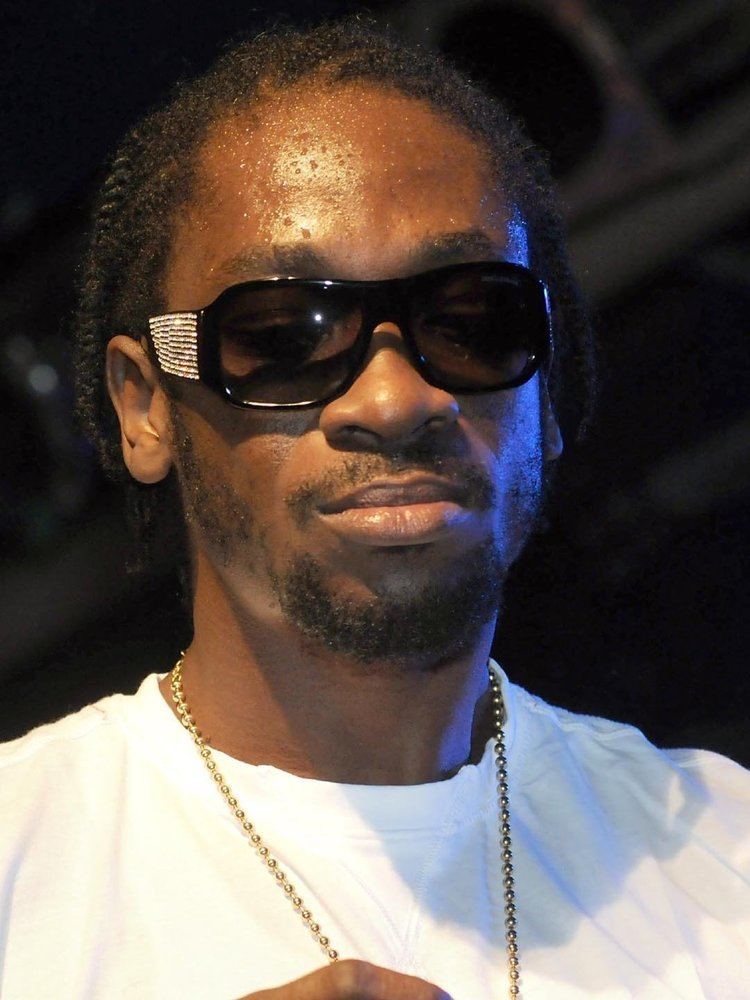
BIOGRAPHY
The Story
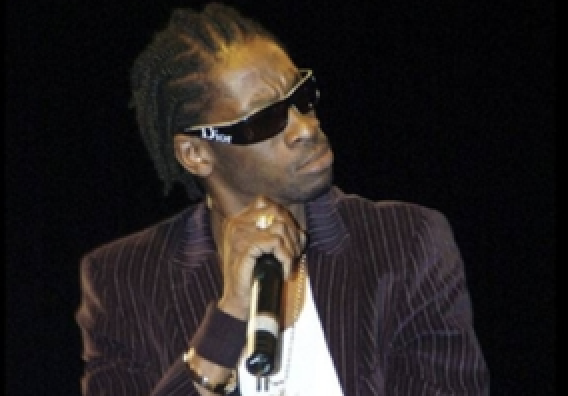
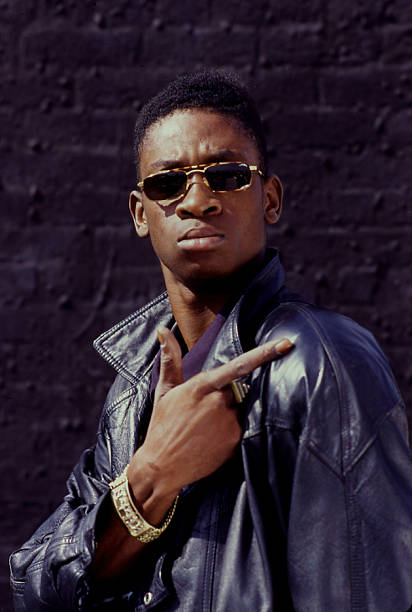
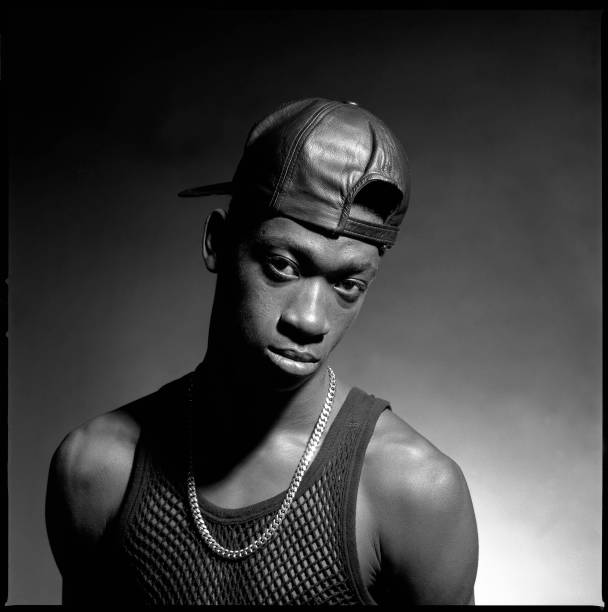
Rodney Price grew up in Kingston and entered music through the sound-system and studio world surrounding King Jammy's. Early work with Uncle T helped move him from the Bounty Hunter name toward Bounty Killer, while dubplates and records such as "Dub Fi Dub" established his presence before his wider commercial breakthrough.
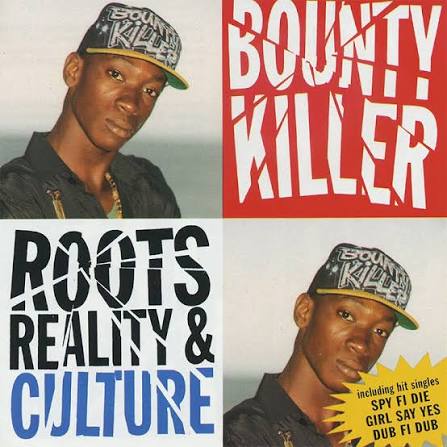
In 1992 records including "Copper Shot" and "Spy Fi Die" helped make Bounty Killer a major new dancehall voice. His clipped delivery, commanding stage presence and competitive lyrics developed into the Warlord identity that would become central to his career.
Competition with Beenie Man became one of 1990s dancehall's defining rivalries. Their Sting-era confrontations and years of lyrical competition sharpened both artists' public identities, but the relationship eventually moved beyond clash culture toward reconciliation and later joint appearances.
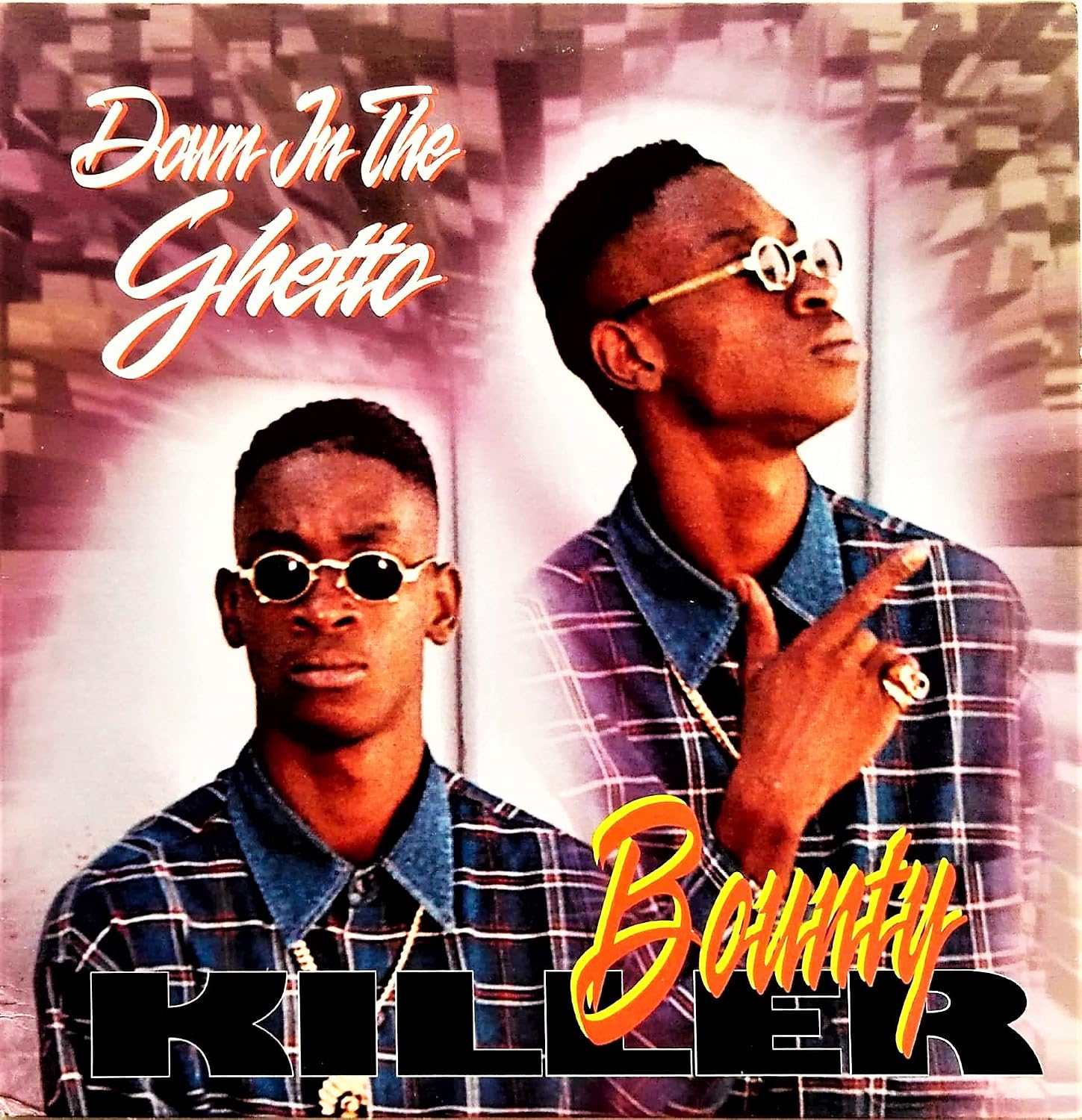
Bounty's catalogue cannot be reduced to confrontation. Songs such as "Down in the Ghetto", "Mama" and "Miss Ivy Last Son" strengthened the Poor People's Governor identity, using dancehall to address poverty, violence, family and inner-city life.
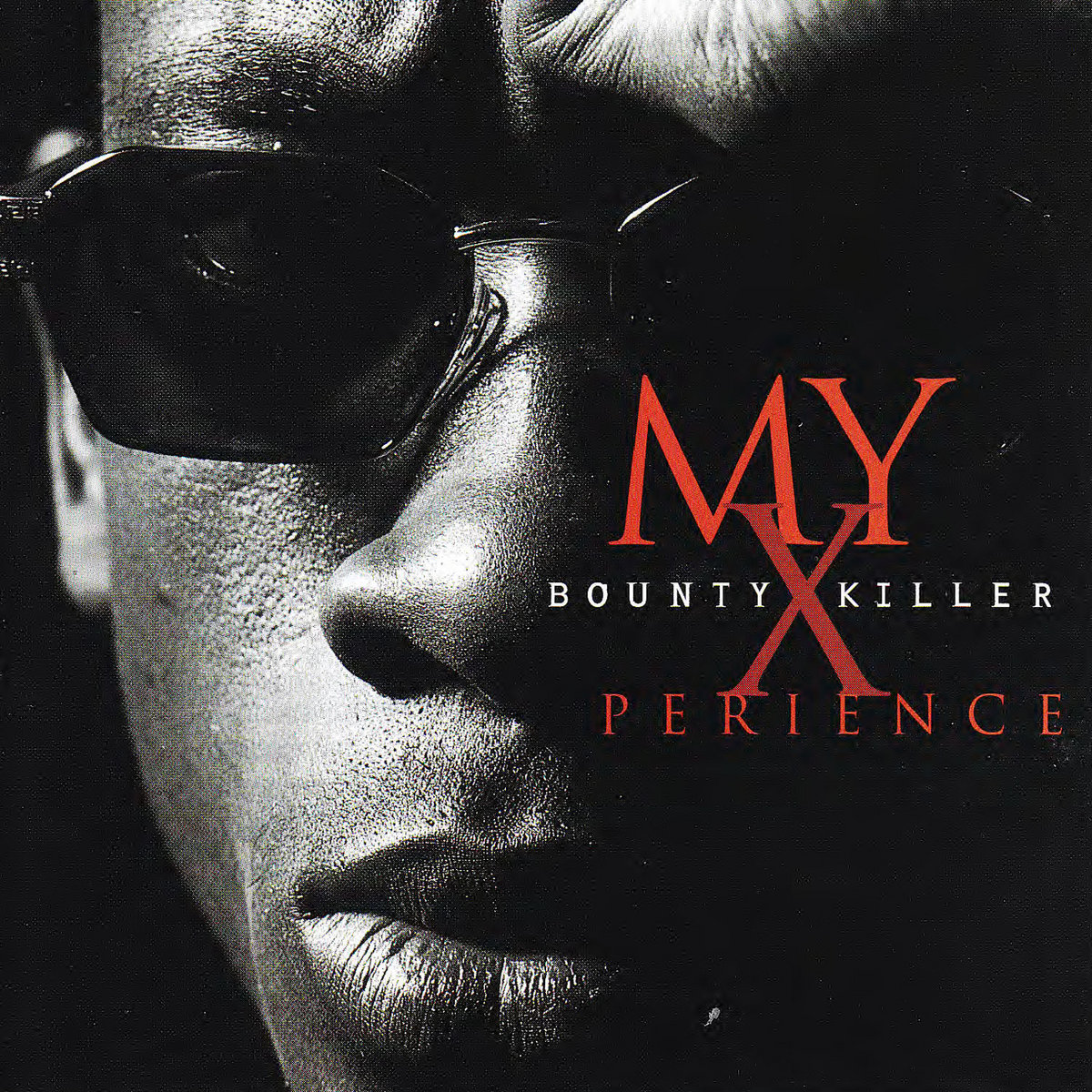
The 1994–96 period produced an exceptional run of singles and set up My Xperience. The 1996 album became a major statement of Bounty Killer's range and connected Jamaican dancehall with American hip-hop through a broad cast of collaborators while retaining deep links to Jamaican riddims, producers and labels.
My Xperience is already represented in the Vault as canonical album data. Its song-level riddims, producers, labels and playback should remain sourced from that catalog rather than duplicated as a second hand-maintained discography inside this biography.
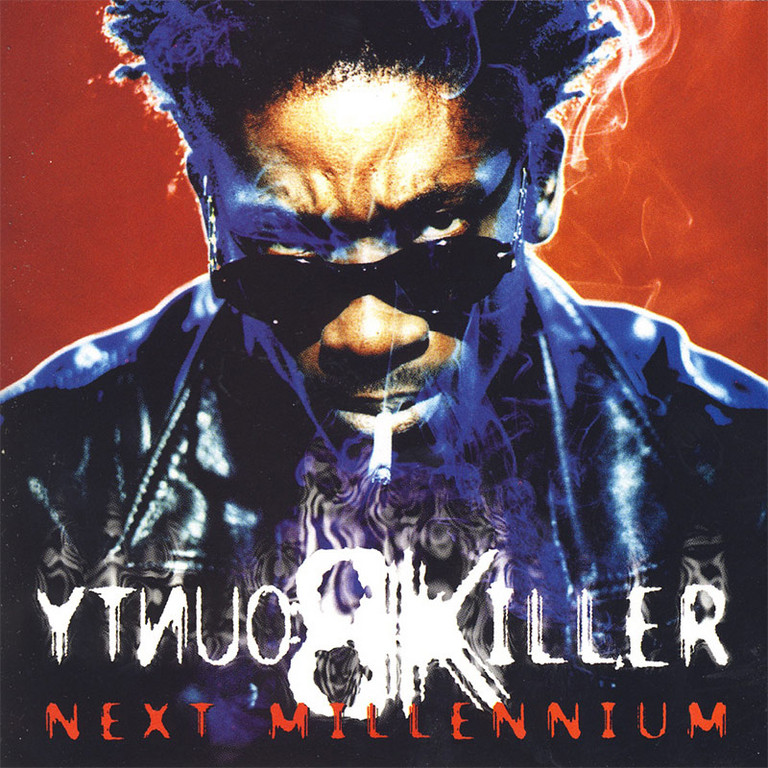
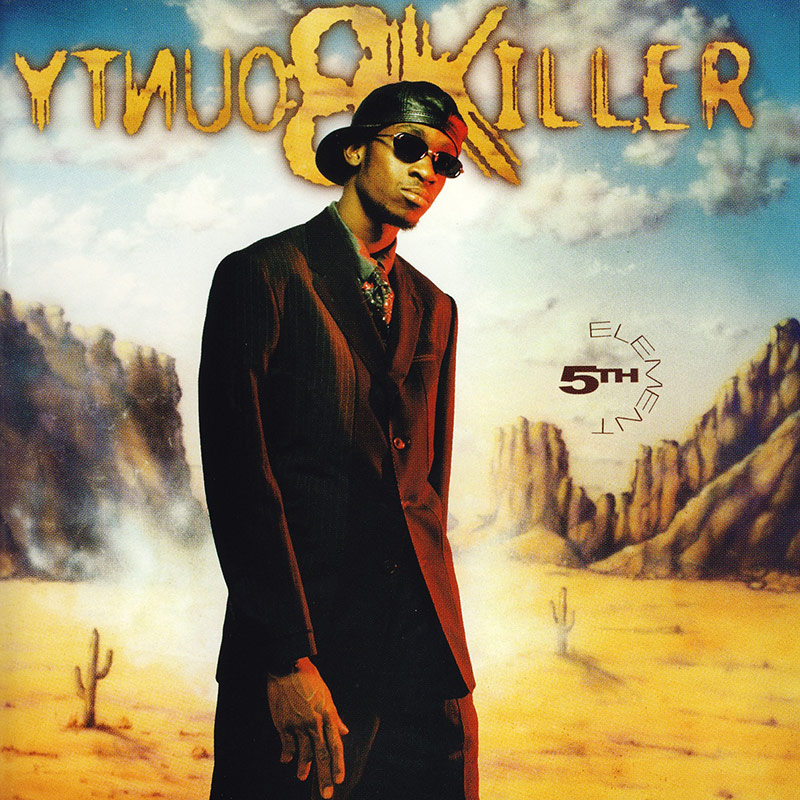
Next Millennium continued the late-1990s dancehall and hip-hop dialogue, while The 5th Element reinforced Bounty's position inside Jamaican dancehall as the decade closed.
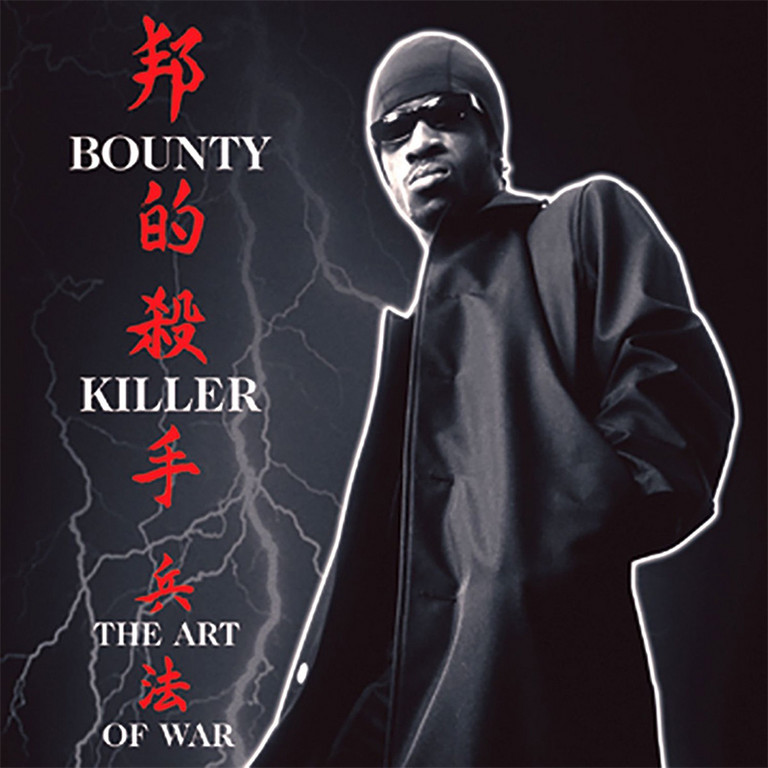
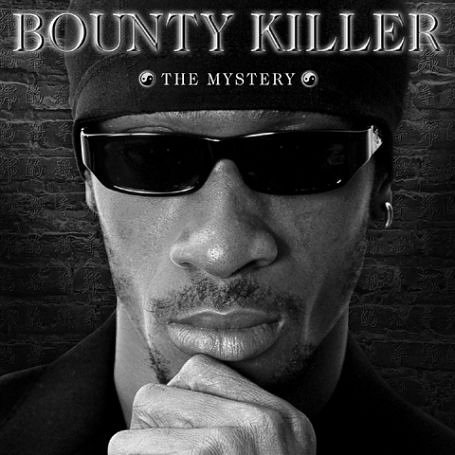
The early 2000s brought another international crossover through No Doubt's "Hey Baby" and the two-part Ghetto Dictionary project. The Mystery and The Art of War showed that Bounty could operate simultaneously as a Jamaican dancehall institution and an internationally recognizable voice.
One of Bounty Killer's largest legacies is mentorship. Before the formal Alliance, his pay-it-forward approach extended through artists around the Scare Dem circle, including Boom Dandimite, Nitty Kutchie, Angel Doolas, Harry Toddler and Elephant Man, as well as later support for Cham. The Alliance, established in the early 2000s, became the clearest expression of that role. Bling Dawg and Wayne Marshall were early figures, while Vybz Kartel, Mavado, Busy Signal and Aidonia became major artists associated with Bounty's development network. Selector Foota Hype was also part of the wider Alliance organization. Bounty brought younger artists onto his stage sets, introduced them to producers and used his own access to help them develop without treating mentorship as a fee-based service. The result was not simply a crew but a generational bridge into 2000s dancehall.
The Bounty Killer and Beenie Man story eventually came full circle. After decades in which their rivalry helped define dancehall competition, their 2020 Verzuz appearance presented both men together to a global audience and reframed the clash as shared cultural history.
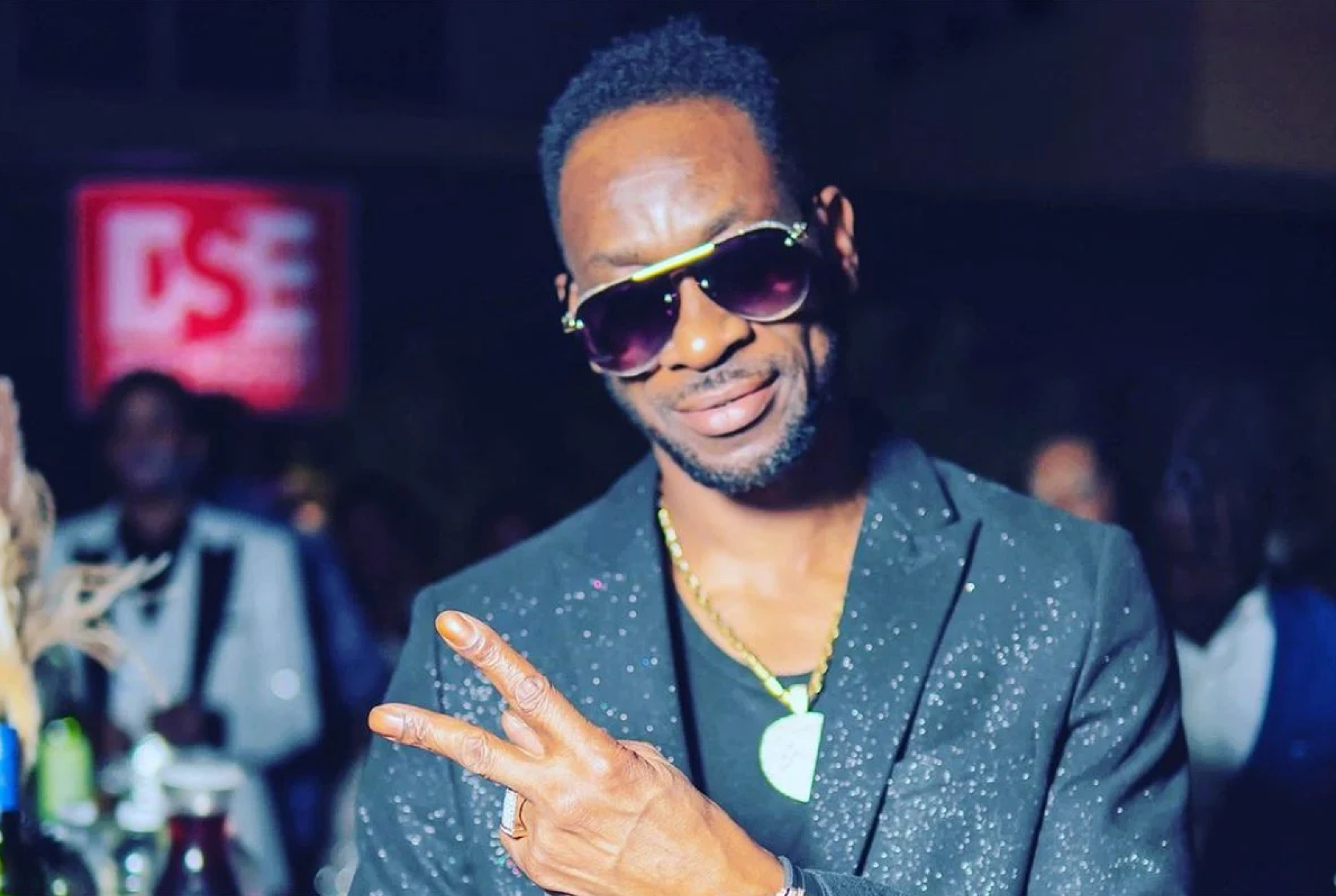
Across later decades Bounty remained active as a performer, recording artist, cultural figure and community advocate. His significance lies in the combination of records, clashes, social commentary, mentorship and the network of artists who followed him.