BIOGRAPHY
The Story
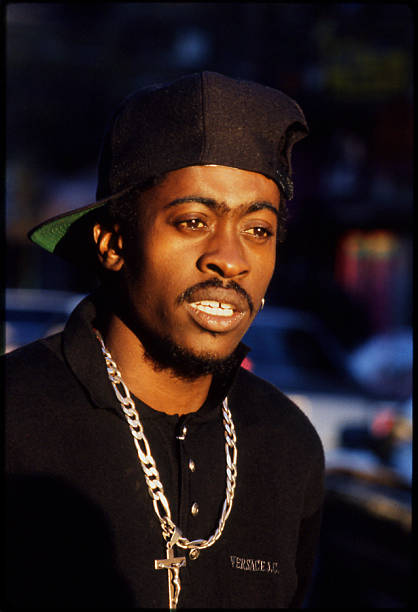
Born in Waterhouse, Kingston, in 1973, Moses Davis began deejaying as a small child. He performed on his uncle's Master Blaster sound system and entered recording while still in primary-school age, making the child-deejay chapter fundamental to understanding the unusual length of his career.
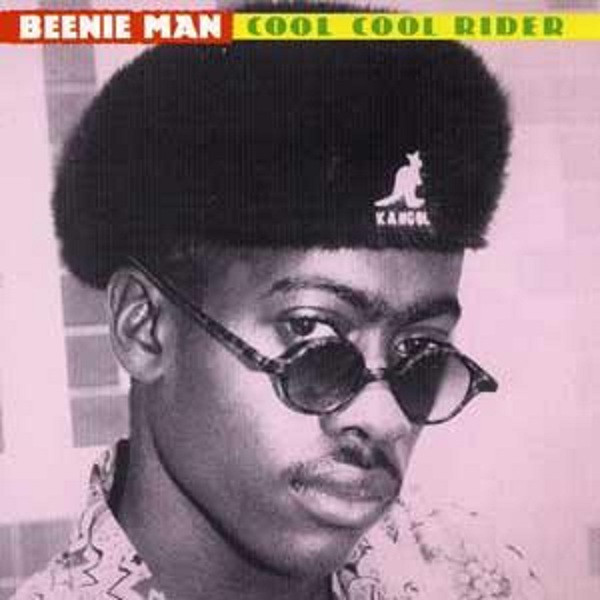
After winning a talent contest, the young Beenie recorded "Too Fancy" and entered the professional recording world. His early career involved producers including Junjo Lawes and Bunny Lee, and an album built around the image of the ten-year-old deejay documented how early he entered Jamaican music.
After giving greater attention to school for a period, Beenie returned to music and eventually developed a crucial partnership with Patrick Roberts and Shocking Vibes. Records such as "Modelling" and "World Dance" helped begin the sustained hit run that made him a dominant figure in 1990s dancehall.
His rivalry with Bounty Killer became one of the defining competitive relationships of the era. Clashes, counteractions and public competition helped shape both artists' identities. The rivalry is best understood as a long arc rather than a single confrontation: competition in the 1990s eventually gave way to reconciliation and their globally watched Verzuz appearance in 2020.
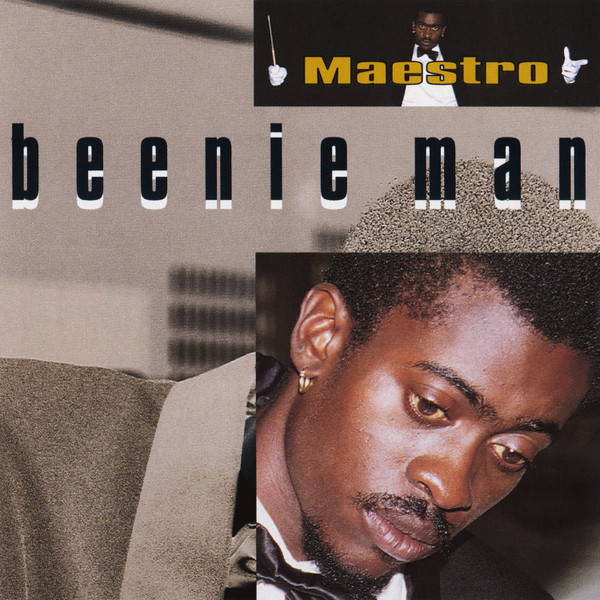
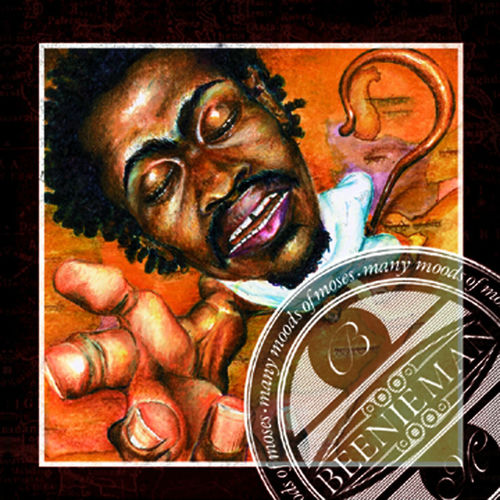
Albums including Blessed, Maestro and Many Moods of Moses document Beenie's rapid mid-1990s development. The period also produced a remarkable sequence of singles, including "Slam", "Romie", "World Dance", "Girls Dem Sugar" and "Who Am I".
"Who Am I" became one of Beenie Man's defining international records. Its "Sim Simma" opening became instantly recognizable far beyond Jamaica and helped expand his audience while remaining rooted in dancehall's riddim-driven recording culture.
Beenie also appeared as himself in the 1997 film Dancehall Queen and recorded the title song with Chevelle Franklin, another example of his increasing visibility beyond the core Jamaican singles market.
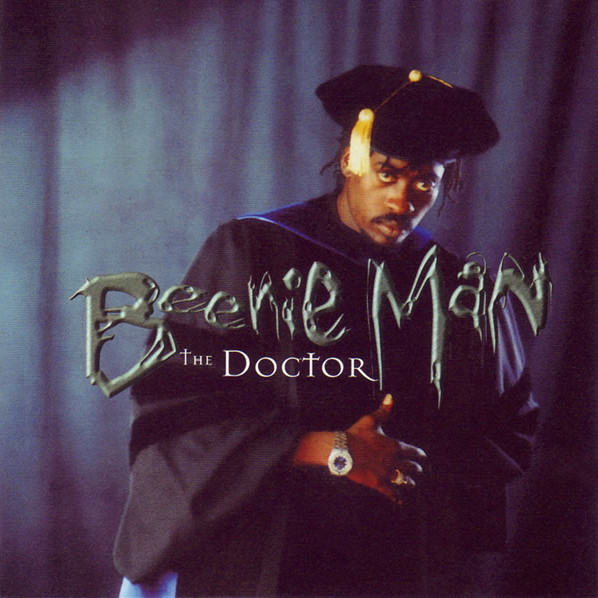
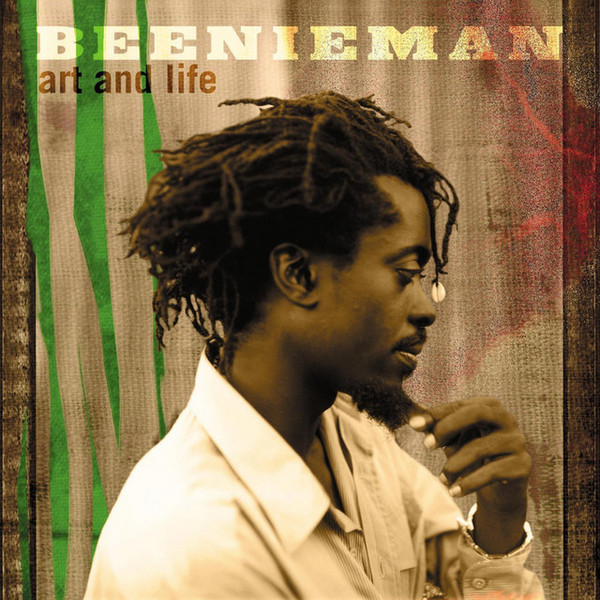
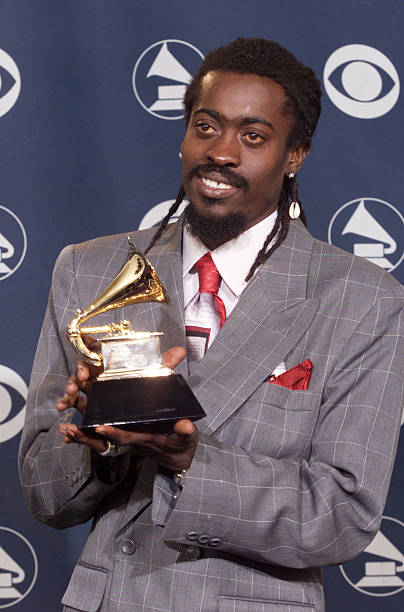
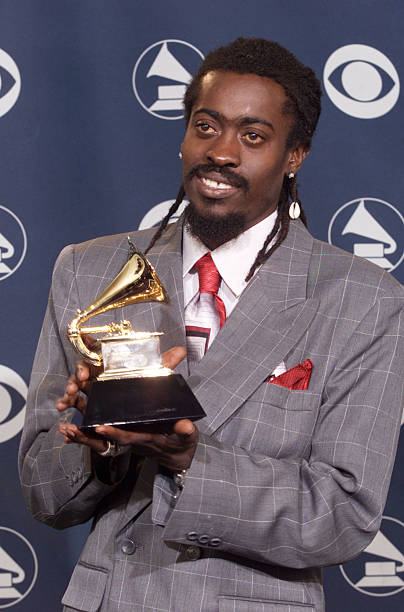
Many Moods of Moses received a Grammy nomination, followed by another nomination for The Doctor. The sequence culminated with Art and Life, which won Best Reggae Album at the 2001 Grammy Awards. That victory established a major international milestone without ending Beenie's Jamaican dancehall focus.
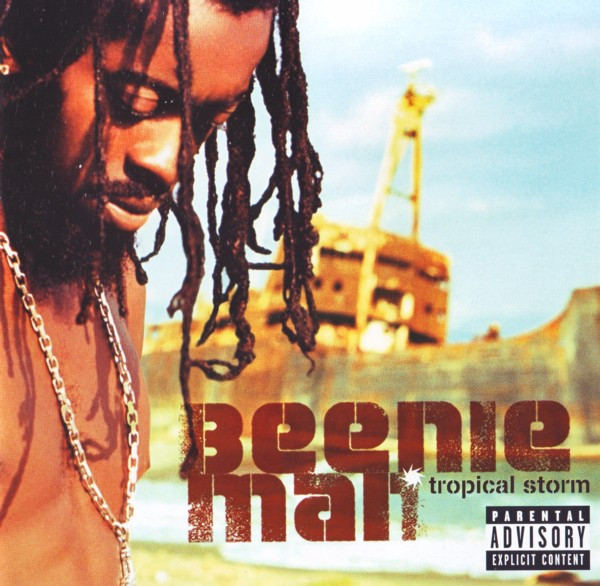
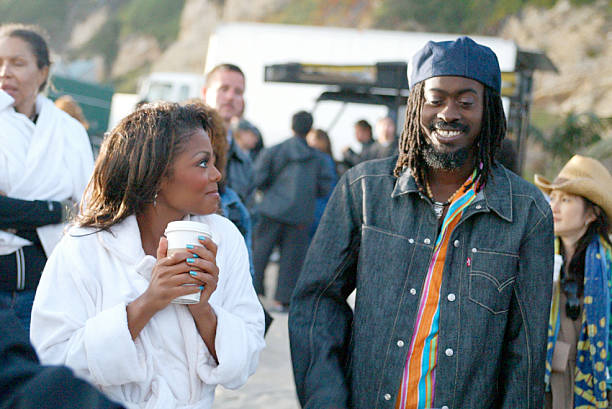
The 2002 album Tropical Storm pushed crossover further. "Feel It Boy" paired Beenie Man with Janet Jackson and production by the Neptunes; the supplied photograph of Beenie with Jackson documents this international phase of his career.
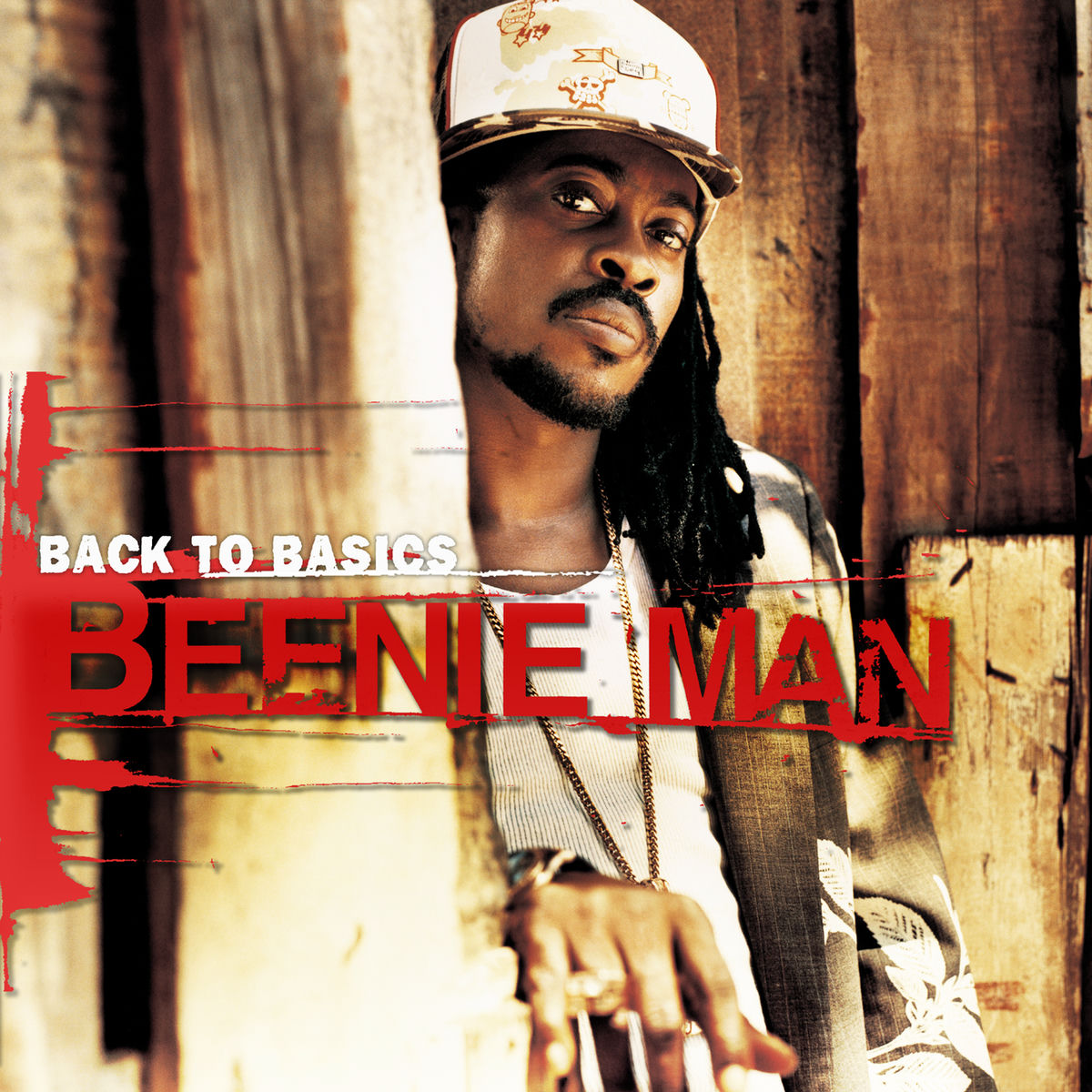
Back to Basics in 2004 deliberately returned the emphasis toward direct dancehall after the crossover-heavy Tropical Storm era. "Dude" and "King of the Dancehall" reinforced his position during another major hit period.
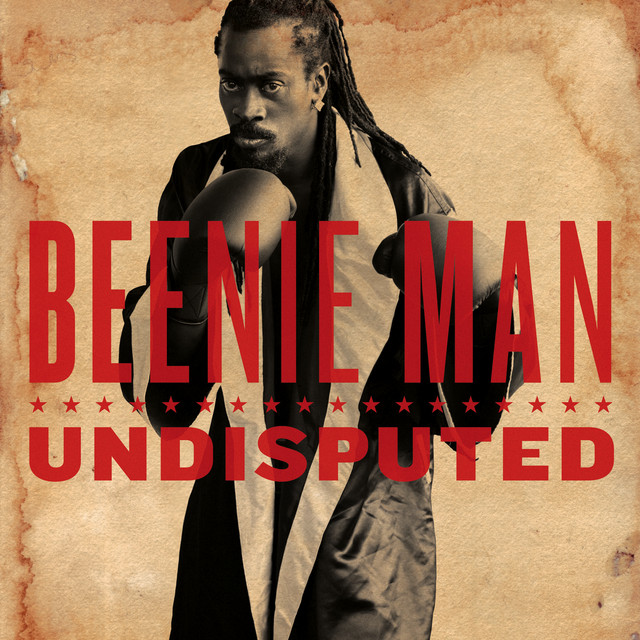
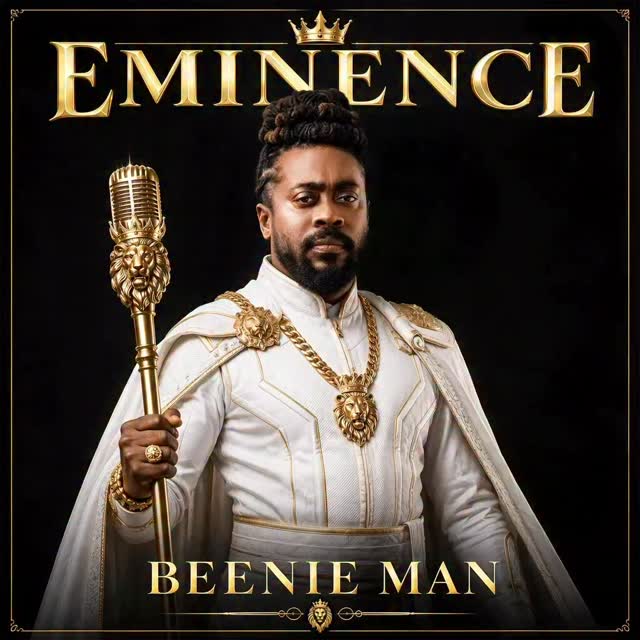
Undisputed followed in 2006, while later releases including Unstoppable and Simma demonstrated unusual career longevity. Simma brought Beenie back to the Grammy nominations in 2024, more than two decades after his Art and Life win.
In 2024 Jamaica appointed Moses "Beenie Man" Davis an Officer of the Order of Distinction for his contribution to the development of Jamaican music, specifically dancehall. The national honor placed his long career within the country's official cultural record.
Beenie Man's legacy combines child-star history, sound-system training, Shocking Vibes, competitive dancehall, riddim culture, international crossover and longevity. His career is inseparable from the Bounty Killer rivalry, but it extends far beyond it across several generations of Jamaican popular music.