BIOGRAPHY
The Story
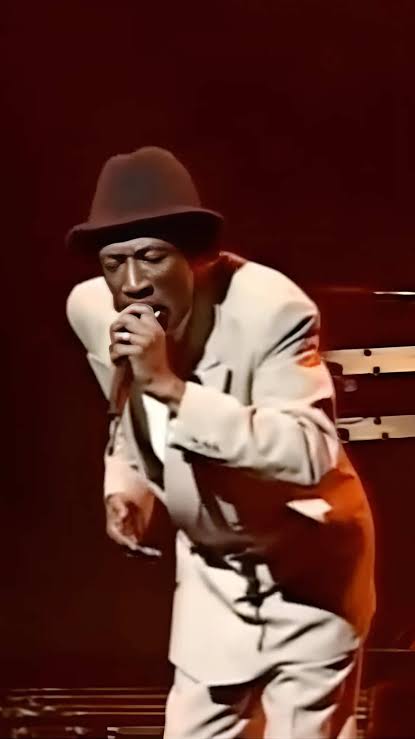
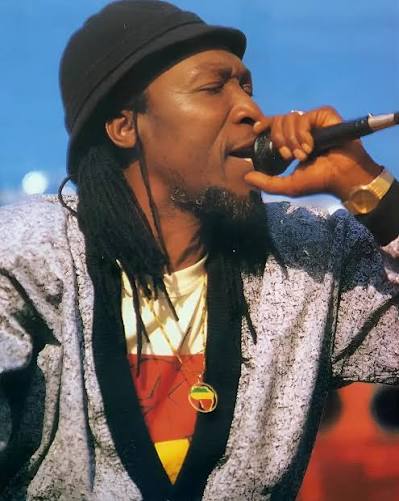
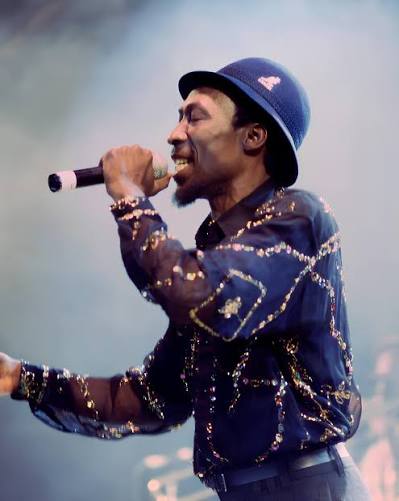
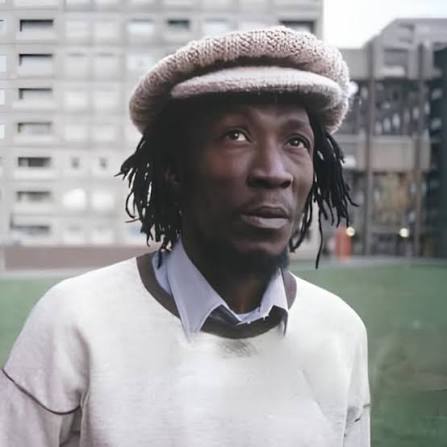
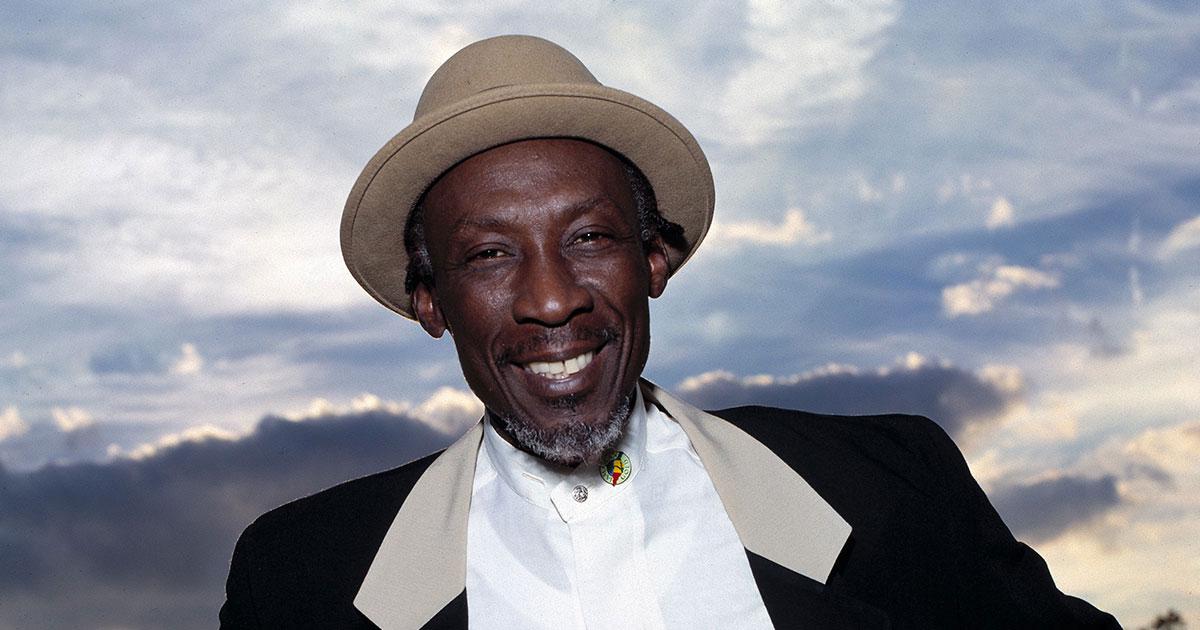
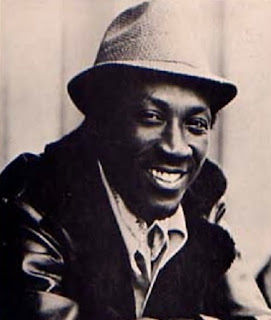
Born in Kingston in 1938, Alton Ellis grew up in the West Kingston and Trench Town musical environment. He first competed as a dancer before establishing himself as a singer through Jamaica's talent-show culture.
His first important recording partnership was Alton & Eddie with Eddie Parkins. Their 1959 recording "Muriel" gave Ellis an early breakthrough as Jamaican performers transformed American rhythm-and-blues influences into an increasingly distinctive local music.
Ellis recorded early ska-era material around Clement "Coxsone" Dodd. Financial dissatisfaction later helped push him toward Duke Reid's Treasure Isle operation, placing him at the center of one of Jamaican music's most important stylistic transitions.
At Treasure Isle, recordings billed to Alton Ellis and the Flames became central to his career. "Dance Crasher", "Cry Tough", "Girl I've Got a Date", "Breaking Up" and "Ain't That Loving You" established Ellis as one of the dominant voices of the rocksteady period.
Ellis is often called the Godfather of Rocksteady. His "Rock Steady" recording is historically important to the style's naming and development, although claims about the exact first rocksteady record remain contested. Ellis, Duke Reid, Treasure Isle and the musicians around those sessions were unquestionably central to the slower rhythm emerging in 1966.
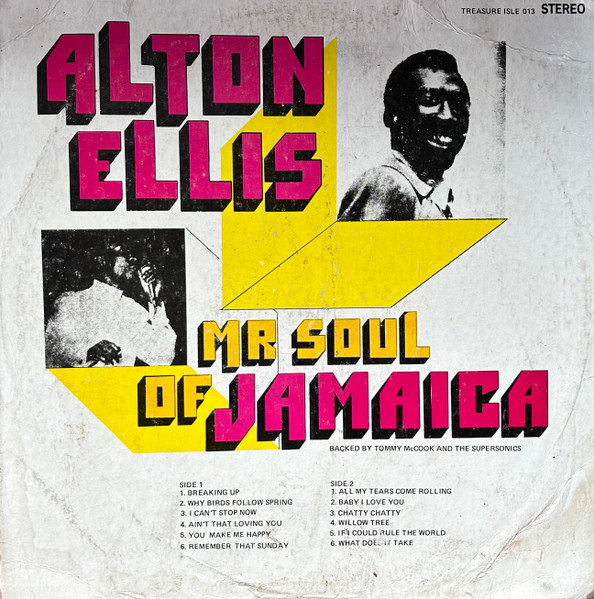
The description "Mr Soul of Jamaica" captures another essential part of Ellis's music. His phrasing drew from American soul and R&B but translated that vocabulary into Jamaican rhythm with unusual intimacy.
His sister Hortense Ellis became a major Jamaican singer in her own right and recorded with Alton. Other duet and shared-session relationships, including Phyllis Dillon, are best attached at recording level rather than treated as one permanent group.
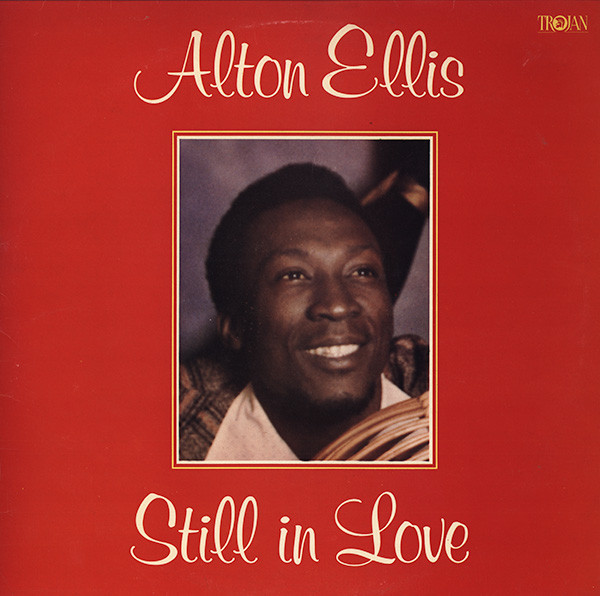
Ellis later recorded again with Coxsone Dodd. Studio One material such as "I'm Still in Love" became foundational to his long-term legacy, generating Jamaican reinterpretations and eventually reaching another international audience through Sean Paul and Sasha's 2003 adaptation.
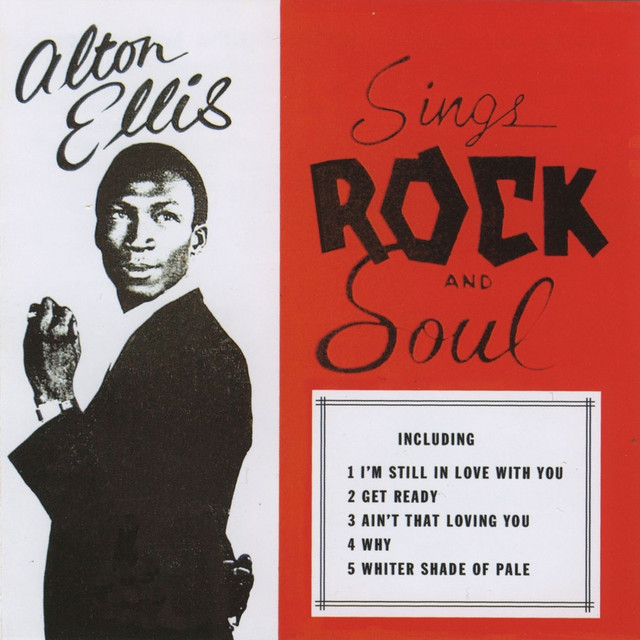
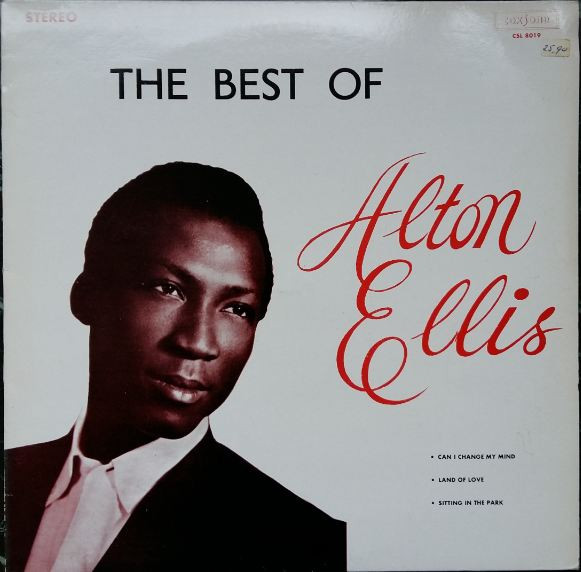
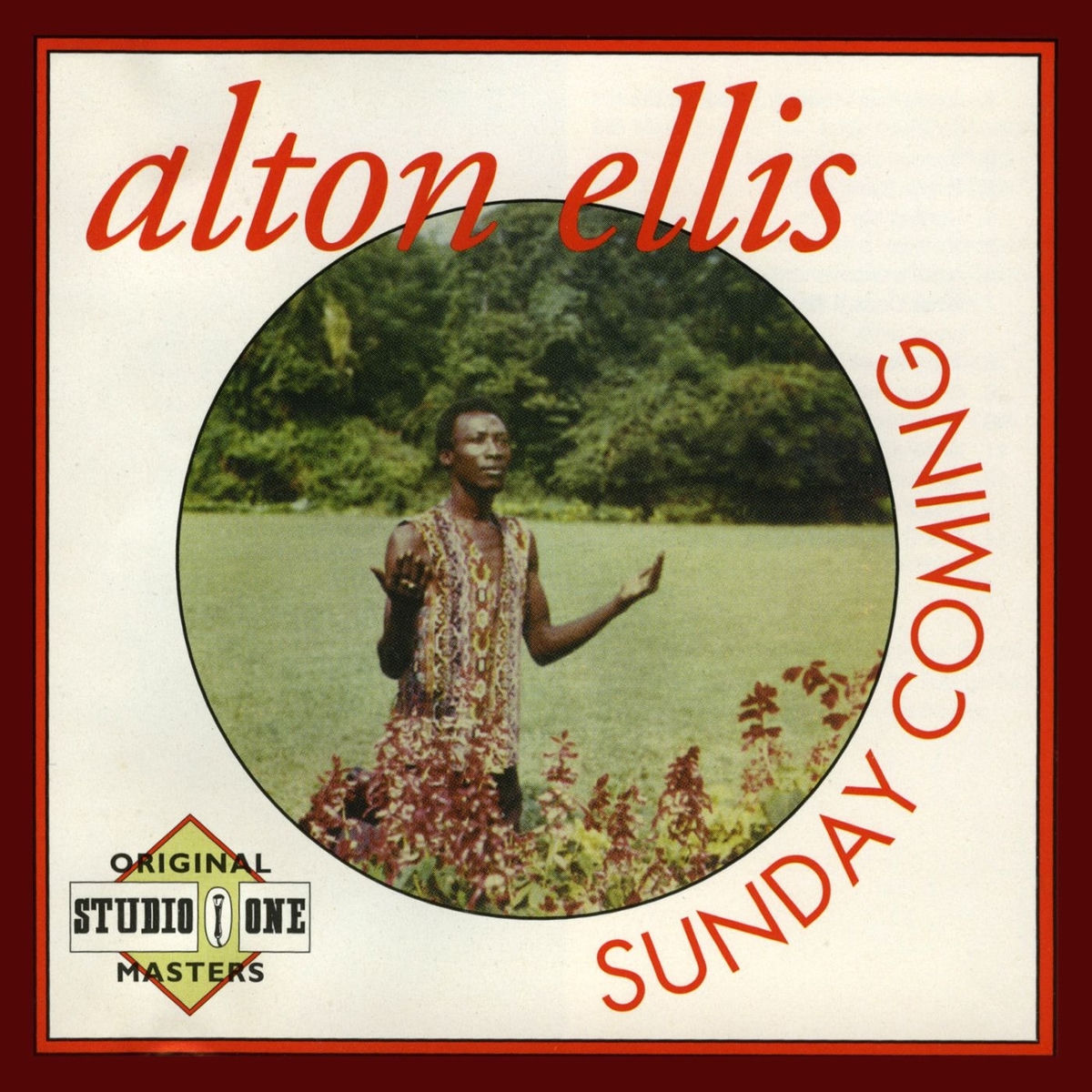
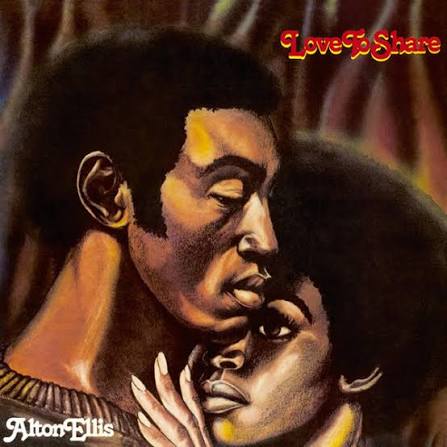
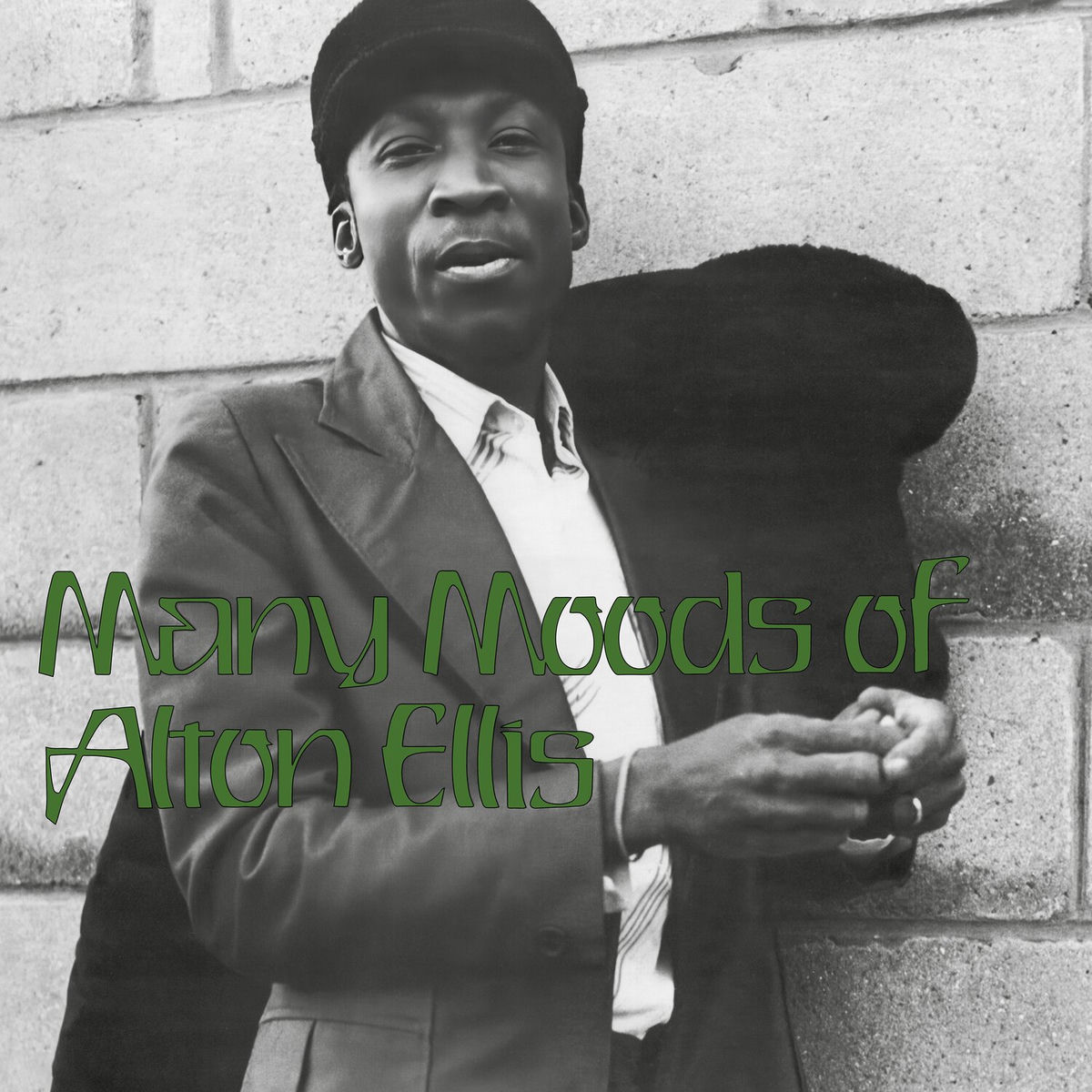
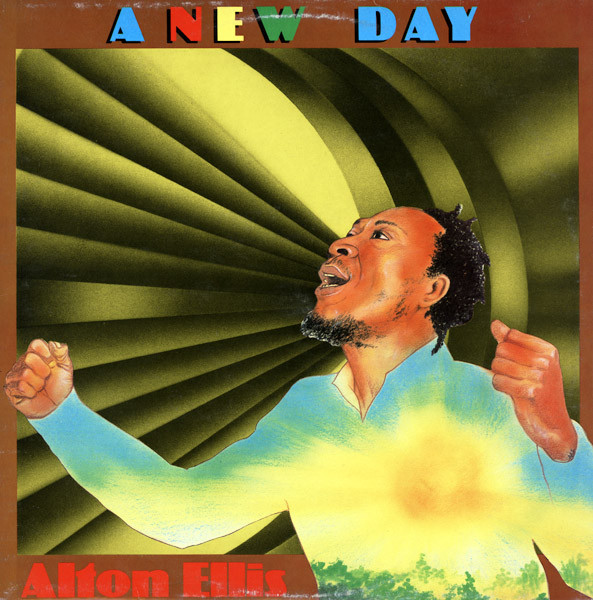
Sings Rock and Soul, The Best of Alton Ellis and Sunday Coming document the classic Jamaican phase. Later releases show a career extending well beyond rocksteady's brief original era; individual Jamaican, British and reissue pressings require edition-level dating.
Ellis eventually made Britain his principal base, where he continued recording and performing and developed business activity associated with the Alltone name.
In later decades Ellis performed for international reggae audiences and was recognized as an elder of Jamaican popular music. Jamaica awarded him the Order of Distinction in 1994. He died in London in October 2008, leaving a catalogue whose influence extends from rocksteady and lovers rock to dancehall-era version culture.