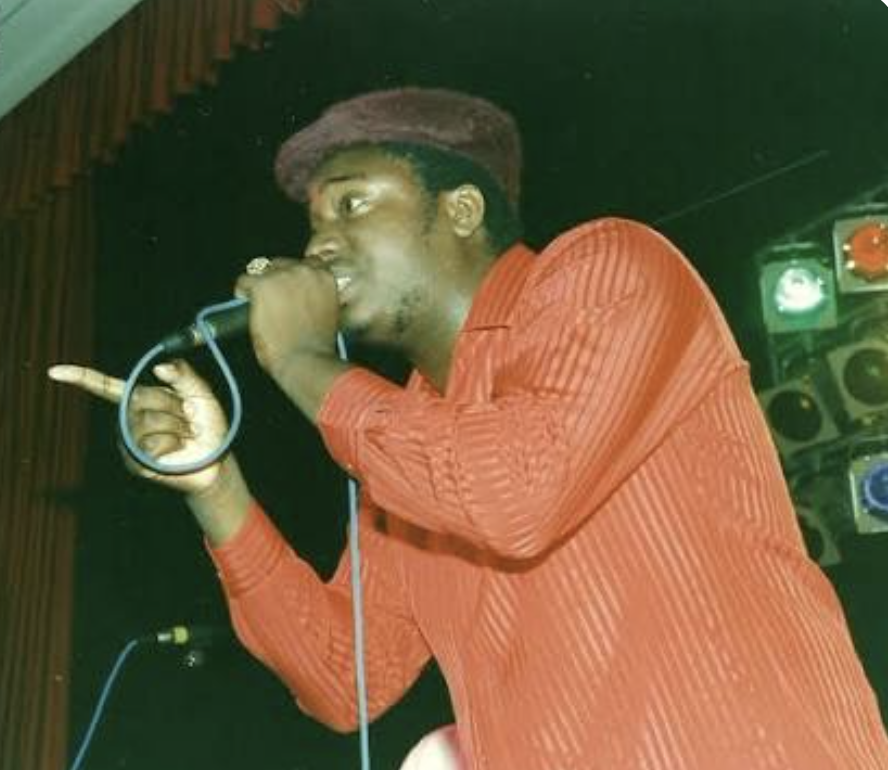
BIOGRAPHY
The Story
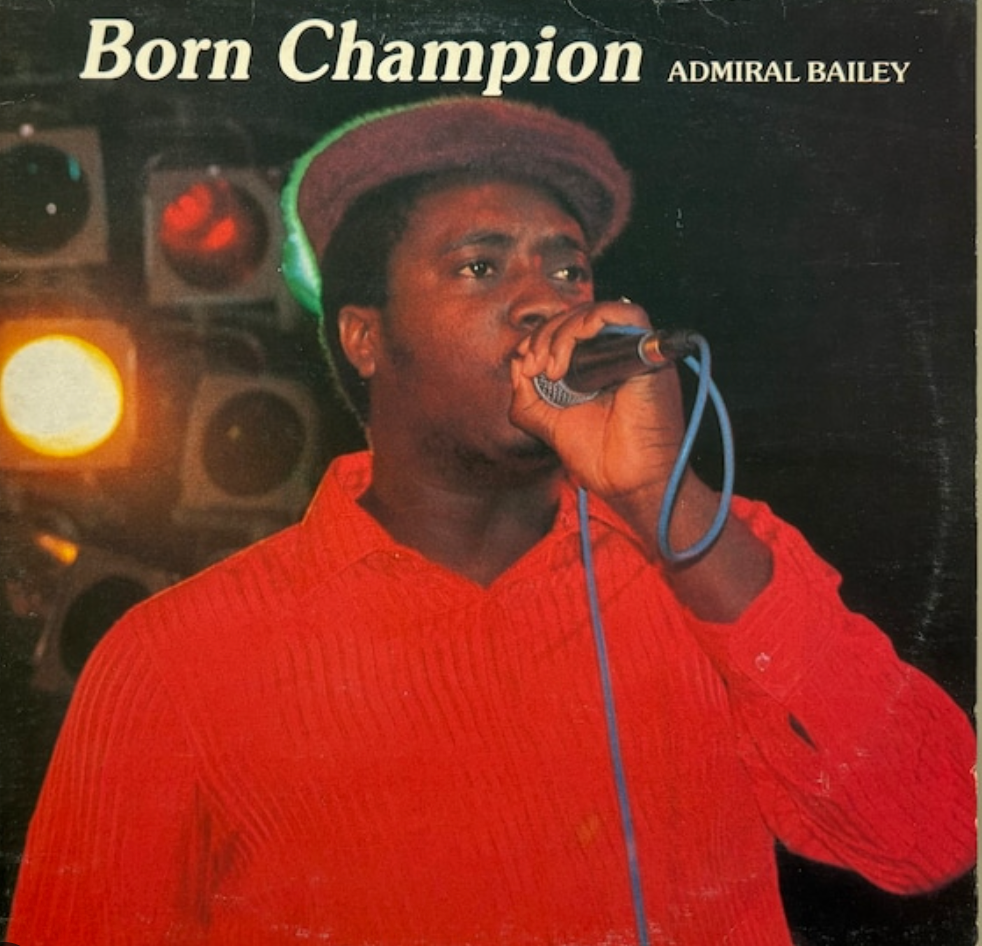
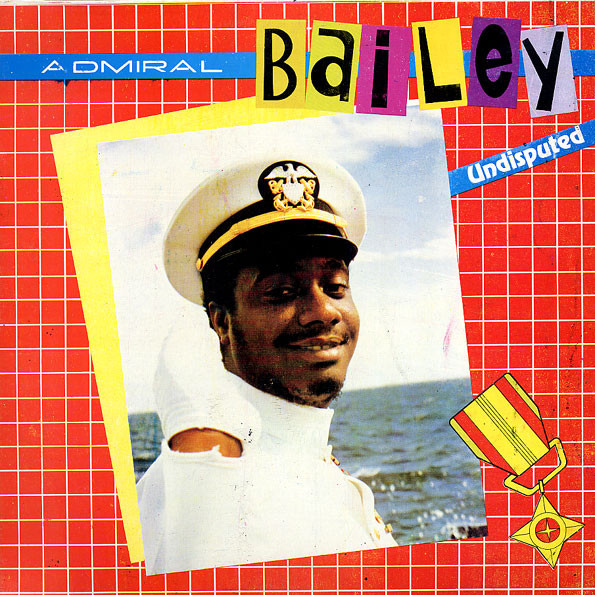
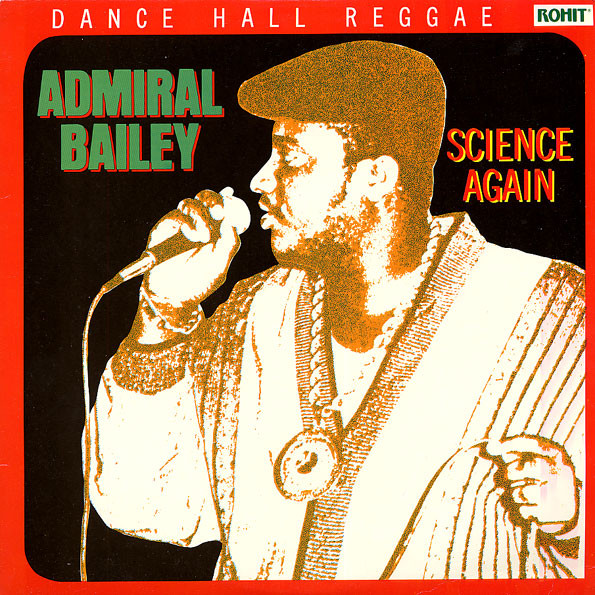
Admiral Bailey, born Glendon Bailey, grew up in Cockburn Gardens, Kingston. Published sources conflict on his exact birth date, so the Vault does not assign one until stronger primary documentation resolves it.
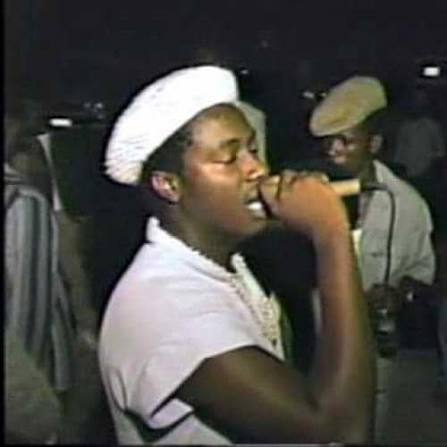
Ranking Joe and Josey Wales were important early influences. Bailey worked on U-Roy’s King Sturgav Hi-Fi before Josey Wales helped bring him into the King Jammy environment in 1986.
Jammys mattered to Bailey in more than one way. He developed as a live deejay on the sound system while also recording at King Jammy’s Waterhouse studio. Keeping those roles separate is essential: King Jammys could be a sound system, studio, producer and label operation without those credits meaning the same thing.
The Waterhouse studio was at the center of the digital dancehall revolution, with Steely & Clevie among the musicians constructing rhythms. Bailey quickly established himself through records including One Scotch, One Bourbon, One Beer with Chaka Demus, Politician, Chatty Chatty Mouth and Ballot Box with Josey Wales.
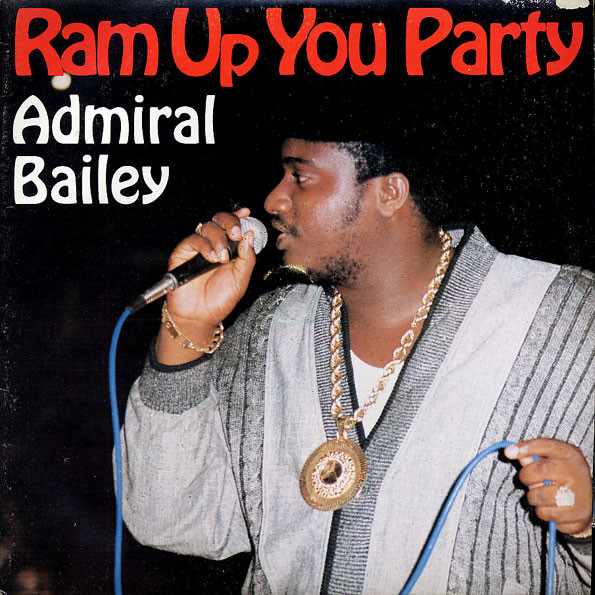
In 1987, Punaany became his signature recording. Its explicit lyric led to radio restrictions and a cleaner reworking, Healthy Body. The recording also became closely identified with the Punanny riddim, creating a direct bridge between Bailey’s artist history and the deeper riddim-family history preserved in Riddim Vault.
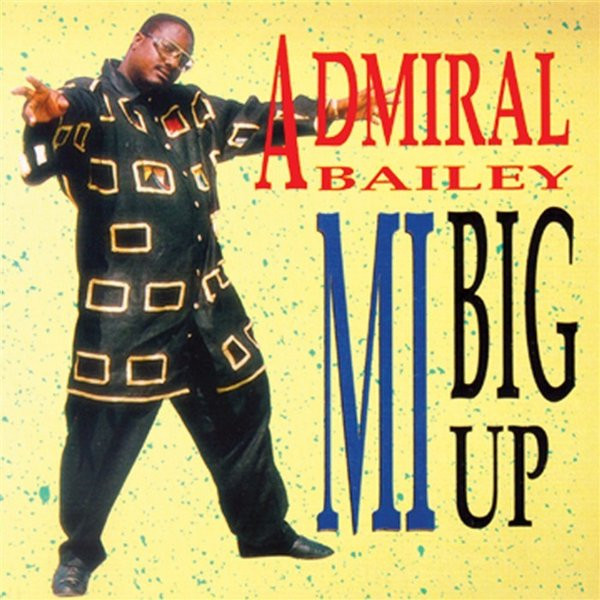
Bailey later recalled that Punaany, Jump Up and Big Belly Man were already working in dances before being committed to vinyl. That sequence captures the relationship between sound-system performance and Jamaican record production: the dance could function as the testing ground before a tune became a commercial release.
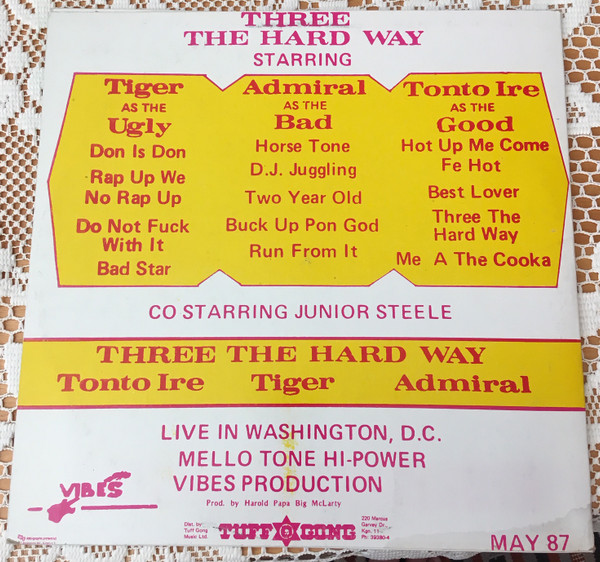
His late-1980s run continued with Big Belly Man, Jump Up, Top Celebrity Man, Cater For Woman, Horse Tonic, Think Me Did Done and other recordings. His debut album Kill Them With It appeared in 1987.
Bailey also recorded outside the Jammys camp, including work with George Phang’s Power House, Donovan Germain/Penthouse and Bobby Digital. He resumed work with King Jammy in 1993.
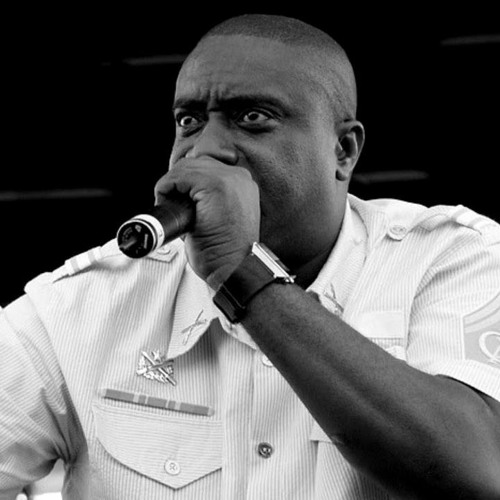
During the 1990s his public style increasingly moved away from the explicit slackness associated with Punaany. He also worked with Byron Lee on dancehall-soca material and continued performing long after his peak chart period.